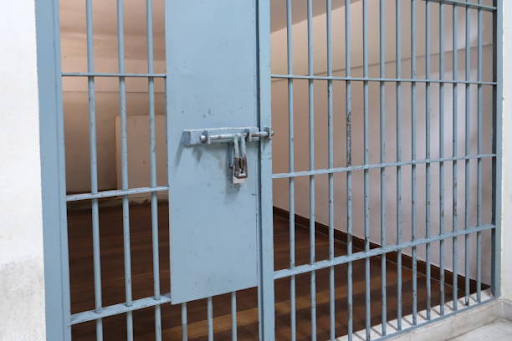
The United States legal system guarantees incarcerated individuals a fundamental right of access to the courts. This protection ensures that prison walls do not block the path to justice and constitutional review. Inmates must possess a functional method to challenge unlawful convictions and report institutional abuse. Without court access, all other constitutional protections inside a correctional facility become completely meaningless. Prisons bear an affirmative duty to assist residents in the preparation of official legal documents. This responsibility requires facilities to provide adequate research tools or direct help from individuals trained in law. This comprehensive guide outlines the legal frameworks, institutional duties, and practical strategies that secure court access behind bars.
Defining the Constitutional Right of Access to Courts
The right of access to the courts arises from multiple sections of the United States Constitution. Judges trace its origins to the First Amendment right to petition the government for redress. It also relies heavily on the Due Process and Equal Protection Clauses of the Fourteenth Amendment. The government cannot strip a citizen of this baseline protection simply because a court issues a criminal sentence. The state must provide indigent prisoners with the basic tools necessary to fashion a legal claim. This obligation prevents rich inmates from possessing an unfair monopoly over post conviction pathways. The table below outlines the core constitutional touchstones that establish access to civilian courts.
| Constitutional Origin Point | Direct Legal Application to Inmates | Primary Institutional Requirement |
| First Amendment | Protecting the right to file formal lawsuits | Forbidding staff from destroying active legal petitions |
| Fifth Amendment | Guaranteeing federal administrative fairness | Providing clear notice before stripping good time credits |
| Fourteenth Amendment | Enforcing state level equal protection | Supplying identical legal tools to male and female units |
| Fourteenth Amendment | Enforcing due process during cell confinements | Granting access to legal materials during lockdown blocks |
Analyzing Key Supreme Court Precedents on Prison Access
The modern structure of prison legal access stems from several landmark Supreme Court decisions. In the 1977 case Bounds v. Smith, the high court established an important affirmative obligation. The ruling forced state prison authorities to provide adequate law libraries or professional legal assistance. This decision transformed how correctional complexes manage inmate research rooms across the nation. However, the Supreme Court narrowed this standard in the 1996 case Lewis v. Casey. The justices ruled that inmates do not possess an abstract right to a perfect law library. Instead, an inmate must prove an actual injury to win a court access lawsuit. The table below displays the chronological evolution of Supreme Court cases governing inmate litigation.
| Landmark Judicial Case | Year of Decision | Primary Legal Holding Issued by Court |
| Johnson v. Avery | 1969 | Prisons cannot ban jailhouse lawyers unless they provide alternative help |
| Younger v. Gilmore | 1971 | States must stock prison libraries with comprehensive local law books |
| Bounds v. Smith | 1977 | Authorities must assist inmates by supplying libraries or trained counsel |
| Lewis v. Casey | 1996 | Inmates must show an ongoing legal claim suffered concrete harm to sue |

Understanding the Actual Injury Requirement for Legal Claims
Following the Lewis v. Casey decision, an inmate cannot sue a prison simply for lacking a specific law book. You must demonstrate that the missing material caused direct prejudice to an active legal proceeding. This actual injury standard serves as a high threshold for plaintiffs in federal civil rights actions. An inmate must show that a nonfrivolous legal attack faced dismissal due to the library's poor condition. For example, missing a strict filing deadline because staff refused to supply current court rules constitutes an injury. The list below highlights scenarios that satisfy the modern actual injury standing requirement:
- An appellate court dismisses a valid habeas corpus petition due to a missed technical rule.
- An inmate cannot draft an initial complaint because staff withhold all writing paper.
- A court rejects a civil rights case because the prison library lacks recent federal supplement books.
- An illiterate prisoner cannot fill out basic intake forms due to a total lack of peer assistance.
- A facility blocks an inmate from researching the local statute of limitations for personal injury claims.
Stocking and Maintaining an Adequate Prison Law Library
Correctional facilities satisfy their constitutional duties by maintaining a physical or digital law library room. These spaces must contain current state codes, federal statutes, court rules, and relevant judicial opinions. Most modern complexes utilize secure computer terminals running specialized legal databases like LexisNexis or Westlaw. The institution must grant residents a reasonable amount of physical time inside the facility library. Staff cannot limit library access to a few minutes per year and claim they satisfy the law. The list below outlines the mandatory resources a functional facility library must offer to the general population:
- Updated editions of the state criminal code and rules of appellate procedure.
- Functional computer terminals with active subscriptions to national legal search systems.
- General typing paper, carbon copy sheets, and black ink pens for document preparation.
- Official copies of standard state and federal habeas corpus intake forms.
- Basic legal dictionaries to help uneducated readers interpret complex courtroom vocabulary.
Navigating the Rules and Roles of Jailhouse Lawyers
A jailhouse lawyer is an incarcerated individual who teaches themselves law while serving a sentence. These self-taught researchers provide essential peer to peer counseling to other residents on the compound. They translate complex constitutional concepts into plain language for uneducated or illiterate peers. The Supreme Court protects the right of jailhouse lawyers to assist others if alternative help does not exist. However, prisons can enforce reasonable time and place restrictions on these legal activities. The list below details the lawful boundaries governing peer legal assistance inside housing blocks:
- Inmates can write briefs for others but they cannot charge financial fees for their work.
- Staff can forbid jailhouse lawyers from running formal businesses inside the prison.
- Inmates cannot possess the personal legal files of another resident during random room shakedowns.
- Facilities can designate specific library tables for peer to peer legal workshops.
- Officers can punish jailhouse lawyers who use legal work to extort items from weaker inmates.

Protecting the Absolute Confidentiality of Legal Mail
Legal mail includes all formal correspondence between an inmate and their licensed defense attorney, courts, or bar associations. The law grants this mail a high level of privacy protection to preserve attorney client privilege. Correctional staff face severe restrictions when handling these specific incoming and outgoing envelopes. Guards possess the right to inspect incoming legal mail to ensure the package does not contain physical contraband. However, this inspection must occur directly in front of the inmate inside the housing unit. Staff cannot read the actual written text inside the letters under any circumstances. The table below contrasts the handling rules for general mail versus confidential legal mail.
| Mail Handling Attribute | Standard General Inmate Mail Track | Protected Confidential Legal Mail Track |
| Reading Content | Staff routinely read text for safety concerns | Staff face absolute bans on reading written text |
| Physical Opening | Opened in the mailroom without the inmate | Opened only in the direct physical presence of the inmate |
| Contraband Check | Scanned and shaken thoroughly by mail clerks | Visually inspected quickly while the inmate watches closely |
| Digital Scanning | Often copied digitally and distributed on tablets | Original physical documents delivered directly to preserve privacy |
Securing Private Attorney Communication Channels
Maintaining an active defense requires continuous communication between an inmate and their legal team. Facilities must provide secure channels for confidential telephone calls and private in person visits. These interactions allow lawyers to gather facts and prepare strategies without government surveillance. Legal visits take place in dedicated rooms separated from the general contact visiting hall. Officers can watch the meeting through a window to ensure physical safety on the compound. However, they cannot utilize electronic audio equipment to listen to the private conversation. Prisons must arrange these attorney visits promptly when litigation deadlines loom.
Addressing Barriers Faced by Illiterate and Non English Speaking Inmates
Illiterate individuals and non English speakers face immense hurdles when attempting to access civilian courts. A standard law library computer remains entirely useless to a person who cannot read the screen. Prison systems must take affirmative steps to ensure these groups do not suffer exclusion from justice. Facilities often hire bilingual staff or train designated inmate assistants to serve as translators. They must also supply basic court forms printed in multiple languages, particularly Spanish. Failing to provide assistance to an illiterate inmate facing a deportation order violates federal equal protection mandates.
Managing Legal Access Inside Disciplinary Lockdown Units
When an inmate breaks an institutional rule, staff may place them in disciplinary segregation or lockdown units. These units strip residents of general privileges, including physical visits to the main law library. However, placement in isolation does not cancel an individual's constitutional right to access the courts. Prisons utilize a paging system to deliver legal materials to residents living inside isolation cells. The inmate writes down a list of specific cases or statutes on a request slip. A library clerk copies the requested pages and delivers them to the cell slot during shift changes. The list below outlines the operational rules for legal paging systems:
- Inmates must specify the exact case citations or book chapters they require.
- Staff must deliver the copied materials within a reasonable timeframe, usually forty eight hours.
- Inmates can retain legal documents inside their cells unless the papers pose a major fire hazard.
- Facilities must provide writing implements to lockdown residents facing active court dates.
- Systemic failures to deliver paged items can trigger a constitutional access lawsuit.
Navigating the Roadblocks of the Prison Litigation Reform Act
Congress passed the Prison Litigation Reform Act to reduce the volume of inmate lawsuits in federal courts. This statute places heavy procedural burdens on prisoners who challenge facility conditions. The most critical requirement involves the complete exhaustion of all available internal grievance steps. An inmate cannot bypass prison managers and run directly to a federal judge with a civil rights claim. You must file every internal form and complete every appeal level first. If you file a lawsuit before the central office issues a final denial, the judge will dismiss your case. The table below traces how the statute impacts the life of a civil rights claim.
| Legal Phase of Claim | Inmate Action Requirement | Statutory Impact under Federal Law |
| Internal Tracking | Filing local grievances and appeals | Failure to finish every step blocks court review permanently |
| Filing Fee Check | Submitting complete commissary statements | Indigent status allows gradual payments instead of full upfront fees |
| Judicial Screening | Court reads the complaint before service | Judges dismiss weak claims instantly before staff must answer |
| Injury Demonstration | Showing physical harm from the violation | Inmates cannot collect money for purely emotional distress claims |
Accessing Pro Bono legal Clinics and Advocacy Groups
Most prisoners cannot afford to retain private corporate law firms to handle long term civil rights litigation. Inmates rely heavily on pro bono legal clinics operated by law schools and non profit organizations. Groups like the Pennsylvania Institutional Law Project screen intake letters to find systemic cases. When an advocacy group accepts a case, they deploy substantial investigative assets to the target facility. They interview witnesses, secure medical experts, and force agencies to surrender hidden operational records. Inmates can find these resource groups through address lists posted inside the institutional library.

The Availability of Court Appointed Counsel in Civil Rights Cases
The US Constitution guarantees a free attorney to indigent defendants facing criminal trials or direct appeals. However, this absolute right to counsel does not automatically extend to civil lawsuits. When an inmate sues a prison over bad conditions, they file a civil action under Section 1983. A federal judge possesses the discretionary power to request an attorney to represent an indigent prisoner in a civil case. The judge evaluates the complexity of the legal issues and the inmate's ability to investigate facts. If the case holds exceptional merit, the court appoints a pro bono lawyer from a local bar panel.
Combating Guard Retaliation Against Jailhouse Lawyers and Litigants
Retaliation presents a constant threat to inmates who actively exercise their right to access the courts. Corrupt officers may use cell extractions, false tickets, or property destruction to intimidate jailhouse lawyers. Federal courts rule consistently that retaliating against an inmate for filing a lawsuit violates the First Amendment. If you experience retaliation, you must document the guard's behavior and comments with absolute precision. File an immediate emergency grievance detailing the connection between your lawsuit and the sudden harassment. Proving a retaliation claim requires showing that the officer's bad actions occurred shortly after you filed legal papers.
Utilizing the Help of Family Members in Legal Research
Family members living in the free world play a vital role in supporting an inmate's legal battles. Free citizens possess unrestricted access to the internet, law libraries, public records, and legal advocacy organizations. Relatives can conduct extensive research that remains impossible for an individual sitting inside a cell block. They can pull recent court opinions, print local rules, and ship legal educational books directly to the prison. Family members must ensure that all book shipments originate from approved publishers or online distributors like Amazon. Prisons routinely reject packages sent directly from private family residences to prevent contraband smuggling.
Embracing Modern Technology and Electronic Filing Systems
The integration of modern technology is slowly transforming legal access across state and federal prison networks. Many forward thinking facilities utilize secure electronic filing kiosks inside housing units or library complexes. These terminals allow inmates to submit complaints and motions directly to federal court dockets instantly. Electronic filing eliminates mail delays and prevents staff from losing or destroying physical legal envelopes. The systems provide automated digital receipts confirming that the clerk of court received the package safely. As technology advances, electronic portals will remain the primary tool for preserving court access behind bars.
The list below outlines the benefits of utilizing automated electronic court kiosks:
- Eliminating the financial cost of purchasing postage stamps for heavy legal briefs.
- Preventing rogue mailroom staff from opening or delaying sensitive court documents.
- Securing instant confirmation pages that prove an inmate met a strict filing deadline.
- Allowing courts to process prisoner claims faster through direct digital ingestion.
- Providing automated access to updated local court schedules and standard form templates.
Conclusion
The right of access to courts and legal representation serves as the ultimate shield for individuals living inside American prisons. While landmark Supreme Court rulings like Lewis v. Casey require inmates to show concrete injury to win access claims, the fundamental duty of the state remains clear. Correctional facilities must supply the libraries, technology, or personal assistance required to allow residents to draft meaningful legal documents. Jailhouse lawyers, private defense teams, and external family advocates must work together to navigate procedural hurdles like the Prison Litigation Reform Act. By maintaining confidential mail channels, private call networks, and updated electronic filing kiosks, the justice system ensures that institutional gates never lock out the rule of law.
Frequently Asked Questions About Legal Access
Can a prison completely ban an inmate from helping another inmate with a lawsuit?
A facility can ban peer legal assistance only if they provide a reasonable alternative method of help. If the prison hires professional paralegals or law clerks to assist illiterate residents, they can restrict jailhouse lawyers. If no alternative exists, a total ban on peer to peer assistance violates the Constitution.
What should I do if the prison mailroom returns my legal mail to my lawyer?
If the mailroom rejects an official legal package, your attorney should request a formal justification from the warden. File an internal grievance immediately to document that staff are interfering with your active court access. Keep the rejected envelope as physical evidence to display to the judge handling your case.
Do inmates have a right to a free lawyer for a divorce proceeding while in prison?
No, the state bears no constitutional obligation to provide a free court appointed attorney for private civil matters. This rule applies directly to divorces, child custody disputes, bankruptcy filings, and personal contract lawsuits. Inmates must handle these civil matters pro se or locate a free civil legal aid organization.
How many hours per week must a facility keep the law library open for residents?
The law does not mandate a specific number of weekly operating hours for an institutional library. Courts look at the totality of the circumstances to see if access remains meaningful and effective. A system that grants at least several hours of weekly research time generally satisfies constitutional baselines.
Can staff punish an inmate if they file a lawsuit that contains factual errors?
Prisons cannot punish an inmate simply for losing a lawsuit or making an honest mistake in a legal filing. However, if an inmate knowingly signs a document containing malicious lies or fraudulent statements, they can face disciplinary tickets. Always ensure your statements remain grounded in verifiable facts to protect yourself from discipline.
Can a prison charge an inmate money to photocopy an active court brief?
Yes, facilities can charge a reasonable fee per page to make photocopies of legal documents for residents. However, if an inmate is completely indigent and possesses zero funds in their trust account, the prison cannot refuse copies. The facility will create a negative balance on the account and collect the funds later.
Related Articles
More from the blog
Published articles selected by matching category, then the latest published.
 Legal Aid ResourcesWhen Should You Contact a Prisoner Rights Attorney?A comprehensive guide explaining when to contact a prisoner rights attorney. Learn about legal claims involving medical neglect, staff abuse, unsafe conditions, and constitutional rights violations.
 Legal Aid ResourcesNational Organizations That Provide Legal Assistance to Incarcerated IndividualsA comprehensive guide detailing leading national organizations that provide free legal assistance, civil rights advocacy, and exoneration services to incarcerated individuals.
 Legal Aid ResourcesHow to Find Free Legal Aid for Prisoners and Their FamiliesA comprehensive guide detailing how to find free legal aid for prisoners and their families. Discover non-profit organizations, law school clinics, pro bono panels, and civil rights groups.
Find forms, resources and support
Explore court-ready forms, the resource directory, or contact us for help with a similar issue.