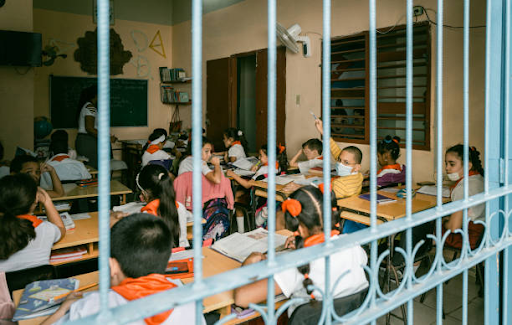
Education transforms human lives in profound ways. This truth becomes especially clear inside the walls of a correctional facility. Prisons traditionally focus heavily on punishment and isolation. Modern data shows that structured learning environments change this dynamic completely. Providing academic courses to incarcerated individuals yields massive benefits for society. It reduces repeat offenses drastically after release. It saves taxpayers significant amounts of money over time. Most importantly, it restores personal dignity to individuals who lost their way. This article explores the deep impact of prison education programs. We look at real transformations, program structures, and post-release success.
Defining the True Scope of Modern Prison Education
Prison education includes several distinct academic and vocational tracks. Facilities design these programs to meet diverse student needs. Some inmates enter prison without basic reading or writing skills. Others already hold high school diplomas and seek advanced degrees. Correctional education starts with basic adult literacy classes. Instructors help students master essential reading and math concepts. This foundational knowledge allows individuals to function better daily. They can read legal documents and write letters to their families independently.
The table below outlines the primary categories of educational programs found in modern prisons.
Program Category | Primary Focus Area | Targeted Student Demographic |
Adult Basic Education | Fundamental reading, writing, and basic math | Inmates reading below an eighth-grade level |
High School Equivalency | Preparation for GED or HiSET examinations | Inmates who did not complete traditional high school |
Career and Technical | Practical vocational skills and trade licenses | Inmates seeking immediate employment upon release |
Higher Education | College courses, associate degrees, and bachelor degrees | High school graduates meeting college entry rules |
Breaking the Destructive Cycle of Recidivism
Recidivism measures how many individuals return to prison after release. High recidivism rates signify a failing correctional system. Statistics prove that education is the most effective tool to lower these numbers.Incarcerated individuals who participate in education programs have a much lower chance of returning to prison. A famous study by the RAND Corporation confirmed this fact clearly. Educated inmates enjoy a 43 percent lower risk of reoffending. This drop creates safer neighborhoods for everyone across the nation. The math behind prison education makes total sense. Investing one dollar in prison education saves five dollars in future reincarceration costs. Teaching individuals how to live legally prevents future crimes effectively.

Revitalizing Inmates Through College Programs and Pell Grants
The return of federal Pell Grants revolutionized prison education recently. The United States government banned prison Pell Grants in 1994. This decision shut down hundreds of promising college programs overnight. Congress reversed this ban fully in recent years. Today, eligible incarcerated students can access federal financial aid to pay for college. Accredited universities send professors into facilities to teach real courses.
The list below highlights the profound benefits of higher education programs inside prisons:
- Students develop advanced critical thinking and complex problem-solving skills.
- The overall level of violence inside the housing units drops significantly.
- Inmates form intellectual communities focused on growth rather than criminal activities.
- Participants graduate with recognized degrees that carry weight in the job market.
- Children of educated inmates become much more likely to attend college themselves.
Mastermind Trades Through Career and Technical Education
Not every student wants to pursue a traditional college degree. Many individuals prefer to work with their hands. Career and technical education provides highly practical alternatives for these students. Prisons partner with local trade unions and technical schools. They build fully equipped workshops inside the facility walls. Inmates learn carpentry, plumbing, welding, and electrical wiring from experts. They work toward earning official industry certifications before their release date arrives.
The table below shows common vocational programs and their typical job entry fields.
| Trade Program | Core Skills Taught | Target Post-Release Industry |
| Precision Welding | MIG, TIG, and structural metal fabrication | Manufacturing, construction, and shipyards |
| Computer Coding | HTML, CSS, JavaScript, and database structures | Technology startups and freelance web design |
| Culinary Arts | Commercial kitchen safety, food prep, and management | Restaurants, catering companies, and hotels |
Restoring Personal Self Esteem Behind Prison Walls
Prison environments can crush a person's sense of self-worth daily. Inmates wear uniform clothing and receive identification numbers instead of names. This process causes deep psychological detachment over time.Entering a classroom changes the internal identity of an inmate instantly. They stop being just a number to the instructor. They become students with potential and a future. This shift in mindset sparks massive internal healing. Achieving academic success builds genuine confidence for the first time. Passing a tough math exam proves that the individual can handle hard tasks. This newfound self-esteem helps them resist negative peer pressure inside the prison yard.

Evaluating the Economic Impact of Educational Investments
Some critics argue that taxpayers should not fund prison education. They believe that criminals do not deserve free schooling opportunities. However, economic data completely disproves this short-sighted perspective. Prison education saves massive amounts of public funds annually. Operating prisons requires billions of dollars from state budgets. Lowering the inmate population through education reduces these operational costs directly.
The table below details the financial comparison between incarceration and education costs.
Financial Metric Type | Average Annual Cost Per Person | Long-Term Impact on Taxpayers |
Standard Incarceration | Forty-five thousand dollars | Continuous drain on public funds with zero return |
Vocational Training Program | Four thousand dollars | One-time investment that generates future tax revenue |
Higher Education Course | Six thousand dollars | Reduces future crime costs and builds community safety |
Improving Institutional Safety for Correctional Staff
Guards face constant danger while working inside correctional facilities. High tension and boredom often lead to unpredictable inmate violence. Educational programs serve as an excellent safety valve for institutions. Inmates who take classes busy themselves with homework and study groups. They have a constructive purpose that occupies their minds fully. They avoid participating in dangerous prison gangs or illegal hustle activities. Furthermore, inmates must maintain clean disciplinary records to attend classes. The fear of losing their student status keeps them on their best behavior. This cooperation makes the environment much safer for officers and staff members.
Cultivating Positive Role Models Within the Cell Blocks
Education creates a powerful ripple effect throughout the entire prison population. When an influential inmate goes to college, others notice his transformation. He inspires his peers to change their lives as well. Educated inmates often become formal tutors for their peers. They spend their recreation time helping other men learn to read. They turn chaotic cell blocks into quiet study halls.
The list below outlines how educated inmates alter the culture of housing units:
- They mediate conflicts between different factions peacefully using words.
- They organize positive recreational activities like chess tournaments and debates.
- They encourage younger inmates to stay away from the contraband drug market.
- They assist others with writing legal motions and personal family letters.
- They project a calm demeanor that reduces overall institutional anxiety.
Navigating the Challenges of Prison Technology Limits
Implementing modern education programs behind bars is not easy. Security concerns restrict internet access drastically inside prisons. Students cannot simply browse the web to research their essays. Facilities utilize specialized, secure intranets to solve this problem. Digital libraries pre-load thousands of academic journals and reference books onto local servers. Students use monitored laptops that block external communications completely. Instructors must adapt their teaching styles to these strict technical limits. They print out physical articles and bring text books into the prison classrooms. Despite these hurdles, students produce remarkably high-quality academic work.
Transitioning Academic Credits to Outside Universities
Securing a degree inside prison takes immense time and effort. Sometimes, an inmate finishes his sentence before completing his graduation requirements. Transferring those earned credits to an outside university becomes critical. Forward-thinking colleges build clear pathways for these transitional students. They ensure that prison course credits match traditional campus curriculum standards exactly. This alignment allows returning citizens to enroll in local colleges immediately upon release. Continuing education on the outside keeps individuals focused during reentry. It provides a familiar, positive environment during a chaotic life transition. Walking onto a real college campus replaces the stigma of prison with academic pride.
Overcoming Employer Stigma Through Academic Credentials
Finding a job with a felony record is incredibly difficult. Many employers discard applications the moment they see a criminal history check. Holding a degree or trade certificate changes this interaction. An academic credential proves that the individual worked hard to reform. It shows dedication, intelligence, and a long-term commitment to self-improvement. Employers view educated applicants far more favorably than unskilled applicants.
The list below details how education helps applicants beat the employment stigma:
- Professional diplomas give hiring managers a concrete reason to say yes.
- Technical certifications verify that the applicant possesses immediate working skills.
- College professors provide strong professional reference letters for their top students.
- Education explains the resume gap caused by the years spent in prison.
- Graduates demonstrate advanced communication skills during intense job interviews.

Rebuilding Broken Family Bonds Through Shared Success
Incarceration separates parents from their children for long periods. This separation causes deep emotional trauma and builds resentment over time. Graduation ceremonies provide a unique space for family healing. Prisons host special graduation events inside their visiting rooms. Families receive invitations to watch their loved ones walk across the stage. Children see their parents wearing caps and gowns instead of prison jumpsuits. This experience alters how children view their incarcerated parents completely. It sets a powerful example regarding the value of education. Parents can now participate actively in their children's homework discussions over the phone.
Expanding Creative Arts and Humanities Programs Inside
True education involves more than just job training and technical skills. The humanities teach individuals how to process complex human emotions safely. Literature, philosophy, and creative writing programs flourish inside many facilities. Writing essays allows inmates to explore their past mistakes honestly. They analyze historical events and learn empathy by reading diverse novels. They discover how to express their internal pain without resorting to violence.
The list below highlights the outcomes of humanities programs in correctional settings:
- Inmates develop a deep appreciation for diverse cultures and human histories.
- Creative writing classes produce powerful poetry anthologies and personal memoirs.
- Philosophy discussions teach individuals how to disagree with others respectfully.
- Art programs allow students to paint murals that beautify depressing facility walls.
- Drama clubs stage classic plays that bring the prison community together positively.
Securing Long Term Community Support for Reentry Students
The ultimate goal of prison education is successful community reintegration. Returning citizens need ongoing support to maintain their academic momentum. Non-profit organizations fill this gap by creating dedicated reentry student networks. These organizations provide housing assistance, transport tokens, and peer mentoring. They match newly released students with older alumni who understand the transition. This network prevents the isolation that often leads to relapse.
The table below outlines the core support systems for reentering students.
| Support Category | Specific Service Provided | Ultimate Goal of Service |
| Academic Advising | Maps out remaining degree requirements | Ensures rapid graduation from outside colleges |
| Material Assistance | Provides laptops, textbooks, and school supplies | Removes financial barriers to academic success |
| Peer Mentorship | Pairs students with successful formerly incarcerated graduates | Builds a strong sense of community belonging |
Conclusion
Education inside correctional facilities serves as a powerful catalyst for human redemption. It successfully dismantles the harmful cycles of crime, poverty, and recidivism that plague our society. By providing access to basic literacy, vocational trades, and college courses, prisons become true centers of rehabilitation. The data proves that educated individuals return to their communities as productive, law-abiding citizens. They secure stable jobs, rebuild their broken families, and contribute positively to the economy. Investing in prison learning programs creates a safer, more just world for everyone. Education remains the ultimate key that unlocks human potential, even behind cold iron bars.
Frequently Asked Questions About Prison Education
Do inmates have to pay for their prison college courses?
No. Inmates do not pay out of pocket for accredited college courses today. Federal Pell Grants cover the tuition costs for eligible incarcerated students completely. Private foundations and university partnerships fund additional programs to ensure broad access for residents.
Can sex offenders or violent criminals participate in these programs?
Rules vary by state and individual facility policies. Some states restrict higher education access for individuals serving life sentences without parole. However, basic literacy and GED courses remain open to almost all inmates regardless of their crime category.
How do prisons verify that inmates are not cheating on exams?
Correctional officers and civilian instructors monitor all examination spaces strictly. Students take tests under direct supervision inside designated prison classrooms. Digital testing platforms utilize secure lockdown browsers that prevent any unauthorized access or communication.
Do prison degrees look different from regular university degrees?
No. Universities issue standard diplomas to graduates of prison programs. The document bears the official name of the college or university. It does not mention the correctional facility or indicate that the student completed the work while incarcerated.
What happens to a student's education if they get transferred to another prison?
Transfers can disrupt academic progress significantly. If the new facility lacks a partnership with the same university, the student must pause their studies. Reentry organizations work hard to advocate for academic continuity during administrative transfers.
Related Articles
More from the blog
Published articles selected by matching category, then the latest published.
 Parole & ReentryCommon Reentry Challenges and Where to Find HelpA comprehensive guide detailing common reentry challenges for returning citizens. Learn where to find housing, second-chance jobs, healthcare, legal assistance, and government benefits.
 Parole & ReentryHousing, Employment, and Healthcare Resources After ReleaseA complete guide to housing, employment, and healthcare resources for returning citizens. Learn how to secure transitional shelter, second-chance jobs, Medicaid coverage, and record clearance.
 Parole & ReentryPreparing for Parole: A Complete Resource GuideA comprehensive resource guide on preparing for a parole hearing. Learn how to build a strong record, write letters, structure a reentry plan, and impress board members.
Find forms, resources and support
Explore court-ready forms, the resource directory, or contact us for help with a similar issue.