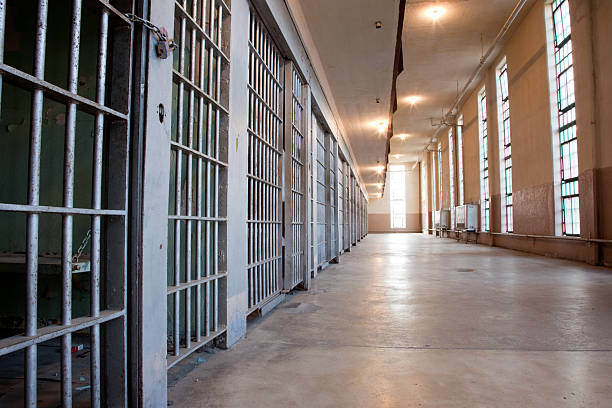
When a loved one enters a facility operated by the Federal Bureau of Prisons (BOP), families immediately worry about living conditions, medical treatment, personal safety, and daily treatment behind bars. Federal prisons are designed to be restrictive, regimented environments and the U.S. Supreme Court has long held that harsh or uncomfortable conditions alone do not automatically violate the law. However, correctional authority is never absolute. The U.S. Constitution, federal statutes, and Bureau of Prisons policy statements establish clear legal boundaries that protect every incarcerated person from inhumane treatment, deliberate medical neglect, and preventable violence.
Understanding the exact legal standard separating lawful institutional hardship from unconstitutional prison conditions empowers inmates and their families to recognize genuine violations, document evidence accurately, and demand accountability through official channels. This guide explains the constitutional protections governing federal prison conditions, how courts evaluate complaints, real-world legal precedents, and practical steps families and inmates can take when facility conditions fall below legal standards.
Disclaimer: The information provided in this article is for general educational purposes only and does not constitute formal legal or medical advice. Constitutional standards, statutory remedies, and BOP operational policies vary by security level and circuit. Always consult qualified legal counsel or healthcare professionals regarding specific legal claims or urgent medical conditions.
The Eighth Amendment Standard: Harsh vs. Unconstitutional Conditions
The primary constitutional shield governing living conditions in federal prisons is the Eighth Amendment, which prohibits the infliction of "cruel and unusual punishments". (For individuals held in federal detention centers awaiting trial who have not yet been convicted, protections are even stronger under the Fifth Amendment Due Process Clause, which prohibits any conditions that amount to punishment prior to adjudication of guilt).
In Rhodes v. Chapman (1981), the Supreme Court explained that while prison conditions may be "restrictive and even harsh," they cannot involve the "wanton and unnecessary infliction of pain" or deprive incarcerated people of the "minimal civilized measure of life's necessities". To prove that a condition of confinement violates the Eighth Amendment, an inmate must satisfy a strict two-part legal test established in Farmer v. Brennan (1994):
- 1. The Objective Prong (Sufficiently Serious Deprivation): The living condition or deprivation must be objectively extreme such as denying basic food, potable water, warmth, sanitation, medical care, or protection from severe violence posing a substantial risk of serious harm.
- 2. The Subjective Prong (Deliberate Indifference): The prison official must have known of and disregarded an excessive risk to inmate health or safety. Mere negligence, an honest mistake, or temporary facility maintenance delays generally do not meet the constitutional threshold of "deliberate indifference."
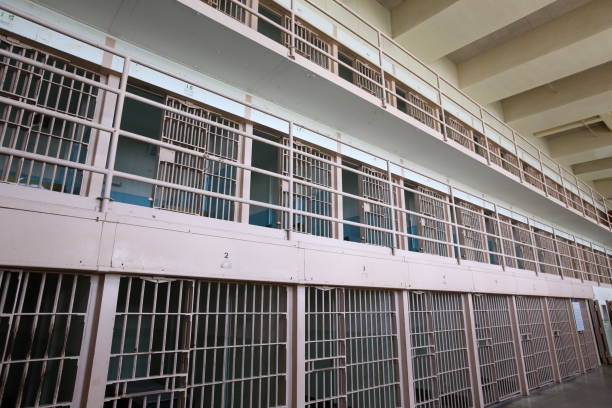
Core Living Conditions Protected Under Federal Law
Beyond the constitutional floor, Congress mandates under 18 U.S.C. § 4042(a) that the Bureau of Prisons provide "suitable quarters and provide for the safekeeping, care, and subsistence of all persons charged with or convicted of offenses against the United States." Together, the Eighth Amendment and federal statutes protect five essential pillars of daily confinement:
Adequate Food, Potable Water, and Nutrition
Federal facilities must provide nutritionally adequate meals prepared and served under sanitary conditions, as well as continuous access to safe drinking water. Serving spoiled food, withholding meals as prolonged punishment, or denying medically prescribed or sincere religious diets violates both BOP Food Service standards and constitutional guarantees.
Sanitation, Ventilation, and Extreme Temperatures
Incarcerated people cannot be forced to live in cells flooded with raw sewage, infested with disease-carrying vermin, or lacking basic hygiene supplies such as soap, toilet paper, and clean bedding. Furthermore, prolonged exposure to extreme cold without adequate heat or blankets—or extreme heat without proper ventilation or hydration—violates the Eighth Amendment when officials ignore the known health hazards.
Medical, Dental, and Mental Health Care
Under Estelle v. Gamble (1976), prison officials violate the Eighth Amendment when they act with deliberate indifference to an inmate's serious medical needs. This applies equally to acute injuries, chronic illnesses (such as diabetes, heart disease, or HIV), necessary dental care, and severe psychiatric conditions. While inmates do not have a constitutional right to choose their own doctor or demand a specific brand-name medication, staff cannot ignore diagnosed conditions, delay urgent treatment, or interfere with prescribed care.
Protection From Violence and Sexual Abuse
Correctional officials carry an affirmative constitutional duty under Farmer v. Brennan to protect incarcerated individuals from violence at the hands of other inmates, as well as excessive force by staff. Additionally, the federal Prison Rape Elimination Act (PREA) establishes zero-tolerance standards, mandatory reporting channels, and strict protective protocols against sexual assault and harassment across all federal facilities.
Safe Use of Solitary Confinement (SHU)
Placement in a Special Housing Unit (SHU) for administrative detention or disciplinary segregation is not automatically unconstitutional. However, prolonged isolation under extreme sensory deprivation, unsanitary conditions, or placement of individuals with severe mental illness into solitary confinement without clinical monitoring can cross the line into cruel and unusual punishment.
Comparing Lawful Hardship and Constitutional Violations
Because prison life involves significant loss of comfort, families and inmates often struggle to determine whether a frustrating situation is simply a tough reality of incarceration or an actionable legal violation. The table below illustrates how federal courts distinguish between lawful institutional restrictions and unconstitutional conditions.
Condition Area | Lawful Institutional Restriction (Not Unconstitutional) | Potential Constitutional Violation (Actionable) |
Housing & Space | Double-bunking two inmates in a single cell designed for one, provided basic sanitation and safety remain intact (Rhodes v. Chapman). | Severe overcrowding that causes rampant violence, collapse of sanitation systems, or denial of basic sleeping surfaces. |
Food & Diet | Unappetizing, repetitive institutional menus or strict limits on commissary food spending. | Serving contaminated/spoiled food, starving inmates, or denying certified medical or religious diets. |
Medical Treatment | Disagreement between an inmate and a BOP doctor over which pain reliever or treatment plan is best. | Ignoring documented chest pain, refusing insulin to a diabetic inmate, or delaying emergency surgery for months. |
Cell Sanitation | Temporary plumbing outages repaired promptly while staff provide bottled water and alternative restrooms. | Leaving an inmate for days in a cell covered in human feces without cleaning supplies, water, or functioning toilets (Taylor v. Riojas). |
Temperature & Climate | Drafty housing units during winter where extra blankets and thermal clothing are issued. | Sub-freezing cell temperatures with broken heating, no blankets, and staff ignoring inmates suffering hypothermia. |
Real-World Legal Milestone: How Taylor v. Riojas Reinforced Basic Human Dignity
Federal courts occasionally confront prison conditions so extreme that they shock the conscience and reaffirm the unbreakable boundaries of the Eighth Amendment. In Taylor v. Riojas (2020), the U.S. Supreme Court reviewed the case of Trent Taylor, an incarcerated man who was confined for six days in two shockingly unsanitary cells.
In the first cell, nearly the entire floor, walls, and window were covered in human feces, forcing Taylor to go without food and water for four days because he feared contamination. Officials then moved him to a second frigidly cold cell equipped only with a clogged floor drain overflowing with raw sewage, forcing him to sleep naked on the sewage-covered floor after his bladder overflowed. Lower courts initially granted the correctional officers qualified immunity, claiming no prior case had identical facts.
In a decisive ruling, the U.S. Supreme Court reversed the lower court, holding that no reasonable correctional officer could have concluded that holding an inmate in such filth was constitutionally permissible. The Court emphasized that when living conditions offend the most basic standards of human decency, officials cannot hide behind technicalities. The practical takeaway for inmates and families is clear: extreme deprivations of sanitation, warmth, water, or medical care are strictly unlawful and detailed, contemporaneous documentation is the key to proving them.
Step-by-Step Guide: Documenting and Reporting Unconstitutional Conditions
When a federal prisoner experiences dangerous living conditions or medical neglect, taking immediate, structured action protects both their physical health and their legal rights. Under the Prison Litigation Reform Act (PLRA), an inmate must complete every step of the Bureau of Prisons' formal grievance system before a federal court can consider a conditions-of-confinement lawsuit.
Follow these five sequential steps to build a verified record:
- Step 1: Request Immediate Operational or Medical Resolution: Submit a written Inmate Request to Staff ("Cop-Out") or electronic TRULINCS message to the Unit Manager, Facilities Department, or Health Services describing the specific hazard or medical symptom objectively.
- Step 2: Keep a Daily Factual Log: Write down the exact date, time, cell/unit number, specific condition (e.g., "toilet backed up with raw sewage for 72 hours" or "cell temperature below 45°F"), names and badge numbers of every staff member notified, and names of inmate witnesses.
- Step 3: Initiate the BOP Administrative Remedy Process (Form BP-8 & BP-9): If staff do not fix the issue immediately, submit an informal resolution request (BP-8). If unresolved, file a formal BP-9 Request for Administrative Remedy with the Warden within 20 calendar days of the incident.
- Step 4: File Timely Regional and Central Office Appeals (BP-10 & BP-11): If the Warden denies the BP-9 or fails to remedy the hazard, file a BP-10 appeal with the BOP Regional Director within 20 calendar days, followed by a final BP-11 appeal with the BOP Office of General Counsel in Washington, D.C., within 30 calendar days.
- Step 5: Use Emergency / Sensitive Channels for Imminent Danger: If waiting through standard institutional channels places the inmate in immediate physical danger (such as ongoing staff retaliation or imminent assault), file a "Sensitive" BP-10 directly with the Regional Director under 28 C.F.R. § 542.14(d)(1), or report sexual abuse immediately through the facility's confidential PREA hotline.
How Families Can Advocate Effectively Without Harming Their Loved One
When a loved one reports unsafe prison conditions, families naturally feel urgent distress. However, calling the prison switchboard in anger or threatening staff members often backfires, leading to dropped calls or defensive pushback. Calm, factual, documented advocacy produces far stronger results.
The table below outlines high-impact actions families can take alongside the official channels to contact.
Escalation Channel | When to Use It | How to Communicate Effectively |
Institution Unit Manager or Warden's Office | Unresolved cell hazards, heating/cooling failures, or dietary/religious accommodation delays. | Call or write concisely; provide your loved one's full name, BOP Register Number, housing unit, and specific factual dates. |
Health Services Administrator (HSA) | Delayed prescriptions, untreated chronic illness, or urgent specialist referrals. | Submit a written summary of symptoms and missed treatments; ask for confirmation that the clinical chart has been reviewed. |
BOP Regional Office | Facility staff fail to respond to urgent safety hazards or ignore ongoing medical emergencies. | Reference prior dates you contacted the institution and attach copies of letters or TRULINCS messages sent by your loved one. |
DOJ Office of the Inspector General (OIG) | Serious staff misconduct, excessive force, cover-ups, or systemic health and safety violations. | File a formal online or written complaint with the Department of Justice OIG providing dates, witness names, and exact facts. |
U.S. Senators and Representatives | Persistent administrative stonewalling on medical care, transfers, or inhumane conditions. | Sign a Congressional Privacy Release Form so the legislator's caseworker can formally inquire with the BOP on your loved one's behalf. |
Practical Family Checklist
- Preserve All Written Evidence: Save every TRULINCS email, letter, and mailed grievance copy in a dated folder so records cannot be lost during cell searches or transfers.
- Encourage Peaceful Compliance: Remind your loved one never to refuse housing or disobey direct safety orders even when protesting bad conditions as disciplinary infractions complicate advocacy and reduce privileges.
- Use Specialized Support Tools: Download structured incident logs and reporting templates from our [Public Complaints Hub], connect with verified legal clinics in our [Legal Aid Resources] directory, or explore family communication and care support tools in our [Community Marketplace].
Conclusion
Federal incarceration strips away liberty, but it never strips away human dignity or the fundamental protections of the U.S. Constitution. While federal courts grant prison administrators broad discretion to manage daily security, the Eighth Amendment and federal statutes draw a firm line against deliberate medical neglect, preventable violence, and inhumane living conditions. By understanding where that constitutional line sits, keeping meticulous factual records, following the BOP Administrative Remedy Program, and engaging family support channels constructively, incarcerated individuals and their loved ones can hold institutions accountable and safeguard health and safety behind bars.
Frequently Asked Questions
Does the Eighth Amendment guarantee comfortable living conditions in federal prison?
No. The Eighth Amendment prohibits cruel and unusual punishment—such as severe filth, starvation, extreme temperature exposure, or deliberate medical neglect—but does not guarantee comfort, privacy, or modern amenities.
Is placing two inmates in a one-person cell unconstitutional?
Generally, no. In Rhodes v. Chapman, the U.S. Supreme Court ruled that "double-celling" alone does not violate the Eighth Amendment unless it leads to extreme deprivations of food, medical care, sanitation, or personal safety.
What does "deliberate indifference" mean in a prison medical or safety claim?
Deliberate indifference means a prison official actually knew about a substantial risk of serious harm to an inmate's health or safety and consciously disregarded that risk by failing to take reasonable action.
Can an inmate be punished for refusing to enter a cell that is unsanitary or unsafe?
Refusing a direct order to enter an assigned cell almost always results in a disciplinary incident report and placement in the Special Housing Unit (SHU). Inmates should comply safely unless facing immediate life-threatening danger, then immediately document the condition and file a BP-8/BP-9 grievance.
How can family members report an urgent medical emergency inside a federal prison?
Families should immediately call the facility's main line, ask to speak with the Shift Lieutenant or Health Services Administrator, provide the inmate's full name and BOP Register Number, and follow up with a written email or fax to create a paper trail.
What laws protect federal prisoners from sexual assault or harassment?
Both the Eighth Amendment and the federal Prison Rape Elimination Act (PREA) protect all incarcerated individuals from sexual abuse and harassment by staff or other inmates, providing confidential third-party reporting options for families.
Are pretrial detainees in federal detention centers protected by the Eighth Amendment?
Technically, pretrial detainees who have not been convicted are protected by the Fifth Amendment's Due Process Clause rather than the Eighth Amendment. Courts apply an objective standard prohibiting any condition that amounts to punishment before conviction.
Can an inmate sue the Bureau of Prisons immediately over terrible prison conditions?
No. Under the Prison Litigation Reform Act (PLRA), an inmate must first complete all four steps of the BOP Administrative Remedy Program (BP-8, BP-9, BP-10, and BP-11) before filing a lawsuit in federal court.
What if a federal prison lacks air conditioning or adequate heating?
Extreme temperatures violate the Eighth Amendment when cells reach dangerously hot or freezing levels for prolonged periods and staff fail to provide basic mitigation such as functioning HVAC, fans, ice water, warm clothing, or extra blankets.
How can a U.S. Senator or Representative help with federal prison conditions?
Members of Congress cannot overturn court sentences, but their constituent services offices can submit official Congressional Inquiries to the Bureau of Prisons, requiring the Warden or Regional Director to investigate and provide a written status report on medical care or living conditions.
Legal information
Related Articles
More from the blog
Published articles selected by matching category, then the latest published.
 Federal RightsAccess Federal Courts from Prison: Steps for Understanding Legal Filing ProceduresA practical, step-by-step guide to accessing federal courts from prison, covering habeas corpus vs. civil rights filings, PLRA exhaustion, filing fees, and the Prison Mailbox Rule.
 Federal RightsFederal Prisoner Rights Explained: A Practical Guide to Protections and ResponsibilitiesA plain-language guide to federal prisoner rights and responsibilities, covering constitutional protections, BOP statutes, landmark court rulings, and the four-step grievance process.
 Federal RightsHow Federal Prisoners Can Access Legal Assistance and Advocacy OrganizationsA comprehensive guide explaining how federal prisoners can access legal assistance, electronic law libraries, attorney calls, non-profit advocacy groups, and law school clinics.
Find forms, resources and support
Explore court-ready forms, the resource directory, or contact us for help with a similar issue.