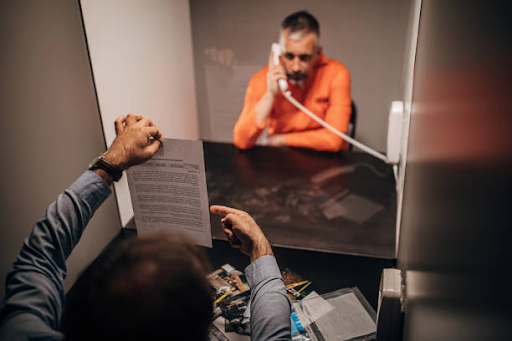
Incarcerated individuals frequently face difficult conditions inside American correctional facilities. These issues can range from broken plumbing to severe medical neglect by staff members. The law provides clear paths for prisoners and their families to report these issues formally. Filing a complaint ensures that administrative leaders know about dangerous situations on the compound. The United States legal system protects an inmate's right to petition the government for help. This guide explains how to navigate the complex grievance process step by step. It details the rules, forms, timelines, and legal hurdles you must manage to secure relief.
Understanding the Purpose of the Prison Grievance System
Every correctional facility maintains an internal system for handling inmate complaints. This process allows administrators to identify and resolve issues before they escalate into major problems. Inmates can use this system to report broken facility infrastructure or abusive behavior by guards. Filing a grievance creates an official paper trail of the hazardous condition. This documentation is vital if the issue requires future intervention from federal courts. The table below lists common issues that warrant an official prison grievance.
Category of Complaint | Specific Facility Issue | Expected Institutional Response |
| Living Conditions | Broken heaters during cold winter months | Immediate repair of the heating system |
| Medical Care | Failure to distribute required prescription heart pills | Prompt medical evaluation and medication delivery |
| Staff Misconduct | Physical assault or verbal threats by a guard | Internal investigation and staff reassignment |
| Dietary Needs | Serving spoiled meat or contaminated drinking water | Provision of fresh, nutritionally safe meals |
Navigating the Prison Litigation Reform Act Hurdle
The Prison Litigation Reform Act is a federal law passed by Congress. This statute places massive procedural hurdles in front of prisoners who want to sue a facility. The most important rule involves the complete exhaustion of administrative remedies. An inmate cannot run straight to a judge when an issue occurs on a cell block. The individual must use every step of the prison's internal complaint system first. If you miss a single internal deadline, the court will dismiss your lawsuit automatically.
Obtaining the Correct Institutional Grievance Forms
To start a complaint, an inmate must secure the official paperwork from staff. Different prison systems use unique names and numbers for these specific documents. In state systems, these are often called Inmate Grievance Forms or Resolution Requests. In federal prisons, inmates must request a specific sequence of forms starting with an informal complaint. Counselors or housing unit officers usually distribute these documents upon request during regular shift hours. Inmates should always ask for multiple copies to keep a personal record of their filings.

Filing the Initial Informal Complaint Step
The federal prison system and many state facilities require an informal resolution step first. In the federal network, this process utilizes a form known as the BP 8 form. The inmate writes a short description of the problem and hands it to their direct counselor. The counselor then attempts to speak with the involved staff to fix the issue quickly. This step avoids formal paperwork if the prison can resolve the matter within a few days. The list below outlines the best practices for filling out an informal complaint form:
- State the exact date, time, and location where the incident occurred.
- Use clear, legible handwriting so the reader understands your words.
- List the full names or physical descriptions of all involved staff members.
- Request a specific, realistic remedy to fix the problem permanently.
- Avoid using emotional language, insults, or threats against the institution.
Escalating the Issue to a Formal Administrative Remedy
If the informal step fails, the inmate must escalate the complaint formally. In federal prisons, this step requires the filing of a BP 9 form. The inmate must submit this document directly to the warden of the facility. State systems utilize a similar formal form directed to the head institutional supervisor. This document requires a more detailed explanation of the ongoing constitutional or policy violation. The warden then assigns an internal investigator to look into the facts of the case. The table below outlines the standard timeline and tracking process for formal administrative remedies.
Step Name | Form Code | Recipient of Complaint | Average Response Window |
| Informal Try | BP 8 | Housing Unit Counselor | Five to ten working days |
| Formal Level 1 | BP 9 | Facility Warden | Twenty calendar days |
| Regional Appeal | BP 10 | Regional Program Director | Thirty calendar days |
| Central Appeal | BP 11 | General Counsel Office | Forty calendar days |
Drafting an Effective and Factual Complaint Statement
The way an inmate writes a grievance determines its ultimate success or failure. Vague complaints that complain generally about the prison will face immediate rejection. Writers must focus purely on verifiable facts rather than personal opinions or anger. Stick to a single topic per form to prevent confusion among administrative readers. If you have a medical issue and a property issue, file two separate forms. Keep your sentences short, direct, and focused on the core policy violation.

Adhering to Strict Institutional Filing Deadlines
Prison systems enforce incredibly tight deadlines for submitting initial grievance paperwork. Some state institutions require inmates to file forms within three days of an incident. The federal system generally allows twenty days from the date of the event to file a formal BP 9. If an inmate files late, the coordinator will reject the claim without reading it. This rejection permanently blocks your ability to bring the matter before a federal judge later. Always verify the exact timeline printed in your facility's inmate handbook.
Collecting Supporting Evidence Inside the Cell Block
A strong grievance relies on solid evidence to back up the inmate's claims. While collecting evidence is difficult behind bars, prisoners have several legal options. You can ask fellow prisoners who saw the event to write signed witness statements. Inmates can also request copies of their own medical charts after a physical injury occurs. The list below highlights the types of evidence that strengthen an institutional complaint:
- Declarations written and signed under penalty of perjury by eye witnesses.
- Receipts showing the purchase of broken commissary items or boots.
- Official copies of sick call slips showing repeated requests for a doctor.
- Chronological logs tracking the exact hours a cell lacked running water.
- Photographs of physical injuries taken by medical staff during a triage check.
Managing Retaliation Concerns from Correctional Staff
Many inmates fear filing complaints because they worry about immediate retaliation from guards. Retaliation can include random cell shakedowns, stolen property, or sudden transfers to harsher housing units. However, federal law protects prisoners from retaliation for using the grievance system. If a guard threatens you after you file a form, document that threat immediately. File a separate emergency grievance detailing the exact words the officer used. You can also report the behavior to external oversight organizations to secure protective custody.
Appealing a Denied Grievance to the Regional Director
Wardens frequently deny inmate grievances to protect their staff and minimize institutional liability. A denial does not mean the complaint process is over for the prisoner. The inmate has the immediate right to appeal the decision to a higher authority. In the federal system, this step involves filing a BP 10 form with the Regional Director. The inmate must attach copies of the original BP 9 form and the warden's written denial. You cannot raise new issues during the appeal step that were not in the initial filing.
Submitting the Final Appeal to the Central Office
The final step in the internal prison grievance ladder involves the highest agency executives. In federal prisons, this requires submitting a BP 11 form to the National Out-of-District General Counsel. State systems use a similar board of appeals located in the state capital city. Receiving a response or a denial from this central office completes the internal exhaustion process. Once you possess this final signature, you have officially satisfied the requirements of the Prison Litigation Reform Act. You are now legally free to seek help from outside lawyers and courts.

Involving Family Members and External Advocates
Inmates do not have to fight difficult prison conditions completely on their own. Family members living in the free world can provide immense assistance during a crisis. Relatives can contact state governors, state legislators, and prison oversight boards directly. They can also launch public awareness campaigns to highlight severe abuse or medical neglect inside a specific facility. The list below explains how family members can advocate for an incarcerated loved one effectively:
- Call the warden's office daily to request wellness checks on the inmate.
- Submit formal open records requests to obtain facility maintenance logs.
- Email local investigative journalists to report ongoing health hazards.
- Ship relevant legal research books directly to the facility's law library.
- File external complaints with the state inspector general's office.
Utilizing the Help of the American Civil Liberties Union
The American Civil Liberties Union operates specialized National Prison Projects across the country. This organization tracks systemic violations of constitutional rights inside American jails and penitentiaries. Inmates can write letters to local ACLU offices to report widespread issues like extreme heat or lack of medical care. While the ACLU cannot represent every individual inmate, they launch massive class-action lawsuits against broken facilities. Letters sent to the ACLU are generally protected by attorney-client privilege rules. Mark the envelope clearly as legal correspondence to prevent guards from reading your messages.
Filing a Report with the Office of the Inspector General
The Office of the Inspector General operates as an independent watchdog agency for government departments. This office investigates corruption, fraud, waste, and severe civil rights abuses inside federal institutions. Inmates and their families can submit tips directly to the inspector general without going through prison managers. The inspector general possesses the power to conduct unannounced surprise inspections of cell blocks and kitchens. They interview staff under oath and review hidden video footage to uncover systemic guard brutality. The table below compares the internal grievance track with an inspector general investigation.
Feature of Investigation | Standard Internal Grievance Track | Inspector General Investigation Track |
| Primary Overseer | Facility Warden and Local Guards | Independent Federal or State Investigators |
| Main Goal | Solving a localized individual problem | Uncovering systemic corruption and fraud |
| Legal Outcome | Modification of an inmate's personal restriction | Criminal prosecution or firing of corrupt staff |
| Length of Process | Fast resolution within thirty to ninety days | Long-term deep dives lasting several months |
Transitioning from Grievances to a Federal Civil Rights Lawsuit
Once an inmate exhausts all internal remedies, they can transition their fight to the civilian court system. This process requires filing a civil rights lawsuit under Title 42, Section 1983 of the United States Code. Federal prisons face similar lawsuits under a legal framework known as a Bivens action. The lawsuit must name the specific individuals who violated your constitutional rights through deliberate indifference. The plaintiff must present all the copies of the denied grievances to prove they followed every rule. A successful lawsuit can result in court orders forcing the prison to change its unsafe operational practices permanently.
Conclusion
Filing complaints about poor prison conditions requires intense patience, attention to detail, and a deep understanding of administrative law. While the process features many complex procedural traps designed to protect institutions, inmates can succeed by remaining factual and meeting every strict deadline. By systematically working your way through informal tries, formal warden reviews, regional appeals, and central office final steps, you build an ironclad legal record that no court can ignore. These complaints protect individual health and hold powerful agencies accountable for their constitutional duties behind bars.
Frequently Asked Questions About Prison Complaints
What happens if prison staff refuse to give me the required grievance forms?
If an officer refuses to provide a form, write your complaint on a standard piece of paper. State clearly at the top that staff withheld the official document. Hand this paper to a different shift supervisor or mail it directly to the regional office. Courts view the administrative process as unavailable if staff actively block access to paperwork.
Can an inmate file an emergency grievance for life-threatening issues?
Yes, every correctional system maintains an expedited track for emergency complaints. Inmates use this option for immediate physical safety threats, ongoing sexual assault, or acute medical emergencies. Emergency forms bypass the informal steps and go straight to the warden for a rapid decision within forty-eight hours.
Do family members have the right to file an internal grievance for an inmate?
No, family members cannot fill out or sign internal prison grievance forms for an incarcerated person. The inmate must sign the paperwork personally unless they are physically or mentally incapacitated. However, family members can file external complaints with the Department of Justice or the state's governor.
Will my grievance remain completely confidential from the guards I am reporting?
No, the institutional grievance office must send the paperwork to the involved supervisors to collect their statements. The guards named in your complaint will eventually learn about the allegations against them. This is why documenting dates and monitoring staff behavior for signs of illegal retaliation remains absolutely critical.
What should I do if the prison completely ignores my form and never responds?
If the facility blows past its legal response deadline, the law treats that silence as a formal denial. The inmate can immediately move to the next appeal step on the ladder. Do not wait indefinitely for a missing response, or you might miss your window to file an appeal.
Is there a fee required to file an internal prison complaint?
No, institutions cannot charge inmates any money to process internal grievances or appeals. Lawsuits in federal court do require filing fees, but prisoners can request to pay those costs gradually through their commissary accounts. The internal system remains entirely free to ensure all residents can report unsafe conditions.
Related Articles
More from the blog
Published articles selected by matching category, then the latest published.
 Grievance & ComplaintsCommon Mistakes That Can Weaken a Prison GrievanceA comprehensive guide highlighting common mistakes that weaken prison grievances. Learn how to avoid filing delays, technical rejections, emotional language, and procedural errors.
 Grievance & ComplaintsWhat to Do If Your Prison Grievance Is DeniedA comprehensive guide explaining what to do when a prison grievance gets denied. Learn how to review denial notices, meet strict appellate deadlines, gather supporting evidence, and exhaust administrative remedies successfully.
 Grievance & ComplaintsHow to File a Prison Grievance SuccessfullyA comprehensive guide explaining how to write, submit, and appeal prison grievances successfully. Learn essential rules for factual writing, meeting tight deadlines, avoiding rejections, and satisfying legal exhaustion requirements.
Find forms, resources and support
Explore court-ready forms, the resource directory, or contact us for help with a similar issue.