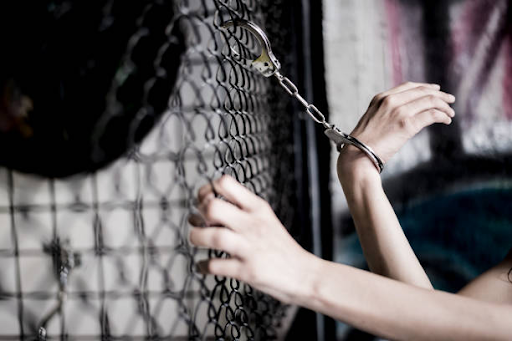
The United States correctional network holds over one million individuals across local, state, and federal facilities. Managing these secure environments requires a strict adherence to national safety standards and human rights principles. Protecting incarcerated individuals from physical violence, sexual abuse, and staff misconduct remains a core constitutional obligation today. When a court deprives a citizen of their liberty, the state assumes total responsibility for their physical protection. Prisons must implement robust operational systems to prevent exploitation and manage internal security threats effectively. This comprehensive guide outlines the regulatory frameworks, institutional mechanisms, and direct strategies designed to ensure safety behind bars.
Defining the Legal Right to Institutional Safety
The United States Constitution protects all incarcerated individuals from cruel and unusual punishment. The Eighth Amendment serves as the foundational legal pillar for safety inside correctional facilities. Prisons cannot legally ignore known threats of violence or permit a culture of unchecked inmate victimization. The landmark Supreme Court case Farmer v. Brennan established the modern legal threshold for protection from abuse. The court ruled that prison officials violate the law if they show deliberate indifference to inmate-on-inmate violence. The table below traces the key legislative acts and judicial decisions that define carceral safety rights.
| Historical Legal Milestone | Year of Enactment | Core Safety Mandate Established |
| Eighth Amendment Ratification | 1791 | Prohibits the infliction of cruel and unusual punishments |
| Farmer v. Brennan Ruling | 1994 | Establishes official liability for deliberate indifference to safety |
| Prison Rape Elimination Act | 2003 | Mandates zero tolerance for sexual abuse inside all facilities |
| Civil Rights of Institutionalized Persons Act | 1980 | Authorizes federal investigations into systemic prison abuses |
Implementing the Prison Rape Elimination Act Standards
The Prison Rape Elimination Act completely transformed the management of safety inside American confinement facilities. The law establishes a comprehensive set of national standards to prevent, detect, and respond to sexual abuse. Every facility must undergo rigorous independent audits every three years to maintain compliance. Institutions must provide multiple secure reporting channels for inmates to report instances of sexual harassment or assault. Staff must investigate every allegation thoroughly while protecting the victim from potential retaliation by peers or guards. The list below highlights the mandatory operational requirements under current national prevention standards:
- Universal screening of all new arrivals to identify potential predators and vulnerable victims.
- Provision of anonymous telephone hotlines that connect inmates directly to outside advocacy groups.
- Implementation of unannounced supervisory rounds by high-ranking officers inside housing blocks.
- Mandatory background checks to prevent the hiring of staff with histories of sexual misconduct.
- Posting of clear, multilingual educational signs detailing inmate reporting rights in all dayrooms.

Navigating the Initial Classification and Intake Process
The safety track begins the moment a newly sentenced individual enters a jail reception center. Intake counselors conduct an intensive initial classification interview within the first forty-eight hours of arrival. This process evaluates the individual's criminal history, gang affiliations, and physical vulnerabilities. Proper classification prevents the dangerous mixing of non-violent offenders with high-security predatory individuals. The facility assigns housing units based on these objective safety scores rather than administrative convenience. The table below outlines the primary security levels used to segregate inmate populations safely.
Confinement Security Tier | Criteria for Housing Placement | Core Safety and Supervision Rule |
| Minimum Security Status | Non-violent histories and short remaining sentences | Open dormitory living with low direct guard supervision |
| Medium Security Status | Moderate felony records and clean institutional behavior | Double cell blocks with strict movement control protocols |
| Maximum Security Status | Violent crime records or active gang leadership traits | High-containment cells with armed guard oversight lines |
| Administrative Segregation | Severe disciplinary infractions or active safety risks | Single cell isolation for twenty-three hours every day |
Utilizing Modern Video Surveillance to Prevent Misconduct
Comprehensive video surveillance serves as a primary tool for eliminating blind spots inside prison compounds. Modern facilities install high-definition camera networks covering all hallways, dining rooms, and recreation yards. Continuous recording creates an objective electronic record that deters both inmate violence and staff misconduct. Security teams monitor these live video feeds from centralized control rooms around the clock. Investigators utilize archived video files to resolve conflicting accounts of physical altercations or alleged staff assaults. The list below details how facilities optimize camera networks to maintain high institutional safety standards:
- Placement of wide-angle camera units inside all communal dayrooms and long corridor zones.
- Use of infrared night-vision technology to monitor low-light housing tracks during lockup.
- Restricting camera feed access to prevent tampering or unauthorized deletion of file records.
- Integration of motion-detection alerts to flag unauthorized inmate movement in off-limits areas.
- Regular maintenance audits to replace broken or obscured camera lenses within twenty-four hours.
Managing the Prevention of Staff-on-Inmate Abuse
Abuse of power by correctional professionals represents a severe threat to institutional safety and order. Staff misconduct can range from verbal harassment and food deprivation to physical assaults and sexual exploitation. Agencies must foster a professional culture that holds rogue officers accountable for breaking their oaths. Internal affairs units must investigate all allegations of excessive force or extortion with absolute independence. Facilities must protect whistleblowers who expose illegal activities conducted by fellow staff members. The table below traces the common behavioral indicators of potential staff misconduct or boundary violations.
Staff Behavioral Flag | Manifested Workplace Action | Primary Institutional Risk Factor |
| Excessive Use of Force | Frequent use of chemical spray during minor verbal disputes | Escalation of housing unit tension and inmate injury |
| Boundary Distortions | Providing unauthorized snacks or favors to specific inmates | Creation of dangerous extortion networks and compromise |
| Retaliatory Writing | Filing false disciplinary reports after an inmate lodges a grievance | Systematic stripping of earned good-time release credits |
| Defiance of Rules | Turning off body-worn cameras before entering isolated cells | Complete destruction of administrative accountability lines |
Enforcing Safe Housing Conditions for Vulnerable Populations
Certain categories of incarcerated individuals face an exceptionally high risk of victimization inside general population yards. Lesbian, gay, bisexual, transgender, and intersex individuals experience disproportionate rates of sexual abuse behind bars. Youthful offenders tried as adults and individuals with severe developmental disabilities also require heightened protection. Prisons must offer specialized housing assignments, known as protective custody, to shield these vulnerable groups from harm. Staff cannot use solitary confinement as a permanent substitute for proper protective custody arrangements. The list below details the targeted safety interventions utilized to protect high-risk inmate populations:
- Separate residential wings featuring dedicated recreation yards away from general population zones.
- Case management teams that review the safety status of vulnerable residents every thirty days.
- Specialized training for staff regarding the unique safety risks faced by transgender individuals.
- Immediate emergency cell moves when an inmate expresses a credible fear of their cellmate.
- Access to educational and vocational programs inside the secure protective perimeter.

Structuring Effective Emergency Response Teams
When a serious riot or mass altercation erupts, facilities deploy specialized tactical units to restore order safely. These teams, often called Special Operations Response Teams, undergo intensive training in non-lethal crowd control methods. They utilize defensive shields, batons, and chemical agents to defuse volatile situations without resorting to lethal firearms. The primary objective involves neutralizing the immediate security threat while minimizing physical injuries to all parties involved. Administrators must audit every tactical deployment to ensure staff followed official use-of-force guidelines strictly. The list below outlines the operational steps taken during a standard prison emergency response action:
- Immediate activation of the facility-wide alarm system to freeze all inmate movement patterns.
- Central control isolates the affected housing block by dropping all automated security doors.
- The tactical commander issues clear verbal warnings to disperse via the public address network.
- Teams enter the zone using a coordinated shield line to separate fighting factions safely.
- Medical staff establish an immediate triage station outside the gate to treat injuries.
Combating Contraband Weapons and Extortion Networks
The manufacturing of homemade weapons, commonly known as shanks, poses a continuous threat to the lives of staff and residents. Inmates craft these sharp instruments from pieces of fencing, light fixtures, or cell ventilation grates. Gangs utilize these weapons to enforce extortion rings and control illegal black-market economies on the yard. Security divisions combat this threat by conducting regular, unannounced physical searches of all cells and common areas. Staff utilize sensitive handheld metal detectors and specialized canine units to locate hidden contraband caches. Dismantling these extortion networks removes the primary financial incentive for inter-group violence.
Regulating Use of Force Guidelines and Accountability
Correctional agencies must maintain a strict, clearly defined use-of-force continuum to guide officer actions during disputes. Officers must always attempt to defuse volatile situations through verbal de-escalation techniques before resorting to physical restraint. Physical force remains authorized solely to prevent self-harm, escape, property destruction, or assaults on others. Every instance of physical force requires the immediate compilation of detailed incident reports and medical evaluations. Supervisors must review all video recordings to verify that the amount of force applied matches the level of resistance encountered. Holding staff accountable for excessive force prevents the development of a lawless, abusive institutional environment.
Safeguarding Inmate Grievance and Reporting Systems
An accessible, functional grievance system is vital for maintaining peace and exposing hidden abuses inside prison walls. Inmates must possess the ability to file formal complaints regarding poor conditions, medical neglect, or staff misconduct without fear of reprisal. Administrative remedy codes outline strict timelines for managers to investigate and answer these complaints. When staff tamper with grievance mailboxes or threaten inmates who file forms, they destroy institutional accountability. Independent ombudsman offices should handle appeals to ensure an unbiased review of the facility's actions. The list below outlines the necessary legal protections for a functional prison grievance pathway:
- Availability of pre-printed grievance forms inside all residential housing units without guard approval.
- Secure, locked grievance collection boxes that can only be opened by administrative clerks.
- Protection against disciplinary actions for inmates who file honest, fact-based complaints.
- Strict tracking logs that assign a unique reference number to every submitted form.
- Clear judicial pathways to file federal lawsuits if the agency fails to resolve systemic abuses.
Protecting the Rights of Inmates During Disciplinary Hearings
When staff accuse an inmate of breaking institutional rules, the resident faces internal disciplinary court proceedings. These hearings can result in serious penalties, including placement in punitive segregation or the loss of earned release credits. To prevent arbitrary abuse, the facility must grant the accused individual basic due process protections. An independent hearing officer must preside over the case rather than the guard who wrote the initial ticket. Inmates possess the right to review the evidence against them and present witness statements in their defense. Maintaining a fair disciplinary system prevents guards from using minor rules as tools of personal harassment.
Mitigating Environmental Hazards and Ensuring Sanitation
Physical safety encompasses more than just freedom from physical violence or assault. Prisons must maintain clean, humane environmental conditions to prevent the spread of debilitating diseases and avoid structural accidents. Housing units require proper ventilation, reliable heating and cooling machinery, and clean, potable drinking water lines. Severe overcrowding often strains plumbing systems, leading to dangerous sewage backups and toxic mold growth inside cells. Facilities must submit to regular inspections by public health departments and fire marshals to verify compliance with sanitation laws. Ignoring these basic environmental standards constitutes a form of systemic, passive abuse that destroys human health.

Addressing the Unique Safety Needs of Incarcerated Women
Women inside correctional institutions face distinct safety challenges that require specialized operational protections. The vast majority of incarcerated women possess extensive histories of domestic violence, sexual assault, and childhood trauma. Correctional agencies must implement trauma-informed management strategies to avoid re-traumatizing this vulnerable segment. Male correctional officers should face strict operational limits regarding the supervision of female housing units. Many states now legally prohibit cross-gender strip searches except during extreme, documented facility emergencies. Providing access to gender-specific medical care and mental health counseling supports an environment free from exploitation.
Utilizing Public Records to Expose Systemic Prison Misconduct
Citizen advocacy groups and journalists use public records laws to monitor safety conditions inside state and federal prisons. Filing formal requests for use-of-force logs, assault statistics, and PREA audit reports exposes hidden institutional failures. Public transparency forces agencies to correct dangerous patterns of neglect that they might otherwise ignore. When an agency refuses to release these critical safety records, they invite public suspicion and expensive legal battles. Independent oversight remains the most effective tool for driving long-term structural reforms within the criminal justice system. Informed public scrutiny ensures that prisons operate as safe, constitutional institutions rather than lawless storage zones.
Ensuring Safe and Structured Reentry Planning Blocks
The final phase of institutional safety involves preparing residents to transition back into public life without falling victim to crime or recidivism. The days immediately following release carry immense vulnerabilities, especially for individuals lacking family support networks. Reentry teams must coordinate safe housing placements and secure transportation options before the release date arrives. Connecting individuals with stable transitional housing prevents the immediate homelessness that often drives people back toward survival crimes. Staff assist residents with obtaining official identification cards and linking with community support networks. A structured, safe release plan preserves public safety and ensures the individual can build a life free from exploitation.
Conclusion
Upholding rigorous safety standards and ensuring absolute protection from abuse inside prisons is a critical mandate of constitutional law and human decency. The execution of the Eighth Amendment requires a continuous, proactive effort to eliminate inmate victimization, staff misconduct, and hazardous living conditions. From the initial intake classification screening to the deployment of modern video surveillance networks, facilities must utilize every tool to preserve order safely. The Prison Rape Elimination Act provides an essential regulatory framework for dismantling toxic carceral cultures, yet achieving true compliance demands constant public transparency and independent auditing.
Officers must operate under strict use-of-force continuums that prioritize verbal de-escalation over physical violence, ensuring that authority never degrades into personal tyranny. As vulnerable populations and incarcerated women require specialized, trauma-informed housing blocks, administrators must reject the lazy over-reliance on solitary confinement blocks. By protecting the absolute integrity of inmate grievance pathways and embracing thorough public records audits, we hold public agencies accountable to the law. Ultimately, ensuring safety behind bars reduces institutional trauma, protects the broader community, and fulfills our collective obligation to operate a just, humane society.
Frequently Asked Questions About Prison Safety
What should a family member do if an inmate reports an immediate threat to their life?
If a loved one reports a credible threat of violence, you must act as an immediate external advocate. Call the prison's main administration line instantly and ask to speak with the shift commander or the internal affairs investigator. Demand that the facility place the inmate into emergency administrative segregation or a protective custody unit to guarantee their physical safety while they investigate the threat.
How does the Prison Rape Elimination Act protect inmates from abusive staff members?
The Prison Rape Elimination Act establishes a strict zero-tolerance standard for all staff-on-inmate sexual contact. Under the law, an incarcerated individual cannot legally consent to any sexual activity with a correctional employee due to the inherent power imbalance. The law mandates that any staff member who engages in sexual misconduct must be terminated and prosecuted criminally.
Can an inmate refuse a housing assignment if they feel the cellmate is dangerous?
Yes, an inmate can inform the unit housing officer that they refuse to enter a cell due to a specific safety conflict. While refusing an assignment can sometimes trigger a minor disciplinary report for disobeying a direct order, it forces staff to log the safety concern. The classification team must then review the situation to determine if a permanent separation order is necessary.
What is the difference between administrative segregation and protective custody?
Administrative segregation is a punitive or restrictive housing status used to isolate inmates who pose a severe threat to institutional security. Protective custody is a non-punitive housing tier designed specifically to protect vulnerable inmates from victimization by others. Protective custody units should offer regular access to phones, recreation, and educational programs, unlike standard solitary confinement blocks.
How can citizens verify if a local jail complies with national safety standards?
Citizens can review the official compliance status of a facility by requesting copies of federal inspection reports and independent audit certificates. You can file a formal request under state public records laws to obtain annual assault statistics, grievance logs, and use-of-force summaries. Many non-profit civil rights organizations publish detailed report cards tracking jail safety records over time.
Are prisons legally required to provide fire drills and safety exits for inmates?
Yes, all correctional facilities must comply with local and national life-safety codes, including fire prevention standards. Buildings must feature functional smoke detectors, automatic sprinkler networks, and clearly marked emergency evacuation routes. Staff receive extensive training on how to unlock housing zones quickly during a fire emergency to prevent mass casualties while maintaining outer perimeter security.
Related Articles
More from the blog
Published articles selected by matching category, then the latest published.
 Federal RightsHow Federal Prisoners Can Access Legal Assistance and Advocacy OrganizationsA comprehensive guide explaining how federal prisoners can access legal assistance, electronic law libraries, attorney calls, non-profit advocacy groups, and law school clinics.
 Federal RightsFederal Bureau of Prisons Administrative Remedy Program ExplainedA comprehensive guide explaining the Federal Bureau of Prisons Administrative Remedy Program. Learn how to navigate BP-8, BP-9, BP-10, and BP-11 filings, meet strict deadlines, and satisfy PLRA exhaustion requirements.
 Federal RightsUnderstanding the Rights of Federal PrisonersA comprehensive 2026 guide detailing the legal rights of federal prisoners in the United States. Learn about Eighth Amendment standards, First Amendment religious freedom, healthcare access, due process rights, and the Administrative Remedy Program.
Find forms, resources and support
Explore court-ready forms, the resource directory, or contact us for help with a similar issue.