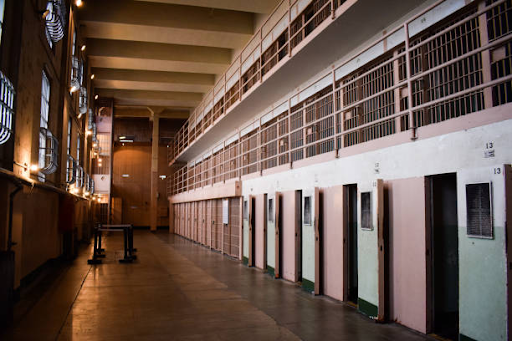
Navigating the California correctional network requires an accurate understanding of administrative laws and structural protocols. The California Department of Corrections and Rehabilitation oversees state confinement spaces. This vast agency manages roughly ninety thousand incarcerated individuals across thirty-one state prisons. Every person placed under state custody retains specific, enforceable civil protections. These institutional guardrails ensure basic human safety, physical health, and legal access. This operational guide outlines the complex framework of inmate rights under California law. It provides clear, actionable resources for families, legal advocates, and individuals currently in confinement. Understanding these statutory protections helps maintain personal dignity behind walls. It also provides the precise tools necessary to address systemic staff misconduct or unsafe facility conditions.
The Legal Foundations of Inmate Civil Rights in California
The United States Constitution protects all citizens, including individuals convicted of criminal violations. Incarceration legally restricts physical liberty but preserves foundational constitutional protections. The First, Eighth, and Fourteenth Amendments establish the essential baseline for all conditions of confinement. State administrators cannot strip away these protections arbitrarily or use them as rewards. California supplements these federal civil protections through explicit state legislative mandates. The California Penal Code defines the legal boundaries of state correctional authority. Courts consistently rule that prisons must provide safe environments that respect basic human needs. Any administrative restriction on an inmate's constitutional liberties must relate directly to a legitimate penological goal.
Navigating the Structural Mandates of California Code of Regulations Title 15
The primary document governing daily life inside California state prisons is Title 15 of the California Code of Regulations. Division 3 of this comprehensive text outlines the exact operational rules for adult institutions, programs, and parole services. Every institution must maintain updated copies of Title 15 within its physical law library spaces. Residents possess an absolute legal right to read these regulatory codes without facing staff interference. The regulations establish explicit minimum standards for food portions, clothing exchanges, bedding cleanliness, and recreational yard access. Correctional officers must follow these codified rules precisely during their daily shifts. When an officer violates a specific section of Title 15, the affected resident can file a formal grievance. The list below highlights the core regulatory areas governed by Title 15 rules:
- The exact procedural steps required to document and conduct official cell searches.
- The mandatory minimum quantities of clean personal hygiene products distributed to residents weekly.
- The formal disciplinary processes that staff must execute before stripping an inmate of privileges.
- The precise management protocols for tracking and securing personal property items.
- The operational rules that define the boundaries of mail inspection and legal visits.
Understanding the CDCR Security Level Classification Matrix
The California Department of Corrections and Rehabilitation places every incoming resident into a specific security level during the reception process. Staff utilize a complex actuarial point system to determine an individual's institutional custody score. This evaluation reviews the severity of the commitment offense, past escape histories, and prior institutional behavior records. A resident's custody score directly determines their physical housing assignment and access to rehabilitative programming. The classification system utilizes four distinct numeric tiers to organize prison yards. The table below breaks down the structural differences between these four primary security designations used across California facilities.
| Security Classification Level | Primary Housing Design Layout | Active Perimeter Security Infrastructure |
| Level I: Minimum Security | Open facility dormitories without internal fences | Single non-lethal perimeter fence structures |
| Level II: Medium Security | Open dormitories or open cell blocks | Secure perimeter fences with armed watchtowers |
| Level III: High Medium Security | Secure two-person cells with internal movement controls | Lethal electrified perimeter fence networks |
| Level IV: Maximum Security | High-security cell blocks with intense surveillance | Armed perimeter towers paired with lethal fencing |

Protecting the Absolute Right to Safe and Sanitary Housing Conditions
The Eighth Amendment explicitly prohibits the infliction of cruel and unusual punishment within American prisons. Under this constitutional doctrine, California must provide housing units that protect residents from environmental hazards. Cells must maintain functional ventilation systems, adequate lighting, and reliable winter heating. The state department of corrections must keep all living units clean and free from dangerous mold infestations or pest vectors. Inmates possess a legal right to receive operational plumbing fixtures, including running sink water and flushing toilets. The list below details the basic physical housing provisions that every California facility must maintain for its populations:
- A dedicated, clean mattress that meets state fire safety and sanitation standards.
- Two clean sheets, one pillowcase, and blankets appropriate for local seasonal weather shifts.
- Weekly access to industrial laundry services to sanitize personal clothing and bedding items.
- Daily access to functional shower stalls featuring temperature-controlled running water.
- Regular distributions of non-toxic cell cleaning chemicals and functional scrub brushes.
Enforcing Strict Nutritional Standards and Specialized Dietary Accommodations
California state prisons must serve meals that satisfy the basic caloric and nutritional needs of an adult body. The Food Services Division inside each facility must follow strict state menu plans developed by registered dietitians. Food preparation spaces must pass frequent sanitation inspections to prevent widespread outbreaks of foodborne illness.
| Specialized Menu Track | Primary Nutritional Protocol | Target Resident Population Group |
| Medical Therapeutic Diet | Controlled sodium levels, low fat, or modified sugars | Residents managing heart disease, hypertension, or diabetes |
| Religious Diet Program | Certified Kosher or Halal packaged food items | Jewish, Muslim, or other qualifying faith practitioners |
| Vegetarian Option Menu | Complete elimination of animal flesh products | Residents requesting plant-based proteins for ethical reasons |
The law requires institutions to provide specialized dietary plans to accommodate documented religious beliefs or verified medical conditions. Residents must submit formal administrative requests to activate these custom meal plans. The table below contrasts the primary specialized dietary options managed by the department of corrections.
Accessing Quality Medical Care Under the Federal Plata Mandate
A landmark federal class-action lawsuit completely transformed the delivery of healthcare inside California state prisons. The case, known as Plata v. Newsom, resulted in a federal court establishing an independent medical receivership over the department of corrections. This judicial order strips prison administrators of direct medical authority and places operations under independent clinical oversight. Inmates possess a clear constitutional right to receive timely, competent medical attention for acute injuries and chronic illnesses. Residents request non-emergency clinical visits by submitting a written health services request form. Staff cannot deny or delay care as a form of punishment. The list below highlights the core healthcare rights secured under current federal court oversight mandates:
- Face-to-face evaluations by licensed medical professionals within fixed administrative timelines.
- Consistent access to prescribed life-saving medications, including insulin and cardiac drugs.
- Timely transfers to outside community hospitals for advanced diagnostic imaging or complex surgeries.
- Regular screenings for infectious diseases, including Hepatitis C and human immunodeficiency virus.
- The provision of necessary medical auxiliary devices, including eyeglasses, orthopedic shoes, and canes.
Navigating Mental Health Services and the Protections of the Coleman Case
The California prison system manages thousands of individuals who live with severe psychiatric conditions. The delivery of mental health care behind walls operates under the strict supervision of a federal court order stemming from the Coleman v. Newsom lawsuit. This legal mandate forces the state to maintain a fully functional, multi-tiered mental health delivery system. Clinical staff screen every individual during the initial intake process to identify psychiatric treatment needs. The prison system offers various levels of clinical placement depending on the current stability of the patient. The table below maps the structural levels of the Mental Health Services Delivery System operated within California state prisons.
| Mental Health Care Tier | Primary Residential Format | Typical Clinical Intervention Frequency |
| Correctional Clinical Case Management | Placed within the general prison population yard | Monthly check-ins with a psychologist or caseworker |
| Enhanced Outpatient Program | Separate, specialized therapeutic housing units | Weekly individual therapy paired with intensive group sessions |
| Mental Health Crisis Bed | Highly secure, single-occupancy observation cells | Continuous twenty-four-hour clinical nurse monitoring |
Securing Essential Dental Care Under the Perez Statutory Requirements
Dental health represents an essential component of overall physical well-being that prisons cannot legally ignore. The department of corrections must provide comprehensive, necessary dental services according to guidelines established in the Perez v. Diaz settlement. This agreement forces institutions to employ licensed dental teams to address oral diseases and eliminate severe dental pain. The dental program categorizes treatment requests based on clinical urgency. Emergency extractions and acute infection controls receive immediate priority placement on daily clinic lines. The list below outlines the standard dental services that California inmates can legally access during their sentences:
- Routine diagnostic oral examinations paired with digital dental X-ray imaging.
- Professional dental cleanings designed to treat advanced periodontal disease.
- The placement of permanent fillings to arrest active tooth decay cavities.
- Complete root canal therapies to save structural teeth from extraction events.
- The fabrication and fitting of functional partial or full dentures for missing teeth.

Enforcing the Strict Protections of the Prison Rape Elimination Act
Physical and sexual safety represents an unalienable right that remains active throughout an individual's entire period of confinement. The department of corrections enforces a strict zero-tolerance policy against all forms of sexual abuse and sexual harassment. This operational protocol follows the explicit mandates of the federal Prison Rape Elimination Act. Prisons must maintain multiple secure channels that allow residents to report abusive behavior anonymously. Staff must investigate every allegation immediately while protecting the victim from potential institutional retaliation. The list below details the mandatory safety protocols executed during an active abuse investigation:
- Immediate physical separation of the alleged victim from the accused individual or staff member.
- Timely transport to an outside community medical facility for a comprehensive forensic exam.
- Access to confidential crisis counseling services provided by independent community advocacy groups.
- Secure housing transfers to prevent retaliatory harassment from peer groups or housing officers.
- Automatic preservation of all relevant institutional surveillance video recordings for investigators.
Protecting Freedom of Religion and Spiritual Expression Behind Bars
The Religious Land Use and Institutionalized Persons Act blocks correctional agencies from placing arbitrary restrictions on faith practices. California prisons must allow individuals to practice their chosen religion provided the activities do not compromise essential facility safety. Institutions employ full-time chaplains representing major global faith traditions to coordinate weekly services. Residents can possess approved sacred items inside their personal property lockers, including prayer rugs, medicine bags, or specific scriptures. The state must also accommodate holy days and seasonal fasting requirements, such as the month of Ramadan. Security concerns remain the only legal justification for restricting a religious item, and the restriction must use the least restrictive methods available.
Navigating the Rules of Family Visitation and Contact Rights
Maintaining strong bonds with family networks significantly lowers post-release recidivism statistics across California. Inmates possess a statutory right to communicate with their loved ones through regular visitation options. The department of corrections manages distinct visitation formats, including contact visits, non-contact booth visits, and secure video calls. Prospective visitors must submit a comprehensive background questionnaire to the state visitor processing unit before securing facility entry clearance. The table below details the operational rules and structural formats that define the California prison visitation experience.
| Visitation Format Type | Physical Contact Boundaries | Primary Administrative Restrictions |
| Regular Contact Visits | Brief physical embrace allowed at start and end | Visitors must pass rigorous metal detector scans |
| Non-Contact Booth Visits | Complete physical separation by secure glass panels | Conversation occurs entirely through electronic handsets |
| Family Overnight Visits | Private trailer housing units located inside walls | Limited to qualifying inmates lacking serious disciplinary marks |
| Secure Video Visits | Zero physical presence via specialized tablet screens | Requires internet-connected devices at outside home locations |
Managing General Correspondence and Protected Legal Mail Regulations
Communicating via the United States Postal Service remains a vital lifeline for individuals serving sentences inside California prisons. Residents can send and receive an unlimited volume of general correspondence letters every month. Institutional mailroom staff inspect all incoming general letters to intercept illegal contraband, escape maps, or gang-related materials. Legal mail receives heightened constitutional protections that prevent staff from reading the confidential contents of the letters. This category includes correspondence from licensed attorneys, state courts, federal judges, and elected government officials. The list below outlines the strict handling rules that staff must follow when processing an inmate's legal mail:
- Staff must open and inspect all incoming legal envelopes exclusively in the physical presence of the recipient.
- Officers can visually scan the envelope interior to check for physical contraband like drugs or weapons.
- Staff cannot read any portion of the written text contained within the legal documents.
- The legal envelope must feature official markings or attorney letterheads to secure special protection.
- Indigent inmates receive fixed weekly postage allowances from the state to mail legal petitions to courts.
Utilizing the Form 602 Administrative Grievance Appeals Process
When a resident experiences a direct violation of their civil rights, they must utilize the state's internal grievance system. The primary tool for this administrative process is the CDCR Form 602, which initiates a formal investigation into the issue. Inmates must exhaust this internal appeal pathway completely before they can file a civil rights lawsuit in federal court. The grievance process operates under strict time constraints. A resident must submit the completed form within thirty days of the incident. The system utilizes a sequential review structure to evaluate claims. The diagram below illustrates the path a grievance takes through the state correctional infrastructure.The prison must provide written responses detailing the findings at each stage of the review. If an individual faces immediate physical danger, they can request an expedited emergency review to bypass standard delays.

Preserving Due Process Rights During Serious Disciplinary Hearings
When an inmate faces accusations of breaking prison rules, staff issue a formal document called a Form 115 Rules Violation Report. Serious disciplinary infractions can lead to severe consequences, including the loss of earned behavioral credits, extended periods of isolation, or the suspension of visitation privileges. The Fourteenth Amendment guarantees that individuals receive due process protections during these disciplinary actions. A senior disciplinary hearing officer must oversee the proceeding to ensure an unbiased evaluation of the facts. Inmates have a right to review all non-confidential evidence compiled by investigators prior to the start of the hearing. The list below details the essential due process protections guaranteed to residents during a formal rules violation hearing:
- Delivery of the written copy of the specific charges at least twenty-four hours before the hearing starts.
- The right to request the physical presence of relevant witnesses during the live proceeding.
- The right to ask questions of adversarial witnesses under the direction of the hearing officer.
- Access to a staff assistant if the accused individual possesses a documented cognitive learning disability.
- A written statement from the hearing officer detailing the exact evidence used to determine guilt.
Maintaining Open Access to Prison Law Libraries and Public Records
The right of access to the courts forces California prisons to maintain fully operational law libraries in every yard. These spaces provide residents with access to digital legal research databases, case law archives, and official court petition forms. Staff cannot punish or retaliate against an individual for conducting legal research or drafting lawsuits against the department of corrections. Citizens and advocates can also utilize the California Public Records Act to audit institutional budgets, use-of-force logs, and facility compliance histories. Submitting formal records requests ensures transparency and forces the state to expose operational data to public scrutiny. The table below lists the primary independent legal aid organizations that provide self-help resources and direct advocacy for California inmates.
| Legal Aid Organization | Core Operational Focus Area | Primary Contact Information |
| Prison Law Office | Class-action conditions litigation, healthcare monitoring | General Delivery, San Quentin, CA 94964 |
| Legal Services for Prisoners with Children | Parental rights advocacy, family reunification programs | 4400 Market Street, Oakland, CA 94608 |
| ACLU of Northern California | Civil liberties enforcement, systemic racism litigation | 39 Drumm Street, San Francisco, CA 94111 |
Conclusion
Enforcing constitutional inmate rights remains an essential strategy for maintaining safety, transparency, and operational accountability across the California correctional network. Federal judicial mandates like the Plata and Coleman rulings establish non-negotiable baselines for physical healthcare delivery and mental health stabilization behind walls. Incarcerated individuals must utilize the codified rules of Title 15 and the administrative timelines of the Form 602 grievance process to challenge unlawful conditions effectively.
Outside legal aid organizations provide an irreplaceable lifeline by publishing updated self-help legal manuals and conducting independent facility audits. True public safety requires that the state respect human dignity by providing sanitary housing, balanced nutrition, and robust protection from physical abuse throughout the duration of a sentence. By holding prison administrators to strict legal standards, communities reduce institutional violence and support successful reintegration pathways for individuals returning to the free world.
Frequently Asked Questions About California Inmate Rights
What options do I have if prison staff lose or destroy my personal property?
You must file a formal CDCR Form 602 grievance within thirty days of discovering the missing property. Detail every lost item clearly and attach your official property storage logs to the form. If the institutional appeals office denies your claim, you can file a tort claim with the Government Claims Program to seek financial reimbursement from the state.
Can correctional officers legally place me in solitary confinement for filing a grievance?
No, the law strictly prohibits staff from retaliating against any resident who utilizes the institutional grievance process. Filing a Form 602 represents a protected constitutional action under the First Amendment. If an officer threatens you or changes your housing assignment after you file an appeal, you should document the event and file an emergency grievance detailing the staff retaliation.
How can family members verify that a loved one is receiving their prescribed medical therapies?
Family members can contact the independent Office of the Ombudsman or write directly to the Chief Medical Officer at the specific facility housing their relative. Due to medical privacy laws, the incarcerated individual must sign an official release of information form before clinical staff can share specific health data with outside relatives.
What are the legal requirements for an inmate to be classified as indigent?
The department of corrections classifies a resident as indigent if their personal institutional trust account balance remains below twenty-five dollars for thirty consecutive days. Indigent individuals receive state-funded envelopes, writing paper, basic pens, and mandatory hygiene products free of charge. This classification ensures that low-income individuals can still maintain contact with families and courts.
Can a prison completely ban a specific visitor from entering the institution?
Yes, the warden retains the administrative authority to suspend or permanently revoke a visitor's entry clearance if they violate critical safety rules. Introducing physical contraband, failing a narcotics scan, or falsifying background questionnaires will trigger an immediate suspension. The affected visitor possesses a right to appeal the restriction by writing to the director of adult institutions.
How do federal courts monitor the ongoing healthcare changes inside California facilities?
Federal judges utilize independent medical experts to conduct unannounced inspections of clinical facilities, pill distribution lines, and medical records across all state yards. These experts compile detailed public compliance reports that highlight areas of operational success or systemic failure. The state cannot exit the federal receivership track until it demonstrates a permanent capacity to deliver competent care.
Related Articles
More from the blog
Published articles selected by matching category, then the latest published.
 State RightsUnderstanding State Correctional Policies and Inmate RightsA comprehensive guide to understanding state correctional policies and inmate rights. Learn about constitutional protections, medical care, due process, and administrative grievance systems inside state prisons.
 State RightsFinding State-Specific Prisoner Rights ResourcesA comprehensive guide on locating state-specific prisoner rights resources. Learn how to access state directives, legal aid, protection agencies, law clinics, and self-help manuals.
 State RightsHow State Prisoner Rights Differ Across the United StatesA comprehensive guide exploring how state prisoner rights vary across the United States. Learn about state-by-state differences in voting rights, solitary confinement, wages, healthcare, and visitation rules.
Find forms, resources and support
Explore court-ready forms, the resource directory, or contact us for help with a similar issue.