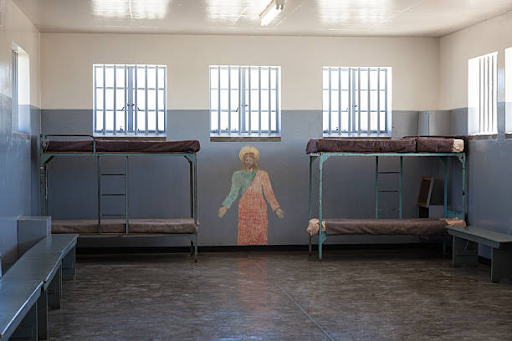
Faith sustains human lives inside dark prison cells. Hope provides a powerful vision for a better future. Recovery fixes the deep damage caused by years of active addiction. These three forces drive complete personal transformation for thousands of incarcerated individuals. Many people enter the correctional system with completely broken spirits. Traditional punishment alone cannot heal a wounded human soul. True redemption requires internal change and deep spiritual restructuring. This article explores the inspiring journeys of former prisoners who found a new path. We look at the methods, the struggles, and the lifelong success of these recovered individuals.
Defining the Spiritual Foundations of Prison Recovery
Spiritual growth provides a strong anchor during a lengthy prison sentence. Inmates face constant temptation, negativity, and violence on the prison yard daily. They need an internal compass to guide their choices. Many individuals discover this vital compass through religious services behind bars. Chapels offer a quiet sanctuary away from the chaotic cell houses. Inmates study holy texts and learn universal moral principles. They discover that their past crimes do not define their eternal value.
The table below outlines the primary spiritual elements that foster recovery inside correctional institutions.
| Spiritual Element | Practical Application inside Prison | Expected Personal Development |
| Daily Meditation | Quiet reflection in a cell during lockup hours | Increased emotional control and reduced stress |
| Scriptural Study | Weekly group reading and textual analysis | Expanded moral reasoning and literacy skills |
| Personal Prayer | Direct communication with a higher power | Development of humility and internal peace |
| Peer Fellowship | Supportive religious circles on the compound | Accountability and rejection of gang lifestyles |
Overcoming Deep Behavioral Blind Spots Through Prayer
Criminal lifestyles thrive on extreme selfishness and personal blind spots. Many offenders blame society or their victims for their personal downfalls. They justify their destructive actions to protect their fragile egos.Consistent prayer shatters these defense mechanisms completely over time. It forces individuals to examine their hearts with absolute honesty. Inmates ask for the strength to face their worst character flaws. They stop making excuses for the pain they caused others.This honest self-examination marks the true beginning of real spiritual recovery. Former prisoners report that prayer removed their desire to commit crimes. It replaced hatred with a sincere wish to help humanity.

Utilizing Religious Community Networks for Immediate Reentry Stability
Walking out of a prison gate brings intense anxiety for any returning citizen. They often lack clothing, money, and safe housing options immediately. Secular resources frequently fall short due to bureaucratic delays and budget cuts.Faith communities step into this dangerous gap with immense love and resources. Local churches, mosques, and temples organize dedicated reentry teams to meet individuals at the gate. They provide hot meals, clean clothes, and temporary shelter.
The list below highlights how faith networks stabilize individuals during the critical first week of release:
- Congregations collect donations of professional clothing for upcoming job interviews.
- Volunteers transport returning citizens to mandatory parole meetings and medical clinics.
- Experienced church members provide immediate temporary housing in clean environments.
- Spiritual leaders offer pastoral counseling to ease the intense anxiety of community transition.
- Faith groups connect individuals with business owners who willingly hire former felons.
Exploring the Intersection of Clinical Treatment and Spiritual Faith
Addiction recovery requires a multi-faceted approach to achieve long-term success. Relying on willpower alone rarely keeps a person sober after years of heavy drug use. True recovery combines scientific medical treatment with deep spiritual faith. Prisons utilize twelve-step fellowships alongside traditional clinical therapy programs. Participants learn to surrender their addiction to a higher power of their understanding. They realize that they cannot beat the disease without spiritual help.
The table below details how clinical methods and spiritual practices complement each other.
| Clinical Therapy Method | Intersecting Spiritual Practice | Combined Recovery Outcome |
| Cognitive Behavioral Restructuring | Daily inventory and honest confession | Complete elimination of dishonest lifestyle habits |
| Relapse Prevention Mapping | Prayer for strength during intense cravings | Immediate de-escalation of dangerous emotional triggers |
| Trauma Processing | Forgiveness exercises targeting past abusers | Deep emotional healing and release of old anger |
Cultivating Genuine Humility Through the Twelve Step Process
Arrogance drives many criminals to believe they are above the law. They think they can outsmart the police and manipulate everyone around them. The twelve-step recovery process systematically dismantles this toxic pride.Steps four and five require a searching and fearless moral inventory. Inmates write down every single mistake, theft, and betrayal they ever committed. They read this painful list aloud to a trusted spiritual mentor. This experience instills a profound sense of genuine humility in the individual. They stop viewing themselves as tough gangsters or clever hustlers. They see themselves as flawed human beings who desperately need restoration.
Healing Broken Family Relationships Through Spiritual Forgiveness
Incarceration tears families apart and leaves behind a trail of deep bitterness. Children feel abandoned by their parents, and parents feel betrayed by their children. Reconnecting requires a miracle of emotional healing and forgiveness. Faith teaches individuals how to extend and receive forgiveness unconditionally. Recovering prisoners write letters of apology to their relatives from their cells. They do not demand immediate reconciliation or make excuses.
Instead, they demonstrate their transformation through consistent, godly behavior over many years. They show their families that their recovery is real and permanent. This patient approach gradually melts the cold walls of family resentment.
The list below outlines the steps former prisoners take to restore family trust:
- They maintain a consistent, sober lifestyle daily without any legal slip-ups.
- Recovering parents prioritize regular communication with their children through letters.
- Individuals provide financial support to their households as soon as they secure employment.
- Families attend spiritual counseling together to process the lingering trauma of separation.
- Reunited relatives build new, positive memories centered around faith activities.

Finding Absolute Freedom Behind Cold Steel Bars
True freedom is a state of mind rather than a physical location. Many people walking the streets outside are prisoners to fear, anger, and addiction. Conversely, an inmate can experience complete internal freedom inside a maximum-security cell block. Spiritual awakening allows inmates to rise above their physical confinement completely. They realize that the state can lock up their bodies but cannot touch their souls. They fill their days with reading, writing, and encouraging other men. This internal liberation changes how inmates interact with correctional staff daily. They respond to harsh treatment with kindness and patience. They become beacons of peace in an environment dominated by hostility and despair.
Rebuilding the Human Conscience After Years of Hardened Crime
Active criminal behavior requires a person to numb their conscience completely. You cannot rob a store or hurt a rival if you feel empathy. Over time, an inmate's heart becomes as hard as the concrete floor they sleep on. The introduction of faith slowly softens this hardened conscience over time. The Holy Spirit convicts the individual of the sinfulness of their past choices. They begin to feel genuine grief for the victims of their crimes. This return of human feeling can be incredibly painful at first. The individual must face the full weight of their past destructive behavior honestly. Yet, this pain is necessary to rebuild a healthy, functioning moral conscience.
Evaluating the Long Term Success Rates of Faith Based Dorms
Many state prison systems now operate specialized faith-based housing units. These dormitories group spiritually minded inmates together away from the main prison yard. The residents agree to live by strict moral codes and participate in daily studies. Data collected from these specialized units proves their incredible effectiveness. Inmates who graduate from faith dorms return to prison at much lower rates. The positive environment fosters deep lifestyle changes that last for decades.
The table below compares the behavioral metrics of standard housing units versus faith-based dormitories.
| Institutional Metric Type | Standard General Population Dorm | Faith-Based Housing Unit |
| Annual Violent Incidents | High numbers of gang fights and assaults | Extremely rare occurrences of physical violence |
| Contraband Drug Infractions | Constant presence of illegal substances | Thorough commitment to maintaining total sobriety |
| Voluntary Educational Enrollment | Low participation due to negative peer pressure | Maximum enrollment in all available classes |
Transitioning from Gang Leadership to Spiritual Mentorship
Street gangs dominate the social structure of most high-security American prisons. Powerful gang leaders command absolute loyalty and control lucrative contraband markets inside. Leaving a gang is incredibly dangerous and often results in physical retaliation. Yet, dozens of gang leaders walk away from their criminal organizations after finding faith. They publicly renounce their gang affiliations and dedicate their lives to God. This courageous choice sends shockwaves through the entire prison population. These former leaders use their massive influence to steer young inmates away from crime. They hold Bible studies on the recreation yard where gangs usually recruit. They transform from elements of destruction into powerful agents of peace.

Developing a Resilient Mindset to Resist Society's Temptations
The world outside prison is full of old triggers, negative friends, and easy temptations. A returning citizen can easily fall back into drug use within hours of release. Maintaining sobriety requires a highly resilient spiritual mindset. Daily spiritual disciplines create a protective shield around the recovering individual. They start each morning with scriptural reading to focus their thoughts on good things. They stay connected to their sponsor and attend recovery meetings regularly.
The list below details the core habits that build spiritual resilience after prison:
- Individuals completely cut off all contact with old criminal associates and drug dealers.
- They attend weekly spiritual services to renew their commitment to a clean life.
- Recovering citizens volunteer their time to help people who are currently homeless.
- They practice mindfulness exercises to handle sudden workplace stress without using drugs.
- Men and women find accountability partners who check on them randomly throughout the week.
Sharing the Message of Hope in Local Schools and Community Centers
The ultimate evidence of transformation is the desire to protect others from making the same mistakes. Many former prisoners become passionate youth mentors after their release. They visit inner-city schools, juvenile halls, and community centers regularly. They share their raw, unvarnished stories of crime, prison pain, and spiritual rescue. They show teenagers that the glamorous gangster lifestyle leads directly to a casket or a cell. Young people listen to these men because they speak from real experience. This advocacy work provides deep meaning to the former prisoner's past suffering. They realize that God saved them so they could save the next generation from ruin. Their past mistakes become their most powerful tool for public good.
Navigating the Emotional Scars of Long Term Confinement Safely
Leaving prison does not instantly erase the deep psychological scars of confinement. Many former prisoners suffer from severe anxiety, paranoia, and post-traumatic stress. The sudden noise and freedom of the outside world can feel completely overwhelming.Faith provides a safe, comforting framework to process this post-prison trauma. Individuals learn to anchor their minds in divine promises when panic attacks strike. They find comfort in the quiet peace of prayer during sleepless nights.Furthermore, spiritual communities surround the individual with gentle, patient friends. These friends do not judge the returning citizen for their emotional struggles or awkwardness. They walk alongside them through the long, slow process of mental decompression.
Establishing Ethical Business Practices as a Transformed Entrepreneur
Many former prisoners possess incredible natural business talents and marketing instincts. In the past, they used these skills illegally to run drug organizations or theft rings. Spiritual recovery teaches them how to redirect these talents into legal enterprises.Transformed entrepreneurs build businesses founded on absolute honesty and fair treatment. They pay their taxes, treat their employees with dignity, and serve their customers excellently. They view their business as a way to glorify God and support their families.
The list below highlights how spiritual values reshape business operations for former prisoners:
- They refuse to use deceptive marketing tactics to sell products to clients.
- Owners actively hire other qualified felons to give them a second chance at life.
- A portion of company profits is donated to support prison ministry programs.
- They maintain complete transparency in all financial accounting and bookkeeping tasks.
- Partners prioritize customer satisfaction over making a quick, dishonest dollar.
Conclusion
The powerful stories of faith, hope, and recovery from former prisoners prove that no human soul is ever completely beyond redemption. While the correctional system excels at physical confinement, it is the internal spiritual awakening that truly delivers long-term rehabilitation. By embracing spiritual disciplines, surrendering toxic pride, and plugging into supportive faith networks, these resilient individuals completely rewrite their life scripts. They successfully break the heavy chains of multi-generational crime and severe chemical dependency. They return to our neighborhoods not as dangerous threats, but as stable, loving parents, honest workers, and inspiring community leaders. Investing our hearts and resources into spiritual recovery programs inside prisons ultimately yields a harvest of safer streets, restored families, and transformed lives across our entire country.
Frequently Asked Questions About Faith and Prison Recovery
Can an inmate join a faith program if they do not belong to that specific religion?
Yes, absolutely. Prison chapels open their doors to any resident who wishes to explore spiritual growth. Program facilitators welcome seekers of all backgrounds and do not force anyone to convert. The focus remains on building positive moral character and learning healthy lifestyle habits together.
How do prison chapels fund their religious books and study materials?
Prison chapels rely almost entirely on generous donations from outside religious organizations and private citizens. Bibles, Qurans, recovery workbooks, and spiritual literature are shipped directly to institutions by faith-based charities. Taxpayer dollars are rarely used to purchase sectarian religious materials for inmates.
What happens if an inmate experiences a spiritual relapse while in a faith dorm?
Chaplains and peer mentors view spiritual slip-ups as opportunities for grace, instruction, and restoration. If an inmate breaks a rule, they meet with a spiritual accountability board to discuss the issue. The individual is encouraged to confess their mistake and receive guidance to get back on track.
Are there faith-based recovery programs available for families of prisoners?
Yes, many national ministries operate specialized support groups for families left behind on the outside. These programs provide spiritual comfort, emotional counseling, and material aid to spouses and children. They help families maintain hope and prepare spiritually for the eventual return of their loved one.
How can a business owner verify that a former prisoner's transformation is genuine?
Employers can speak directly with the prison chaplain or recovery program directors who supervised the individual. These leaders can provide honest reference letters detailing the inmate's consistency, work ethic, and moral growth over several years. Seeing a long-term commitment to spiritual studies is an excellent indicator of true change.
Related Articles
More from the blog
Published articles selected by matching category, then the latest published.
 Parole & ReentryCommon Reentry Challenges and Where to Find HelpA comprehensive guide detailing common reentry challenges for returning citizens. Learn where to find housing, second-chance jobs, healthcare, legal assistance, and government benefits.
 Parole & ReentryHousing, Employment, and Healthcare Resources After ReleaseA complete guide to housing, employment, and healthcare resources for returning citizens. Learn how to secure transitional shelter, second-chance jobs, Medicaid coverage, and record clearance.
 Parole & ReentryPreparing for Parole: A Complete Resource GuideA comprehensive resource guide on preparing for a parole hearing. Learn how to build a strong record, write letters, structure a reentry plan, and impress board members.
Find forms, resources and support
Explore court-ready forms, the resource directory, or contact us for help with a similar issue.