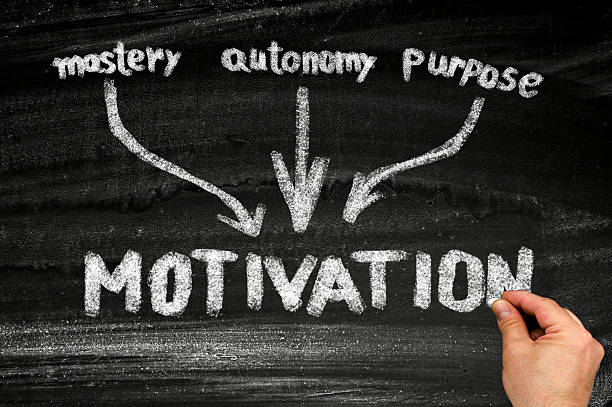
Serving time inside a correctional facility presents profound psychological hurdles. Loss of personal freedom often strips individuals of their fundamental sense of identity and direction. Despair and hopelessness frequently take root when daily routines lack meaningful objectives. However, human beings possess a remarkable capacity to forge deep purpose under difficult conditions.
Finding purpose behind bars does not require extraordinary external circumstances. Instead, internal meaning grows through intentional daily choices, personal projects, and service to others. This comprehensive guide explores science-based strategies to maintain lasting motivation, preserve hope, and build a purposeful life during incarceration.
The Psychology of Purpose Behind Bars
Purpose represents a central, self-organizing life aim that stimulates goals and motivates action. Psychological research demonstrates that having a clear sense of purpose protects against depression. Incarcerated individuals with strong internal purpose experience lower rates of anxiety and institutional burnout. Viktor Frankl famously observed that prisoners who survived extreme confinement maintained a strong inner reason for living.
Without purpose, time inside feels stagnant, heavy, and psychologically corrosive. Finding meaning acts as a cognitive anchor during chaotic or uncertain environments. Purpose redirects your mental energy away from passive suffering toward active personal development. Cultivating this mindset transforms your sentence from wasted time into a period of deep transformation.
Internal purpose originates from personal values rather than institutional rewards. When you align your daily actions with your core values, your self-respect grows steadily. This internal alignment generates sustainable motivation that does not depend on external validation or officer approval.
Shifting From Survival Mode to Growth Mode
Initial incarceration forces individuals into an involuntary survival mode. Fear, hypervigilance, and emotional numbness dominate your daily cognitive processing during this phase. While survival instincts protect you initially, staying trapped in survival mode destroys long-term well-being. Transitioning to growth mode requires a conscious psychological shift.
Growth mode involves viewing your environment as a challenging classroom rather than a permanent cage. You begin asking what you can learn from your circumstances rather than simply waiting for release. This cognitive reframing reduces feelings of victimization and restores personal agency.
The table below contrasts survival mode behaviors with intentional growth mode actions.
Psychological State | Core Mindset in Prison | Resulting Daily Behavior |
Survival Mode | "I am just trying to get through each day safely and numb my feelings." | Passive observation, isolation, and avoidance of self-improvement |
Growth Mode | "I am using this time to build skills and reshape my character." | Active engagement in studies, exercise, and mentorship |
Identifying Your Core Personal Values
Purpose cannot exist in a vacuum; it requires a foundation of personal values. Values represent the guiding compass that dictates what matters most to your life. When incarcerated, external markers of success like wealth or career titles disappear. You must strip away superficial identifiers and examine your core internal character.
Take time during quiet hours to write down what truly matters to you. Do you value wisdom, creativity, compassion, leadership, or honesty? Identifying these core values clarifies your personal mission behind bars. Your daily actions must reflect these values to maintain psychological integrity.
Evaluating your choices against your core values builds deep self-awareness. If your actions conflict with your stated values, you experience inner friction and despair. Realigning your daily habits with your values restores inner peace and motivational clarity.

Setting Meaningful and Measurable Goals
Goals provide the operational roadmap required to achieve a greater sense of purpose. Vague aspirations like "I want to be better" fail because they lack clear execution steps. Meaningful goals must be broken down into specific, measurable milestones. Setting goals gives your brain a reason to engage with each new day.
Categorize your goals across different life domains, such as intellectual, emotional, and physical. This holistic approach ensures balanced personal development during your sentence. Write your goals down on paper and review them every single week.
The table below outlines structured goal categories tailored for a correctional setting.
Goal Domain | Specific Prison Objective | Desired Long-Term Outcome |
Intellectual | Read twelve non-fiction books and complete a correspondence course | Expanded cognitive flexibility and marketable knowledge |
Physical | Master basic bodyweight fitness routines and improve cardiovascular endurance | Enhanced physical health and stress reduction |
Emotional | Complete an anger management program and maintain a daily gratitude journal | Greater emotional stability and conflict resolution skills |
Cultivating Daily Motivation Through Micro-Milestones
Waiting for massive bursts of motivation leads to chronic procrastination and despair. Motivation rarely precedes action; instead, action generates motivation. Waiting to "feel like" studying or working out results in endless stagnation. Breaking large objectives into tiny micro-milestones makes action frictionless.
Focus exclusively on completing the single task directly in front of you. If you want to write a book, commit to writing just one paragraph today. Small, consistent victories build positive momentum and reinforce your belief in future success.
Your brain records every completed micro-milestone as a neurological win. These repeated wins release dopamine, fueling your desire to tackle the next task. Momentum replaces the need for intense willpower.
Contributing to Your Community Through Altruism
Finding purpose often requires looking outward rather than inward. Correctional environments are filled with individuals suffering from loneliness, fear, and mental distress. Offering kindness or practical help to a peer creates immediate meaning. Altruism activates neural circuits associated with profound personal fulfillment.
You do not need money or formal titles to make a positive community impact. Tutor a peer who struggles with basic reading skills during recreation time. Share words of encouragement with someone experiencing an acute emotional crisis. Keep shared common spaces clean and peaceful for everyone.
Altruistic acts redefine your identity from a dependent recipient to a valuable contributor. When you see your actions actively improving another person's day, your sense of purpose solidifies. Serving others is one of the most powerful antidotes to institutional despair.
Developing Mastery Through Deep Work
Striving for mastery over a specific skill provides a profound sense of accomplishment. Choose one complex subject or craft to study intensively during your sentence. Whether learning a foreign language, studying philosophy, or practicing creative writing, commit to deep focus. Mastery requires patience, deliberate practice, and intellectual humility.
Superficial dabbling across many subjects prevents deep cognitive engagement. Dedicate undisturbed hours to mastering the subtle nuances of your chosen discipline. The pursuit of excellence demands rigorous mental effort that crowds out negative thoughts.
Becoming highly skilled in an area builds unshakable self-reliance. When you realize your mind can master complex concepts inside a cell, your confidence expands. This mastery prepares you to contribute meaningfully to society upon release.
Transforming Adversity Into Post-Traumatic Growth
Adversity is an inescapable reality of incarceration and human existence. However, human beings possess the unique ability to experience post-traumatic growth. Post-traumatic growth occurs when profound life hardship catalyzes positive psychological transformation. Suffering ceases to be meaningless when you convert it into wisdom.
Examine your past mistakes with absolute honesty, but refuse to let guilt paralyze your future. Use your past failures as vital data points to guide your current character development. Wisdom gained through severe trial equips you to mentor others facing similar pitfalls.
Reframing adversity shifts your perspective from "Why is this happening to me?" to "What is this teaching me?" This shift turns painful experiences into building blocks for lasting strength. Your difficult journey becomes a source of empathy and resilience.

Practicing Gratitude to Anchor Hope
Hope requires an intentional focus on remaining possibilities rather than absent freedoms. Despair grows when you fixate obsessively on what you have lost. Practicing daily gratitude actively rewires your brain to notice positive elements. Gratitude acts as a psychological anchor during turbulent emotional storms.
Keep a daily gratitude journal where you record three specific, mundane blessings. Notice the warmth of morning sunlight, the taste of a hot meal, or a kind word from a peer. Training your mind to spot these details cultivates an enduring baseline of hope.
Gratitude does not minimize the genuine hardships of incarceration. Instead, it expands your emotional capacity to hold both pain and hope simultaneously. Recognizing small blessings prevents bitterness from hardening your heart.
Maintaining Connection With the Outside World
Isolation erodes hope and weakens your connection to a purposeful future. Maintaining healthy relationships with supportive family members and friends keeps your vision alive. Share your educational milestones, reading insights, and personal goals with your loved ones during calls and visits.
When outside supporters witness your active commitment to growth, their faith in you deepens. This mutual exchange of encouragement creates a powerful emotional bridge across prison walls. Your future life outside remains a tangible reality worth planning for.
Participate in community correspondence programs or mentorship networks if family ties are absent. Knowing that someone on the outside cares about your progress fuels your daily motivation. Human connection reminds you that your life matters beyond the prison fence.
Conclusion
Finding purpose during incarceration is a deliberate, courageous act of inner reclamation. By shifting from survival mode to growth mode, identifying core values, setting measurable goals, and serving others, you build a meaningful life behind bars. Transforming adversity into post-traumatic growth and practicing daily gratitude preserves an unshakeable sense of hope. Your physical freedom may be temporarily restricted, but your capacity to create purpose, demonstrate resilience, and shape your own character remains entirely your own.
Frequently Asked Questions
What is the primary difference between goals and purpose in prison?
Purpose is your overarching, values-driven reason for living, while goals are the specific operational steps you take to fulfill that purpose.
How can I find purpose when my daily schedule is completely controlled?
While external schedules are controlled, your internal focus, attitude, personal projects, and interactions with peers remain entirely within your personal power.
Why do I feel unmotivated even when I want to change?
Motivation usually follows action rather than preceding it. Waiting to feel motivated leads to stagnation; taking small actions first generates natural momentum.
Can helping other inmates really improve my own mental well-being?
Yes. Altruism and acts of service activate neural pathways associated with fulfillment, reduce feelings of isolation, and validate your self-worth.
What should I do if my goals feel overwhelming in a prison setting?
Break your large goals down into tiny, manageable micro-milestones that you can complete in a few minutes each day.
How does post-traumatic growth differ from simple survival?
Survival is merely enduring hardship, whereas post-traumatic growth uses hardship as a catalyst to develop deep wisdom, empathy, and character strength.
Legal information
Related Articles
More from the blog
Published articles selected by matching category, then the latest published.
 ArticlePreventing Stress and Burnout Among Correctional Officers: Evidence-Based Workplace Wellness StrategiesDiscover evidence-based wellness strategies for correctional officers to prevent burnout, manage trauma, and maintain mental resilience in prison work.
 ArticleIdentifying Mental Health Warning Signs in Inmates: Essential Knowledge for Correctional OfficersDiscover essential mental health warning signs for correctional officers to identify distress, recognize suicide risk, and maintain prison safety.
 ArticleManaging Verbal Aggression in Prison: Professional Responses That Prevent Conflict EscalationDiscover professional strategies for correctional staff to manage verbal aggression, avoid ego-driven traps, and prevent conflict escalation in prison.
Find forms, resources and support
Explore court-ready forms, the resource directory, or contact us for help with a similar issue.