
Modern correctional facilities rely heavily on communication technology to manage inmate populations safely. Traditional paper mail lines are shifting toward advanced electronic networks across the United States. These communication upgrades allow residents to interact with their families, legal teams, and support systems effectively. However, prison administrators enforce strict surveillance protocols over all inbound and outbound media channels. Security teams monitor digital text strings and paper envelopes to block dangerous contraband items. This comprehensive guide details the operational mechanics, structural rules, and consumer rights governing carceral communication systems today.
Understanding the Evolution of Inmate Mail Systems
For decades, physical paper letters served as the primary connection method for incarcerated individuals. Inmates spent hours writing thoughts on paper sheets to maintain family bonds. Relatives sent photographs, drawings, and postcards to decorate sterile concrete housing units. Security threats have forced departments of corrections to modify traditional delivery methods significantly. Smuggling networks frequently use paper layers to introduce synthetic drugs into prison yards. The table below traces the historical evolution of inmate correspondence models over time.
Operational Communication Era | Primary Document Processing Method | Core Security Risk Factor |
| Traditional Postal Era | Staff opened paper envelopes by hand in local mailrooms | Visual inspection missed hidden liquefied contraband |
| Photocopy Transition Era | Guards copied original letters onto plain office paper | High paper costs strained thin facility budgets |
| Centralized Scanning Era | Private offshore hubs scan documents into digital files | Digital storage networks face unexpected server drops |
| Modern Hybrid System Era | Inmates view all personal mail on handheld mobile screens | Software glitches can block critical family attachments |
Navigating the Rules of Centralized Mail Scanning
Many state prison systems utilize centralized scanning centers to process incoming social mail. Under this model, families do not send letters directly to the prison's physical address. Instead, they mail the correspondence to a private sorting hub located in a different state. Contract employees open the envelopes and feed the pages into high-speed digital scanners. The software converts the physical sheets into digital files and transmits them to the prison computer network. The list below highlights the specific processing rules that apply to centralized scanning tracks:
- Staff shred the original physical paper letters after a thirty day storage window expires.
- Inmates read the scanned pages using communal kiosks or personal mobile tablets.
- Scanning hubs reject any mail items that exceed standard paper size dimensions.
- Clerks delete images that contain illegible text or blurry photographic prints.
- Legal correspondence must bypass these hubs to protect client confidentiality laws.

Enforcing Content Restrictions on Inbound Correspondence
Prison mailrooms retain the legal right to reject any letter that threatens institutional order. Supervisors read text lines to intercept coded messages, escape plans, and gang directives. If a letter violates safety codes, staff confiscate the document immediately. The facility sends a formal rejection notice to both the sender and the inmate recipient. The notice details the exact reason for the block and outlines the administrative appeal timeline. The table below outlines common content violations and their corresponding institutional actions.
Material Violation Class | Specific Text or Media Example | Immediate Institutional Action |
| Security Threat Code | Detailed blueprint drawings of the outer gate fences | Confiscation of document and internal investigation |
| Prohibited Media Type | Graphic photographs depicting nudity or weapon items | Return to sender with formal rejection paperwork |
| Criminal Collaboration | Instructional text detailing illegal drug synthesis steps | Referral to local state police investigators |
| Contraband Smuggling | Enclosing loose stamps or currency inside the envelope | Seizure of items and disciplinary ticket issues |
Setting Up Secure Electronic Messaging Applications
Electronic messaging systems are replacing traditional mail across federal and state carceral systems. Private communication companies build secure intranet platforms designed specifically for prison housing units. Companies like CorrLinks, JPay, and Securus dominate this lucrative digital carceral technology market. Families must download the corresponding application onto a personal smartphone or home computer. Users create a secure profile and invite the incarcerated individual using their state identification number. The list below identifies the core operational features found within these carceral texting networks:
- Systems utilize electronic stamps that users purchase with credit cards.
- The application enforces a strict character limit on every message transmission.
- Automated filters scan text strings for specific security keyword flags.
- Messages do not arrive in real time due to mandatory supervisor approval delays.
- Inmates type responses using rugged communal dayroom terminal stations.
Managing the Financial Cost of Electronic Stamps
Carceral digital communication is never free for inmates or their outside families. Private vendors charge users a specific fee for every electronic message they transmit. This system requires families to buy digital stamp packages through the application's checkout portal. The cost of a single electronic stamp varies significantly depending on the state contract. Some agencies negotiate low rates, while others allow vendors to charge high fees for basic text lines. The table below outlines typical stamp pricing structures and accessory costs across major networks.
Media Transmission Category | Average Electronic Stamp Cost | Additional Transaction Processing Fees |
| Plain Text Message Block | Five cents to twenty five cents per transmission | No extra fees applied to standard text files |
| Photographic Media Attachment | Requires one additional stamp per picture file | System charges a flat processing fee per upload |
| Short Video Memo Clip | Requires two to three electronic stamps per clip | Premium fees apply to video rendering operations |
| Electronic Greeting Card | Fixed rate based on the complexity of the design | Special holiday graphics require premium credits |
Protecting the Privacy of Digital Communications
Inmates and family members possess no expectation of privacy when using social messaging platforms. The department of corrections logs every electronic letter and archives the data for years. Intelligence teams review these files regularly to track compound behavior patterns and disrupt illicit activity. Advanced software programs use artificial intelligence to read thousands of messages simultaneously. The system flags phrases related to money transfers, gang slang, and institutional complaints. Discussing illegal operations over these networks will result in immediate disciplinary action or new criminal indictments.
Securing Attorney Client Privilege in Electronic Networks
The Sixth Amendment protects the confidentiality of all communications between an inmate and their legal counsel. Traditional mail systems use special stamps and signatures to identify legal envelopes clearly. Staff can open legal mail only in the physical presence of the inmate to check for physical contraband. As prisons shift toward digital platforms, maintaining this legal privilege requires specialized software barriers. Secure networks like the federal TRULINCS system offer dedicated email portals for registered defense attorneys. The list below outlines the strict security rules governing digital legal communication channels:
- Attorneys must register their official credentials with the agency database before activation.
- The system disables all automated keyword scanning tools on whitelisted legal accounts.
- Staff cannot read or print the text files without a signed federal warrant.
- Inmates access their legal email inbox using separate password protected computer terminals.
- Violating these digital protections can cause a judge to dismiss an active indictment.
Operating Handheld Mobile Tablets Inside Housing Blocks
Many modern prisons distribute individual handheld mobile tablets to the incarcerated population. Companies like ViaPath and Securus provide these devices to departments of corrections at no cost to the state. The vendors generate revenue by selling digital media subscriptions and communication credits directly to users. The tablets operate on a secure, restricted wireless network that does not connect to the open internet. Inmates use the devices inside their living cells to read books, stream music, and send electronic messages. This technology reduces arguments over dayroom kiosks and helps maintain quiet, orderly housing blocks.
The list below outlines the security boundaries enforced on personal prison tablets:
- The hardware lacks camera lenses, microphone components, and open browser software.
- Inmates cannot alter system settings or download unauthorized application packages.
- The device tracks the user's physical location inside the facility compound continuously.
- Staff can disable tablet access instantly if an inmate violates behavioral rules.
- The system limits daily screen time hours to match facility lockup schedules.

Addressing Language Access in Digital Prison Platforms
Non English speaking inmates face immense hurdles when navigating complex electronic communication networks. Automated menus, system warnings, and stamp purchase screens are frequently printed only in English. This barrier can isolate foreign nationals and prevent them from contacting family members or consulates. Advocacy groups are pushing agencies to integrate multilingual prompt options into all communication platforms. Modern kiosks now feature Spanish, French, Mandarin, and Vietnamese language toggles to ensure equal access. Providing clear language options reduces frustration and helps staff maintain control across diverse populations.
Managing the Process of Disaminated Inbound Publications
Inmates retain the right to receive educational books, magazines, and newspapers through the mail network. Reading materials occupy idle time productively and assist residents with independent educational goals. However, families cannot mail books directly from their personal homes to a prison facility. The department of corrections requires all publications to arrive directly from approved commercial distributors. The list below outlines the mandatory guidelines for ordering reading materials for an inmate:
- Orders must ship directly from trusted commercial warehouses like Amazon or publishers.
- Mailrooms accept paperback editions only because hardcovers can hide weapon items.
- Content must exclude maps, technical electronic diagrams, and martial arts guides.
- Material cannot promote racial supremacy, violence, or institutional disruption strategies.
- The shipping package must display an official printed commercial delivery label clearly.
Understanding the Mechanics of Outbound Inmate Mail
Incarcerated individuals can send physical letters to any approved person in the outside world. The inmate must purchase envelopes, paper sheets, and postage stamps from the facility commissary store. Indigent residents who lack funds receive a minimal monthly allowance of free envelopes from the state. Inmates drop their finished letters into secure collection boxes located inside the housing units. Mailroom staff inspect outbound envelopes to ensure residents do not harass victims or place scam advertisements. The table below traces the path of an outbound prison letter from the cell to the civilian mailbox.
Outbound Processing Stage | Action Conducted by Institutional Staff | Operational Security Objective |
| Collection Phase | Officers clear the unit drop boxes every morning | Prevents inmates from tampering with mail lines |
| Inspection Phase | Staff check return addresses against the facility log | Confirms the sender uses their real identity |
| Stamping Phase | Clerks apply a prominent ink disclaimer to the paper | Warns the public that the mail originates from a prison |
| Dispatch Phase | The facility hands the bags over to the postal service | Moves the documents into public transit networks |
Addressing Tech Glitches and Missing Digital Messages
Prison electronic messaging systems experience frequent technical failures, database drops, and server offline periods. Families often complain that paid messages vanish into the system without ever reaching the inmate's screen. These glitches cause financial frustration because vendors rarely issue refunds for dropped transmissions. When a message goes missing, the cause is usually an automated safety block rather than a hardware error. If the software flags a word, it routes the message to a manual review queue for human inspection. This review track can delay message delivery for several weeks while investigators clear the backlog.
The list below outlines steps to minimize the risk of digital message delivery delays:
- Avoid using street slang, ambiguous acronyms, or nicknames in your text strings.
- Do not discuss financial transactions, cash transfers, or external debt collection efforts.
- Keep your message lengths short to speed up the automated screening scan.
- Avoid attaching multiple photos to a single electronic transmission block.
- Verify that your outside credit card balance remains active to prevent account holds.

Regulating Communication Systems in Juvenile Facilities
Juvenile detention centers operate under a rehabilitative philosophy that prioritizes family reunification. Therefore, mail and digital communication rules are generally less restrictive for youth populations. Staff encourage frequent contact to support the teenager's psychological development and reduce institutional trauma. Many juvenile facilities supply free electronic messaging access to residents to eliminate financial barriers for low income families. However, staff still monitor the text lines closely to prevent gang activity and protect victims. Maintaining open communication lines helps counselors coordinate treatment plans with parents effectively.
Understanding the Disciplinary Penalties for System Abuse
Using prison mail, email, and tablet systems is an administrative privilege rather than an absolute right. Inmates who manipulate these communication tools face swift disciplinary action from supervisor panels. Common violations include sharing PIN codes, sending harassing messages, or attempting to hack system software. If a hearing officer finds an inmate guilty of communication abuse, they can suspend system access for months. Severe infractions can result in the loss of earned good time credits or placement in isolation units. The table below lists common communication offenses and their standard facility punishments.
Form of Communication Abuse | Detailed Description of the Infraction | Common Disciplinary Consequence |
| Account Sharing | Using another inmate's digital profile by force | Loss of tablet access for ninety days |
| Harassment Texting | Sending intimidating messages to outside targets | Permanent block on the specific phone number |
| System Tampering | Attempting to alter tablet security software codes | Disciplinary ticket and isolation cell placement |
| Photo Defacement | Altering digital image files with gang symbols | Loss of media upload privileges for one year |
Utilizing Public Records Laws to Audit Communication Contracts
State departments of corrections sign massive, multi year contracts with private telecommunication corporations. These documents detail the exact stamp prices, commission structures, and service obligations required of the vendor. Citizens can access these contracts by filing public records requests with state agencies. Auditing these contracts allows civil rights groups to ensure companies comply with federal consumer protection caps. It exposes hidden transaction fees that drain millions of dollars from low income communities annually. Transparency forces state officials to prioritize system quality over financial kickbacks during the vendor selection process.
Conclusion
The rapid shift from traditional paper mail to digital email platforms continues to reshape the landscape of communication inside American prisons. While handheld tablets and electronic messaging apps increase the speed of contact, they introduce new surveillance models and financial burdens for families. Landmark decisions and federal regulations like the Martha Wright-Reed Act highlight the continuous effort to protect consumers from predatory carceral stamp rates. Inmates must navigate rigid content boundaries, centralized scanning centers, and strict electronic whitelists to preserve their connection to society. Legal communication retains its vital protections under the Sixth Amendment, but defense teams must remain vigilant as facilities digitize their databases. Ultimately, maintaining stable, affordable, and accessible communication networks is critical for the rehabilitation process. Keeping incarcerated citizens connected to their families reduces institutional violence and creates a solid foundation for successful reentry into the community.
Frequently Asked Questions About Prison Communication Systems
Can an inmate receive an email from a person who lives in a foreign country?
Yes, most carceral digital messaging applications allow users living overseas to open communication accounts. You must link a valid international credit card to buy electronic stamps through the provider's online portal. However, overseas accounts face intensive screening scrutiny from facility intelligence teams to prevent international fraud networks.
What happens to an inmate's digital media purchases if their personal tablet breaks?
If a handheld tablet suffers mechanical failure, the inmate's purchased media remains secure in the vendor's cloud database. The company transfers the user's music, books, and messaging history onto a replacement device once staff activate the new hardware. Inmates do not lose their paid digital assets during routine equipment upgrades.
Can a prison block me from sending letters if I have an active criminal record?
Yes, facility wardens possess the broad legal authority to block correspondence from individuals with felony profiles. They enforce these restrictions to prevent criminal collusion, stop gang operations, and protect public safety. You must submit a formal request to the warden to seek an exception if the inmate is an immediate relative.
Why do some prisons ban original hand drawn crayon pictures sent by children?
Smuggling organizations frequently dissolve synthetic narcotics into liquid forms and paint the substance onto paper sheets. Once dry, the crayon wax or marker ink hides the chemical traces from standard visual mailroom checks. To block this smuggling path, many facilities scan original drawings and deliver plain digital printouts instead.
Is an inmate permitted to send electronic messages to a person on parole?
Generally, prison regulations prohibit active inmates from communicating with individuals currently serving parole sentences. This rule prevents the rebuilding of criminal networks and protects the rehabilitation track of the parolee. You must secure written permission from both the warden and the parole officer to bypass this block.
How can a family member challenge an unfair mail rejection notice?
When a mailroom rejects a letter, they must issue a formal notice detailing the specific rule violation. The outside sender can file an administrative appeal with the department of corrections central office within a set timeframe. State your facts clearly and explain why the content does not violate institutional safety codes.
Related Articles
More from the blog
Published articles selected by matching category, then the latest published.
 Mail & PhoneWhat to Do If Prison Mail or Phone Privileges Are RestrictedA complete guide explaining what to do if prison mail or phone privileges are restricted. Learn how to troubleshoot account errors, file grievances, appeal mail rejections, and protect legal rights.
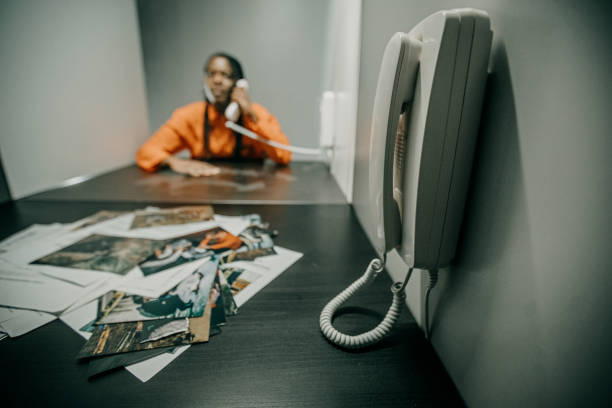 Mail & PhoneHow to Stay Connected Through Prison Phone Calls and Messaging ServicesA comprehensive guide on staying connected through prison phone calls, digital messaging, and video visits. Learn about telecom vendors, prepaid accounts, rate regulations, and security rules.
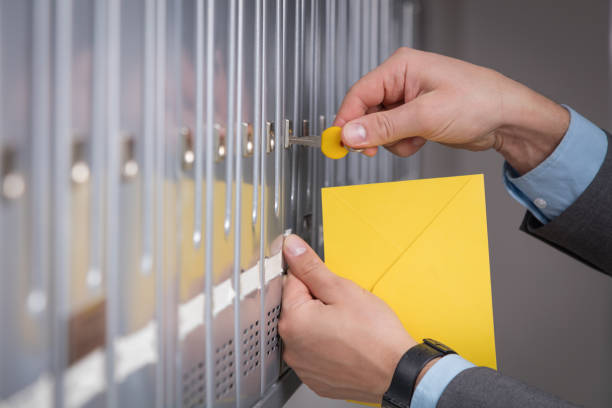 Mail & PhoneUnderstanding Prison Mail Rules and RegulationsA complete guide to understanding prison mail rules and regulations. Learn addressing formats, photo limits, book rules, and legal mail protections for state and federal facilities.
Find forms, resources and support
Explore court-ready forms, the resource directory, or contact us for help with a similar issue.