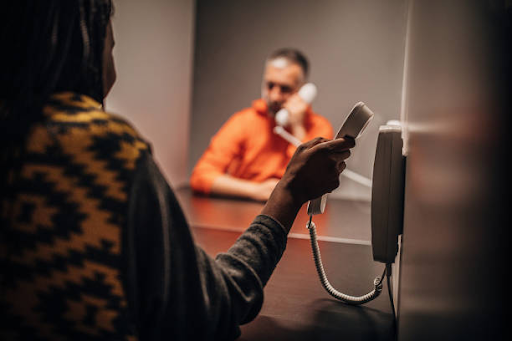
Incarceration separates individuals from their families, friends, and support networks. Maintaining regular contact with the outside world remains vital for successful rehabilitation. Phone calls serve as a primary lifeline for people living behind maximum security walls. These communication lines reduce institutional tension and help residents prepare for their ultimate reentry into society. However, correctional facilities enforce rigid boundaries on telecommunication systems. Security concerns drive strict monitoring, scheduling, and billing networks. This comprehensive guide outlines the legal frameworks, operational limits, and consumer protection acts that govern prison phone systems today.
Defining the Legal Basis for Inmate Communication Rights
The United States Constitution protects specific aspects of inmate communication. Judges review these rights primarily under the First and Fourteenth Amendments. The government cannot sever your ties to the outside world without a valid penological justification. However, courts grant prison administrators wide latitude to restrict phone access to preserve safety. A facility can limit call hours to prevent criminal operations or coordinate housing block movements. The table below outlines the core constitutional touchstones that establish communication parameters behind bars.
| Constitutional Element | Direct Legal Application to Inmates | Primary Institutional Obligation |
| First Amendment | Protecting speech and family association | Providing functional phones in housing blocks |
| Sixth Amendment | Guaranteeing access to criminal defense teams | Offering unmonitored lines for legal teams |
| Fourteenth Amendment | Enforcing equal access across populations | Supplying identical call access to all security tiers |
| Fourteenth Asamendment | Guarding due process during restriction cycles | Providing hearings before pulling phone privileges |
Understanding the Operational Structure of Prison Phone Systems
Prisons do not utilize standard commercial telephone providers like residential homes do. Instead, departments of corrections contract with specialized private telecommunication firms. Companies like Securus Technologies and ViaPath Technologies build and maintain these carceral communication grids. These systems require inmates to utilize unique identification numbers to place outbound calls. The software forces the caller to state their name before connecting to the recipient. The table below traces the common mechanical features of a standard prison telephone grid.
| System Component | Mechanical Function on the Compound | Purpose of the Feature |
| Voice Print Check | Scans the inmate's vocal pattern during log in | Prevents residents from stealing PIN codes |
| Automated Warning | Injects a verbal disclaimer every few minutes | Reminds both parties that staff record the call |
| Hard Cut Off | Terminates the call instantly at a preset limit | Ensures all inmates get a turn on the unit lines |
| Restricted Registry | Blocks calls to unapproved phone numbers | Prevents harassment of victims and witnesses |

Navigating the Setup of Approved Calling Lists
Inmates cannot simply dial any random phone number they remember. Most facility handbooks require residents to submit a formal procurement list. This list is commonly known as an approved telephone log or a call matrix. Staff members screen each submitted phone number before activating the line. They verify the identity of the recipient and ensure the person does not hold a felony record. The list below highlights the mandatory details you must supply to register a number on a call matrix:
- The full legal name of the friend or family member.
- The exact physical street address of the subscriber's residence.
- The active billing phone number with correct area codes.
- The specific nature of the relationship, such as parent or spouse.
- A clean copy of a government issued photo identification card.
Managing Phone Restrictions Across Security Tiers
A facility adjusts phone privileges based on the custody level of the housing unit. General population inmates enjoy the highest level of communication access. Individuals living in maximum security blocks face tighter schedules and fewer available phone terminals. If an inmate enters punitive segregation due to a rule violation, staff can restrict phone use significantly. However, administrators cannot block emergency legal calls even during isolation cycles. The list below outlines the standard calling allowances across common security tiers:
- Minimum Security Units: Continuous daily phone access from dawn until night lockdowns.
- Medium Security Blocks: Scheduled calling hours rotated by housing wing numbers.
- Maximum Security Wings: Limited phone terminal access requiring advance sign up sheets.
- Administrative Detention: Emergency calls only with supervisor approval required.
- Disciplinary Segregation: Total restriction from social calls during the penalty timeframe.
Fighting Exploitative Prison Phone Call Rates
For decades, private telephone vendors charged exorbitant fees for prison phone calls. A single fifteen minute conversation could cost a family over twenty dollars. These predatory rates forced low income families to choose between buying groceries and speaking to loved ones. Congress addressed this financial exploitation by passing the Martha Wright-Reed Just and Reasonable Communications Act. This historic legislation empowered the Federal Communications Commission to regulate carceral communication costs. The table below tracks the legal evolution of phone rate caps inside American prisons.
| Historical Era | Average Cost of a 15-Minute Call | Primary Regulatory Authority |
| Pre Regulation Era | Exceeded twenty dollars in many states | Private vendors set rates without oversight |
| Initial Interstate Cap | Capped at twenty one cents per minute | Federal Communications Commission interstate rule |
| Martha Wright Era | Reduced significantly across all state lines | Congressional mandate expanding agency power |
| Modern Cap Era | Maintained at just and reasonable baselines | Comprehensive federal caps covering video and audio |
The Mechanics of Monitoring and Recording Social Calls
Correctional officers monitor prison phone calls to detect escape plots, drug smuggling, and gang activity. Specialized intelligence units review recorded conversations daily using advanced keyword searching software. If the system flags a suspicious word, an investigator listens to the entire audio file. Both the inmate and the outside recipient must understand that they possess no expectation of privacy during social calls. Staff can share recordings with local police departments or prosecutors to build new criminal cases. Discussing ongoing illegal operations over a prison phone terminal invariably results in new indictments.

Securing the Attorney Client Privilege on Legal Lines
The Sixth Amendment guarantees absolute privacy for communications between an inmate and their defense attorney. Prisons must provide a separate method for placing unmonitored legal phone calls. Staff face severe criminal and civil penalties if they record a confidential conversation with a licensed lawyer. To secure this protection, your defense attorney must register their office phone number with the warden's administration. The facility updates the central computer database to whitelist the lawyer's number. The list below highlights the strict protocols governing legal telephone communications:
- Legal calls must take place on dedicated desk phones inside case manager offices.
- Staff can watch the inmate through a window but they cannot wear audio headsets.
- The central recording software disables all logging features during the whitelisted call.
- Attorneys can request emergency calls outside normal hours to meet court filing deadlines.
- Violating attorney client privilege can cause a judge to dismiss an active indictment.
Navigating the Financial Architecture of Inmate Phone Accounts
Private phone companies utilize specialized billing tracks to collect fees from users. Families must establish prepaid accounts before they can receive calls from a correctional complex. The two primary methods include debit calling systems and collect calling networks. In a debit system, the inmate purchases phone credits directly from their institutional trust fund account. This setup allows the prisoner to manage their own communication budget independently. Collect networks charge the outside recipient's credit card directly every time they answer the phone line.
Addressing Technical Glitches and Three Way Call Drops
Prison phone software utilizes automated security algorithms to detect unauthorized call forwarding. If the system hears a click, a long pause, or a third voice, it terminates the line instantly. These sudden hang ups are commonly known as automated security drops. These glitches frustrate families because the system often misinterprets normal line static as a three way call attempt. When a drop happens, the account vendor still charges the initial connection fee. The list below outlines strategies to avoid triggering automated call drops:
- Disable call waiting features on your personal cell phone terminal.
- Avoid using speakerphone options which create echoing background noises.
- Do not speak over the automated system announcements when they inject text.
- Avoid transferring the phone handset between different family members mid call.
- Keep your cellular signal strong to prevent packet drops that mimic line switches.
Managing the Language Barriers in Communication Systems
Non English speaking inmates face additional structural hurdles when navigating prison phone systems. The automated menus that control log-ins and pin entries are often printed or spoken only in English. This limitation can prevent immigrant detainees from contacting family members or consulates. Progressive departments of corrections are updating their communication software to feature multilingual prompt choices. They offer instructions in Spanish, French, Mandarin, and Arabic to ensure equal system access. Providing clear language pathways helps facilities maintain safety and reduce frustration among diverse populations.
The Introduction and Regulation of Prison Video Visitation
As technology advances, video visitation kiosks are supplementing traditional voice phone terminals. Companies install rugged tablets inside housing units that allow families to conduct live video chats from home. This visual connection helps parents see their children and maintain closer emotional bonds. However, video visitation creates new surveillance vectors for institutional intelligence teams. Officers monitor the video feeds in real time to check for contraband displays or gang hand signals. Families must dress appropriately and follow strict behavioral rules during a video session to avoid a permanent account ban.
The list below outlines the operational rules for maintaining video visitation privileges:
- Both parties must remain fully clothed in standard modest attire throughout the feed.
- Users cannot display alcohol, weapons, or illegal substances to the camera lens.
- The inmate must remain seated directly in front of the kiosk tracking sensor.
- Outside participants cannot operate moving motor vehicles during the live feed.
- Violating video rules results in immediate termination of the active streaming block.
Addressing Phone Access Rules in Juvenile Detention Facilities
Juvenile detention centers operate under a different legal philosophy than adult maximum security penitentiaries. These facilities prioritize rehabilitation, education, and family reintegration for young offenders. Therefore, phone call rules in juvenile blocks are generally less restrictive than adult tracks. Youth residents often receive free weekly phone calls to parents or legal guardians to support emotional stability. Staff members encourage regular contact to reduce trauma and assist facility psychologists with treatment plans. However, lines remain monitored to ensure older gang members do not manipulate the youth from the outside.

Understanding the Penalties for Phone System Abuse
Using the prison telephone system is a privilege that comes with significant behavioral responsibilities. Inmates who manipulate the lines face swift disciplinary action from the housing unit supervisor. Common violations include using another resident's PIN code or placing harassment calls. If a hearing officer finds an inmate guilty of phone abuse, they can pull your calling privileges for months. Severe infractions can result in placement in disciplinary segregation units or the loss of good time credits. The table below lists common phone violations and their corresponding disciplinary consequences.
| Typology of Phone Abuse | Description of the Violation | Institutional Punishment Issued |
| PIN Code Theft | Using a weaker inmate's number by force | Loss of phone access for sixty days |
| Third Party Patching | Forwarding a call to an unapproved recipient | Restriction to collect calls only for one month |
| Threats of Violence | Screaming intimidation text at an outside target | Disciplinary ticket and isolation cell placement |
| Kiosk Destruction | Smashing a phone handset against a brick wall | Financial restitution fees and loss of yard time |
The Growth of Controlled Wireless Tablet Communication
Many state prison systems are replacing wall mounted phones with personal handheld tablets. Private vendors distribute these secure tablets to inmates for use inside their cells. The devices run stripped down operating systems that connect to a secure facility wireless network. Inmates can use these tablets to place phone calls, send electronic messages, and stream educational videos. This technology reduces lines at the wall terminals and allows for private conversations away from noisy dayrooms. However, the communication apps track your physical location and log every keystroke to maintain safety.
Utilizing Public Records to Audit Phone Vendor Contracts
State departments of corrections sign massive multi year contracts with private phone providers. These documents outline the exact fee structures, commission rates, and service obligations of the vendor. Citizens can secure copies of these contracts by filing requests under state open records laws. Auditing these contracts allows advocacy groups to ensure companies follow federal rate caps. It exposes hidden connection fees or text messaging charges that drain money from low income communities. Transparency forces agencies to select vendors based on service quality rather than financial kickbacks.
Conclusion
Prison phone systems represent a complex intersection of security requirements, constitutional speech protections, and corporate utility models. While the First Amendment guarantees a right to maintain outside associations, the state retains the power to monitor, schedule, and restrict lines to ensure institutional safety. Landmark laws like the Martha Wright-Reed Act continue to reshape the economic landscape by dismantling predatory pricing schemes that harm low income families. Navigating approved matrices, managing PIN security, and ensuring attorney client privilege requires diligence from both inmates and external support networks. As communication technology shifts from wall terminals to cellular tablets and video portals, maintaining transparent oversight remains critical. Securing stable, affordable communication lines keeps incarcerated citizens connected to reality and drastically reduces recidivism rates across the nation.
Frequently Asked Questions About Phone Rules
Can a prison block me from calling my spouse if they have a past felony record?
Yes, facility wardens possess the legal authority to block calls to formerly incarcerated individuals or active felons. They do this to prevent criminal collusion and stop gang communication networks. You must petition the warden formally to request an exception if the felon is an immediate family member.
What should I do if the system continuously drops my legal calls to my attorney?
If your legal calls drop repeatedly, your attorney must notify the facility's compliance officer immediately. Request an audit of the whitelisted number to ensure the automated security filter is turned off. Keep a written log of the date and exact time of every dropped call for your court files.
Do international phone calls follow the same rate caps as domestic calls?
No, the standard domestic rate caps set by the Federal Communications Commission do not always apply to international lines. International calls require routing through overseas networks, which increases operational costs significantly. Check with the specific facility provider to review their international per minute pricing structures.
Can a correctional officer listen to my phone call in real time while standing next to me?
Yes, guards have the legal right to stand near the phone banks and listen to your words directly. They do this to maintain physical safety on the compound and monitor unit behavior. If you require absolute privacy, you must wait for a scheduled confidential call with your defense attorney.
How do I remove money from a prison phone account if an inmate gets transferred?
You must contact the customer service division of the phone vendor, such as Securus or ViaPath, to request a refund. Provide the inmate's identification number and proof that they moved to a different network. The company will verify the account balance and issue a check for the remaining funds.
Can an inmate receive incoming phone calls from family members during emergencies?
No, prisoners cannot receive incoming phone calls under normal operating protocols. If a family emergency happens, you must contact the facility chaplain or the shift lieutenant's office. Staff will verify the emergency and bring the inmate to a staff office to place an outbound call.
Related Articles
More from the blog
Published articles selected by matching category, then the latest published.
 Mail & PhoneWhat to Do If Prison Mail or Phone Privileges Are RestrictedA complete guide explaining what to do if prison mail or phone privileges are restricted. Learn how to troubleshoot account errors, file grievances, appeal mail rejections, and protect legal rights.
 Mail & PhoneHow to Stay Connected Through Prison Phone Calls and Messaging ServicesA comprehensive guide on staying connected through prison phone calls, digital messaging, and video visits. Learn about telecom vendors, prepaid accounts, rate regulations, and security rules.
 Mail & PhoneUnderstanding Prison Mail Rules and RegulationsA complete guide to understanding prison mail rules and regulations. Learn addressing formats, photo limits, book rules, and legal mail protections for state and federal facilities.
Find forms, resources and support
Explore court-ready forms, the resource directory, or contact us for help with a similar issue.