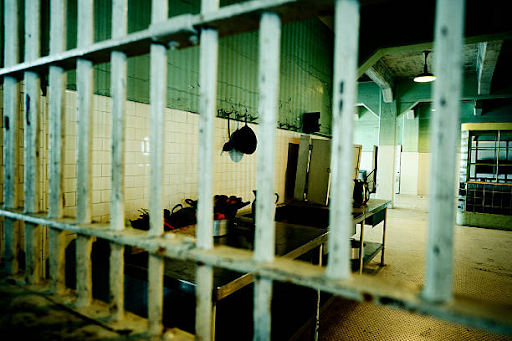
The United States correctional network holds over one million individuals inside state and federal facilities. Managing these large populations requires a strict focus on basic human needs. Providing adequate nutrition and maintaining sanitary living conditions form the foundation of carceral management. These factors directly affect institutional safety, inmate health, and human dignity. When the state deprives an individual of liberty, it assumes total responsibility for their daily upkeep. Prisons must implement efficient operational systems to feed and house residents safely. This comprehensive guide outlines the regulatory standards, systemic deficiencies, and direct impacts of prison environments on human life.
Defining the Constitutional Mandate for Humane Conditions
The United States Constitution protects incarcerated individuals from cruel and unusual punishment. The Eighth Amendment serves as the core legal pillar for all carceral living standards. Prisons cannot legally starve residents or force them to live in toxic environments. The federal courts utilize a strict legal standard called deliberate indifference to judge prison operations. An inmate must prove that officials knew about dangerous living conditions but chose to ignore them. The table below traces the landmark judicial decisions that established inmate rights regarding nutrition and shelter.
Landmark Judicial Decision | Year of Ruling | Core Environmental Doctrine Established |
| Estelle v. Gamble | 1976 | Rules that the state must provide basic sustenance and care |
| Hutto v. Finney | 1978 | Places strict time limits on punitive isolation due to poor nutrition |
| Rhodes v. Chapman | 1981 | Clarifies that harsh conditions do not violate rights unless dangerous |
| Farmer v. Brennan | 1994 | Defines deliberate indifference regarding general inmate health risks |
Evaluating the Caloric Reality of the Prison Dietary Line
Correctional facilities must provide meals that meet basic national nutritional guidelines. Most state agencies design menus to deliver between two thousand and three thousand calories daily. However, the actual nutritional quality of these meals often falls below community standards. Prisons frequently rely on heavily processed foods, refined carbohydrates, and high sodium preservatives. Fresh vegetables and lean proteins rarely appear on the standard cafeteria tray. The list below highlights the common dietary staples served inside maximum security dining halls:
- Fortified soy product blends used as a low cost substitute for real ground beef.
- Enriched white bread slices to boost the total caloric count of every tray.
- Powdered drink mixes containing artificial colorings and high sugar contents.
- Dehydrated potato flakes that staff reconstitute with boiling industrial tap water.
- Canned legume varieties that provide cheap protein but contain high sodium loads.

Navigating Private Corporate Catering Contracts in Corrections
Many state governments outsource their entire food service operations to private corporations. Massive companies sign multi million dollar contracts to manage facility kitchens, order inventory, and supervise inmate cooks. Proponents argue that privatization reduces state spending through bulk purchasing power. However, civil rights organizations actively criticize the private carceral food model. Critics present evidence showing that corporate profit motives can lead to dangerous cost cutting measures. The table below outlines the core differences between agency operated kitchens and private corporate food systems.
| Food Management System Type | Primary Operational Motive | Main Risk to Inmate Welfare |
| Public State Agency Model | Compliance with institutional safety rules | Slower administrative adjustment to food supply inflation |
| Private Corporate Contractor | Maximization of profit margins for shareholders | Systemic reduction of portion sizes and lower food grades |
Understanding the Growing Epidemic of Carceral Foodborne Illness
The crowded nature of prison kitchens creates significant risks for large scale foodborne illness outbreaks. Incarcerated individuals suffer from foodborne infections at rates far higher than the general civilian population. Poor refrigeration, dirty preparation surfaces, and inadequate staff training drive this hidden crisis. When a foodborne pathogen strikes a compound, it can incapacitate hundreds of residents simultaneously. Medical departments must scramble to treat acute dehydration and systemic gastrointestinal distress. The list below details the primary causes of infectious contamination inside carceral kitchens:
- Failure to maintain proper holding temperatures for meat products during storage.
- Inadequate cleaning of industrial can openers and meat slicing machines.
- Pressure on inmate cooks to utilize expired or spoiled raw ingredients.
- Lack of antibacterial hand soap at staff and inmate washing stations.
- Delays in repairing broken commercial dishwashers and sanitation plumbing.
Managing Special Dietary Lines for Medical and Religious Needs
Correctional facilities must accommodate residents who require specialized diets for documented medical or religious reasons. Clinicians prescribe specific meal plans for individuals suffering from severe diabetes, heart disease, or kidney failure. Similarly, chaplains verify requests for kosher, halal, or vegetarian options. Managing these separate dietary tracks complicates daily kitchen operations significantly. Staff must prepare these meals in segregated areas to prevent cross contamination. The table below tracks the common specialized dietary profiles managed within state institutions.
Specialized Dietary Profile | Core Nutritional Restriction | Primary Operational Goal |
| Therapeutic Renal Diet | Strict limits on potassium, phosphorus, and fluid | Protection of remaining kidney function in patients |
| Certified Kosher Tray | Separation of meat and dairy with sealed packaging | Compliance with traditional Jewish theological laws |
| Low Sodium Cardiac Option | Total salt restriction below two grams daily | Management of chronic hypertension and heart failure |
| Halal Compliance Menu | Exclusion of pork products and specific slaughter rules | Adherence to Islamic dietary guidelines for residents |
Analyzing the Economic Power of the Prison Commissary System
Inmates who possess private financial resources can bypass the standard cafeteria line by purchasing items from the commissary. The commissary functions as an internal grocery store where residents buy snacks, hygiene products, and small electronics. Families send cash deposits to fund these accounts. However, items inside the commissary often carry high markups that exploit low income families. For indigent inmates who lack outside support, the commissary remains completely out of reach. This economic disparity creates a sharp social divide inside the housing units. The list below highlights the most popular food items sold through carceral commissary portals:
- Packets of instant ramen noodles which serve as an internal currency on the yard.
- Pouches of precooked mackerel or tuna fillets that provide high quality protein.
- Jars of peanut butter that offer dense calories and long shelf lives.
- Bags of hot tortilla chips used to flavor standard cafeteria food portions.
- Sticks of summer sausage that do not require refrigeration inside cells.
Addressing the Severe Crisis of Systemic Overcrowding
Overcrowding represents one of the most destructive forces impacting modern prison living conditions. When a facility operates past its design capacity, every infrastructure system experiences severe strain. Overcrowded housing blocks generate extreme noise levels, heightened psychological stress, and increased physical violence. Many agencies handle overflow populations by placing extra bunks into gymnasium floors or dayrooms. This practice strips residents of privacy and destroys basic safety protocols. Overcrowding also overwhelms the building's climate control, ventilation, and plumbing networks.

Combating Extreme Temperatures in Aging Carceral Structures
A vast majority of state penitentiaries operate inside aging structures built decades ago. These older facilities frequently lack modern centralized air conditioning systems entirely. During summer heatwaves, temperatures inside concrete cell blocks can easily exceed one hundred degrees. Extreme heat poses a lethal threat to elderly inmates and individuals taking psychotropic medications. These medications often impair the human body's natural ability to regulate temperature. Cool zones and ice distribution programs are vital interventions during hot weather seasons.
The list below outlines the methods utilized to mitigate extreme heat risks inside uncooled cell blocks:
- Installation of large industrial fans in communal dayroom areas to circulate stagnant air.
- Distribution of extra ice water buckets to housing tiers during peak afternoon hours.
- Permission for inmates to wear lightweight shorts instead of heavy denim uniforms.
- Implementation of mandatory wellness checks for high risk medical patients by nurses.
- Temporary relocation of vulnerable residents to air conditioned medical housing units.
Evaluating Ventilation Deficiencies and Respiratory Health Risks
Poor air quality represents a silent hazard inside massive concrete prison compounds. Inadequate ventilation systems fail to circulate fresh air or remove airborne pathogens effectively. Dust, mold spores, and viruses accumulate quickly inside tightly sealed cell environments. This stagnant atmosphere accelerates the spread of dangerous respiratory illnesses like tuberculosis and influenza. It also exacerbates chronic conditions such as asthma and seasonal allergies among the population. Upgrading mechanical air filtration systems is necessary to preserve long term public health.
Navigating the Degradation of Plumbing and Sanitation Systems
Severe plumbing failures plague underfunded correctional institutions across the nation. Flooded cells, leaking sewage pipes, and broken water heaters destroy the habitability of housing units. Inmates frequently endure weeks without access to hot water for showers or clean water for drinking. When raw sewage backs up into living spaces, it introduces toxic biohazards directly into the residential zone. Staff must deploy specialized cleaning details to sanitize the affected tiers immediately. The table below tracks the common sanitation failures and their direct operational impacts.
Systemic Sanitation Failure | Root Infrastructure Cause | Primary Threat to Inmate Population |
| Cell Flooding Events | Intentional or accidental toilet line blockages | Destruction of personal property and mold growth |
| Loss of Hot Water Supply | Failure of industrial commercial boiler units | Inability to maintain basic skin and clothing hygiene |
| Low Water Pressure | Aging main supply lines and corroded pipes | Incomplete flushing of waste from housing tiers |
| Toxic Mold Accumulation | Chronic roof leaks and high interior humidity | Escalation of chronic respiratory and lung illnesses |
Mitigating Environmental Infestations of Pests and Rodents
The presence of cockroaches, mice, and rats represents a persistent challenge inside older prison structures. Pests thrive in environments featuring abundant food waste, damp cell basements, and structural cracks. Infestations compromise the sterility of medical clinics and contaminate food storage warehouses. Rats can chew through electrical wiring, creating significant fire hazards inside wall cavities. Agencies must employ professional pest control services to execute regular eradication protocols. Inmates must also maintain high levels of personal cleanliness inside their individual cells to deny pests food sources.
Assessing the Psychological Impact of Constant Artificial Lighting
Many maximum security prisons utilize continuous artificial lighting to maintain absolute visual control over housing areas. Lights inside hallways and cell blocks remain turned on at low levels throughout the entire night. This practice allows roving officers to conduct mandatory headcount checks without using flashlights. However, constant exposure to artificial light disrupts the human body's natural circadian rhythms completely. It leads to chronic sleep deprivation, elevated anxiety, and severe clinical depression among residents. Striking a balance between security surveillance needs and human sleep requirements remains a difficult operational puzzle.

Ensuring Fair Access to Personal Hygiene and Laundry Products
Maintaining personal hygiene is essential for preventing the spread of dermatological infections inside close quarters. Prisons provide residents with a basic weekly allotment of state issued soap, toothpaste, and toilet paper. Inmates must purchase additional grooming items or premium brands through the commissary portal. Facilities also operate industrial laundry departments to clean uniforms, bedsheets, and towels weekly. Washing clothing at high temperatures kills dangerous bacteria and parasites like scabies mites. The list below details the standard hygiene supplies distributed by state repositories to indigent inmates:
- One bar of standard institutional soap containing no added scents or oils.
- A single tube of basic fluoride toothpaste scaled for two weeks of use.
- One roll of standard single ply toilet paper distributed every seven days.
- Access to a shared shower stall for fifteen minutes three times per week.
- One clean set of canvas uniforms exchanged through the laundry window weekly.
Utilizing Public Records to Expose Dangerous Prison Conditions
Civil rights attorneys and investigative journalists use public records laws to audit prison living conditions. Citizens can request copies of internal sanitation logs, kitchen inspection certifications, and maintenance work orders. Exposing these documents to public scrutiny forces state agencies to address long standing structural failures. Transparency discourages administrators from hiding dangerous infrastructure defects behind high security walls. It provides the empirical data necessary to launch successful class action lawsuits regarding cruel conditions. Informed public oversight remains a highly effective tool for driving systemic carceral reform across the nation.
Designing Safer and More Humane Modern Correctional Facilities
Modern prison architecture focuses on creating living spaces that reduce stress and improve safety. Newer facility designs utilize natural light, advanced ventilation networks, and acoustic dampening materials. These choices lower overall noise levels and decrease ambient anxiety for both staff and residents. Replacing traditional iron bars with secure, shatterproof windows improves insulation and energy efficiency. Incorporating green spaces and outdoor therapeutic yards supports mental well-being and aids rehabilitation goals. Investing in humane architecture transforms prisons from simple holding cages into stable environments that prepare individuals for public reentry.
Conclusion
Upholding proper nutrition and humane living conditions inside American prisons remains an essential requirement of federal law and basic human decency. The execution of the Eighth Amendment requires a continuous, proactive effort to eliminate systemic overcrowding, extreme cell temperatures, and toxic plumbing failures. From the initial processing screening to the management of complex therapeutic medical diets, departments of corrections face endless infrastructure challenges. The widespread privatization of carceral kitchen operations introduces intense debates regarding corporate profit motives versus inmate health outcomes, highlighting the need for absolute public transparency. Comprehensive video surveillance and regular public records audits provide necessary tools for exposing hidden maintenance defects behind secure perimeters.
Officers and managers must ensure that basic hygiene supplies and nutritious meals remain accessible to all residents, regardless of their financial status on the compound yard. As aging brick and mortar penitentiaries suffer from severe ventilation deficiencies and rodent infestations, transition toward humane architectural designs becomes critical. By investing heavily in modern climate control, clean water systems, and balanced dietary menus, we honor our legal obligations. Ultimately, protecting the physical health and environment of the incarcerated population reduces institutional violence, preserves public health, and supports a more just society for all.
Frequently Asked Questions About Prison Living Conditions
Can an inmate refuse to eat cafeteria food if it looks or smells spoiled?
An inmate can choose to refuse their meal tray, but the facility is not legally required to provide an immediate alternative option. The resident can file an emergency grievance form detailing the condition of the food to alert supervisors. If a large group of inmates refuses meals simultaneously, it triggers an immediate administrative investigation into the kitchen operations.
What happens if a prison completely loses power during a severe winter storm?
When a major power outage strikes a facility, automated emergency generators activate within seconds to maintain security systems and basic lighting. Staff lock down all housing blocks to preserve order while maintenance teams work on the primary grid. The kitchen shift switches to serving cold rations like sandwiches until electrical power returns to the cooking equipment.
Are prisons allowed to feed inmates a blended food block called Nutraloaf?
Yes, federal courts have ruled that feeding inmates Nutraloaf does not violate the Eighth Amendment if it contains all necessary daily nutrients. Prisons utilize this thick, tasteless food block as a temporary disciplinary measure for residents who throw food or use trays as weapons. However, facilities cannot use Nutraloaf as a permanent diet or a form of physical torture.
How do correctional facilities manage outbreaks of head lice or scabies?
When staff identify a parasitic outbreak, they place the affected housing unit under strict medical quarantine lines immediately. Medical teams treat all residents with specialized insecticidal shampoos and topical lotions simultaneously. The laundry department washes all bedding, towels, and clothing at extreme temperatures to kill remaining eggs and mites completely.
Do indigent inmates receive free stamps and envelopes to write to their families?
Yes, state regulations mandate that facilities provide indigent inmates with a limited monthly supply of stationery and postage stamps. This provision ensures that individuals without money can maintain contact with the outside world and access the legal court system. The institution deducts the cost of these supplies if the inmate receives funds later.
Who inspects prison kitchens to ensure they follow basic public health laws?
State departments of health and independent environmental inspectors conduct unannounced audits of prison kitchens several times per year. These inspectors check refrigeration temperatures, sanitation records, and pest control logs thoroughly. The agency must publish the final inspection reports, which civil rights groups use to track facility compliance over time.
Related Articles
More from the blog
Published articles selected by matching category, then the latest published.
 Medical CareMental Health Services Available for Incarcerated IndividualsA comprehensive guide to mental health services available for incarcerated individuals, covering legal rights, intake screening, crisis intervention, therapy options, and reentry planning.
 Medical CareHow to Report Medical Neglect in Correctional FacilitiesA complete step-by-step guide on how to report medical neglect in correctional facilities. Learn how to document neglect, navigate prison grievances, engage outside advocates, and take legal action.
 Medical CareUnderstanding Prisoners' Rights to Medical CareA comprehensive guide explaining prisoners' constitutional rights to medical care. Learn about Eighth Amendment protections, deliberate indifference standards, covered treatments, and how to challenge medical neglect.
Find forms, resources and support
Explore court-ready forms, the resource directory, or contact us for help with a similar issue.