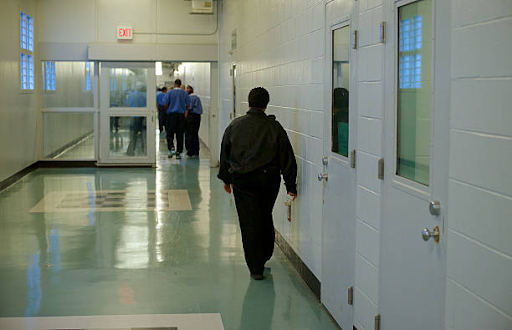
The United States carceral system holds millions of individuals across state and federal facilities. A significant portion of this population suffers from chronic medical conditions, mental illness, and substance use disorders. Securing adequate healthcare inside these secure environments remains a complex constitutional challenge today. The law mandates that correctional institutions must provide a basic standard of medical care to all residents. When the state deprives an individual of their liberty, it assumes total responsibility for their physical well-being. This comprehensive guide examines the legal frameworks, operational barriers, and clinical realities of prison medical systems.
Defining the Constitutional Right to Medical Care
The United States Constitution protects incarcerated individuals from cruel and unusual punishment. The Eighth Amendment serves as the foundational legal pillar for all carceral healthcare delivery. Prisons cannot legally ignore the serious medical needs of the people they confine. The landmark Supreme Court case Estelle v. Gamble established the modern legal standard for inmate care. The court ruled that deliberate indifference to serious medical needs violates constitutional protections. The table below traces the key legal milestones that define inmate healthcare rights.
| Historical Legal Milestone Case | Year of Decision | Core Judicial Doctrine Established |
| Estelle v. Gamble Landmark Case | 1976 | Defines deliberate indifference as an Eighth Amendment violation |
| Brown v. Plata Structural Order | 2011 | Forces overcrowding reduction to fix severe medical deficiencies |
| Bowring v. Godwin Appeals Ruling | 1977 | Extends the constitutional right of care to psychiatric needs |
| DeShaney v. Winnebago Decision | 1989 | Affirms state custody creates an absolute duty to protect |
Navigating the Initial Medical Intake Screening
The healthcare pipeline begins the moment a new resident arrives at the facility reception center. Correctional officers and nurses conduct an immediate medical intake screening within the first twenty four hours. This process identifies urgent health risks, infectious diseases, and immediate suicide threats. Staff review the individual's prescription history and log active medication needs into the electronic database. This screening prevents the dangerous disruption of critical treatments for conditions like diabetes or HIV. The list below highlights the mandatory components of a standard prison intake health assessment:
- A comprehensive visual check for signs of physical trauma or recent injuries.
- A formal mental health evaluation to flag immediate self harm or suicide risks.
- A diagnostic screening for communicable infections like tuberculosis and hepatitis C.
- A detailed inventory of current prescription medications and assistive medical devices.
- A collection of baseline vital signs including blood pressure and heart rate.

Understanding the Chronic Care Clinic Model
Prisons manage long term illnesses through specialized operational tracks called chronic care clinics. These clinics monitor residents with permanent conditions such as asthma, hypertension, and chronic kidney disease. Patients receive scheduled appointments every three to six months for routine diagnostic testing. Regular monitoring reduces the frequency of acute medical crises inside the housing units. It allows facility doctors to adjust medication dosages before severe complications develop. The table below lists the primary chronic care categories managed within state repositories.
| Chronic Disease Category | Common Clinical Monitoring Tool | Primary Therapeutic Goal |
| Diabetes Mellitus Track | Quarterly hemoglobin A1C blood testing | Prevention of diabetic neuropathy and blindness |
| Cardiovascular Diseases | Regular blood pressure checks and lipid panels | Reduction of sudden stroke and heart attack risks |
| Chronic Respiratory Illness | Periodic spirometry and lung function tracking | Prevention of acute asthma attacks and failure |
| Infectious Viral Conditions | Viral load counts and liver enzyme assessments | Suppression of viral replication and organ damage |
Managing Mental Health Services Behind Bars
The American carceral complex currently functions as the largest mental health provider in the nation. Severe psychiatric disorders impact a vast percentage of the total incarcerated population. State facilities must operate extensive mental health units to stabilize residents safely. Treatment options include psychiatric medication management, individual counseling, and group therapy sessions. However, severe staffing shortages frequently limit the frequency of these therapeutic interactions. The list below outlines the core mental health treatment pathways utilized inside prison compounds:
- Crisis stabilization housing for individuals experiencing acute psychotic breaks.
- Regular medication compliance checks conducted by licensed psychiatric nurses.
- Cognitive behavioral therapy groups focusing on anger management and coping skills.
- Specialized suicide watch protocols featuring continuous direct line observation.
- Comprehensive discharge planning to link transitioning residents with community clinics.
Addressing the Crisis of Staffing Shortages
The recruitment of qualified medical professionals remains a severe crisis for correctional agencies nationwide. High security environments, remote facility locations, and lower salary caps deter top tier clinicians. Many prisons operate with half of their nursing positions completely vacant for years. These chronic vacancies lead to dangerous delays in daily care delivery and medication distribution. Agencies rely heavily on expensive temporary travel nurses to fill critical scheduling gaps. The table below outlines the staffing challenges across different clinical specialties.
| Clinical Specialist Role | Average Vacancy Rate Category | Primary Operational Impact of Vacancy |
| Registered Nursing Staff | Extremely high vacancy rates | Delays in daily pill lines and sick call screening |
| Staff Psychiatrists | High vacancy rates nationwide | Extended wait times for vital psychotropic adjustments |
| Primary Care Physicians | Moderate to high vacancy levels | Increased reliance on outside emergency room transfers |
| Licensed Dental Clinicians | Moderate vacancy rates | Long backlogs for basic extractions and pain care |
Processing the Daily Sick Call Request Form
Inmates request non-emergency medical care by filing a written document called a sick call slip. Residents drop these paper forms into secure collection boxes located inside the housing blocks. Triage nurses clear the boxes daily to evaluate the urgency of each request. The facility schedules an in person evaluation based on the severity of the reported symptoms. Many departments charge inmates a small co-payment fee for initiating these sick call visits. The list below details the standard steps an inmate must take to access routine medical evaluations:
- Obtain an official printed sick call request form from the unit officer.
- Detail the specific physical symptoms and the duration of the illness clearly.
- Deposit the completed slip into the designated medical mailbox before lockup.
- Attend the scheduled triage appointment when the officer calls the medical movement.
- Pay the mandatory institutional co-payment fee from the inmate trust account.
Navigating Private Corporate Healthcare Contracts
Many state governments outsource their entire prison medical operations to private healthcare corporations. Companies like Wellpath, Centurion, and YesCare sign multi million dollar contracts to manage facility clinics. Proponents argue that privatization reduces state spending and increases administrative efficiency. However, civil rights organizations actively criticize the private carceral healthcare model. Critics argue that the desire for profit can create structural incentives to deny expensive treatments. The list below highlights the systemic concerns raised by the privatization of prison medical services:
- High rates of staff turnover due to lower corporate benefit packages.
- Frequent denials of referrals to outside specialty doctors for advanced care.
- Extended delays in ordering expensive diagnostic testing like MRIs or CT scans.
- Increased litigation from families regarding wrongful death and medical neglect.
- Limited public transparency due to corporate exemption from standard record laws.

Ensuring Infectious Disease Control and Quarantine Protocols
The crowded, poorly ventilated nature of prison dormitories creates a perfect breeding ground for infectious pathogens. Outbreaks of influenza, norovirus, and MRIs can sweep through a facility within days. Medical departments must enforce rigid infection control policies to protect the broader compound population. When a contagious outbreak occurs, clinicians implement strict medical isolation and quarantine protocols. Staff suspend all educational classes, visitation blocks, and recreational yard movements to contain the spread. This restriction protects public health but increases the psychological stress of the residents.
Managing the Complexities of Geriatric Inmate Care
The average age of the United States prison population is rising at an unprecedented rate. Harsh sentencing laws from past decades have created a massive cohort of elderly inmates. Aging bodies deteriorate faster behind bars due to the stressful nature of carceral environments. Facilities must modify their physical structures to accommodate wheelchairs, walkers, and hospital beds. Correctional officers require specialized training to manage elderly residents who suffer from advanced dementia and Alzheimer's disease. The list below outlines the specialized care adaptations required for geriatric inmate populations:
- Installation of physical grab bars and non-slip mats in communal shower blocks.
- Creation of dedicated assisted living units featuring twenty four hour nursing aides.
- Modification of dietary menus to provide soft foods and low sodium nutrition options.
- Provision of orthopedic mattresses for individuals with severe spinal degeneration.
- Establishment of compassionate release tracking systems for terminally ill patients.
Overcoming Obstacles to Dental and Vision Care
Dental and vision services are essential components of the constitutional mandate for carceral healthcare. Tooth decay and uncorrected vision issues cause chronic pain and hinder educational advancement inside the facility. However, these specialties frequently face the longest administrative backlogs. Inmates often wait over a year for a basic tooth extraction or a simple eye examination. Access to corrective eyeglasses requires clear verification of a significant visual impairment. The table below tracks the standard service limitations enforced within carceral dental and vision clinics.
| Specialized Service Type | Standard Institutional Limitation | Primary Clinical Exception Rule |
| Routine Dental Cleaning | Rarely provided due to high backlogs | Allowed if severe periodontal disease compromises health |
| Tooth Extraction Procedure | Primary treatment method for decay | Root canals allowed only for extreme front tooth trauma |
| New Eyeglass Distribution | Limited to plain plastic frames | Transition lenses permitted only for documented eye diseases |
| Cataract Surgery Treatment | Delayed until vision drops severely | Authorized immediately if bilateral blindness risks occur |
Utilizing Telehealth Systems to Expand Medical Reach
Telehealth technology has revolutionized the delivery of medical care inside remote rural prisons. This system connects inmates with urban medical specialists via secure, high definition video lines. A resident can consult with a cardiologist or neurologist without leaving the secure perimeter of the prison compound. Telehealth eliminates the massive security risks and transportation costs associated with moving high risk inmates to outside hospitals. It allows facilities to secure expert clinical opinions quickly during complex diagnostic puzzles. This digital approach expands care access while preserving public safety parameters.
The list below highlights the operational advantages of implementing prison telehealth systems:
- Eliminates the need for armed correctional escorts during routine specialist consultations.
- Reduces the physical trauma of long distance transport for frail or disabled patients.
- Accelerates access to specialized dermatological and psychiatric evaluations significantly.
- Allows outside doctors to view electronic health records and vitals in real time.
- Lowers the total fuel and vehicle maintenance costs for the state transport fleet.

Protecting the Privacy of Inmate Medical Records
Incarcerated individuals retain specific privacy rights regarding their personal health data under federal law. The Health Insurance Portability and Accountability Act applies to correctional medical clinics. Staff must secure the digital medical files to prevent unauthorized access by non medical personnel. Correctional officers cannot legally read an inmate's clinical chart without an explicit security justification. Medical staff must conduct examinations inside private clinic rooms rather than open dayrooms whenever possible. Maintaining this privacy builds trust between the patient and the healthcare provider.
Managing Substance Use Disorder and Detoxification Tracks
A vast majority of individuals entering the justice system struggle with active substance use disorders. Sudden withdrawal from alcohol or opioids during the initial booking phase can become fatal if unmanaged. Medical departments operate specialized detoxification units to monitor patients during the critical first week. Modern prisons are increasingly adopting Medication Assisted Treatment programs to combat opioid dependency long term. Inmates receive daily doses of FDA approved medications like buprenorphine or methadone under direct nursing supervision. This treatment reduces cravings, lowers inside overdose rates, and supports long term sobriety goals.
The list below outlines the core pillars of an effective carceral substance use treatment track:
- Continuous clinical monitoring of vital signs using standardized withdrawal scales.
- Immediate administration of life saving reversal agents like naloxone during active overdoses.
- Integration of daily medication regimens with intensive behavioral counseling groups.
- Provision of peer support mentors who encourage recovery inside the housing units.
- Distribution of a multi week supply of addiction medications on the day of public release.
Navigating Emergency Medical Transfers and Outside Hospitalization
When an acute medical crisis exceeds the capability of the prison clinic, staff initiate an emergency transfer. Conditions like severe gunshot wounds, active heart attacks, or major strokes require immediate civilian trauma care. The facility contacts local ambulance services to move the patient to the nearest public hospital. Emergency transfers require intensive coordination between the medical department and the security division. Armed officers must accompany the inmate at all times while they reside in the civilian hospital room. The table below traces the operational steps of an emergency carceral medical transfer.
| Emergency Transfer Phase | Action Conducted by Institutional Teams | Primary Security or Clinical Goal |
| Triage Declaration | The shift nurse identifies a life threatening crisis | Initiates the immediate call for outside medical transport |
| Security Mobilization | The lieutenant assigns two armed chase vehicle escorts | Prevents escape attempts during the public transit phase |
| Hospital Admittance | Staff secure the inmate to the civilian bed using restraints | Maintains physical control inside an unsecure public area |
| Continuous Guarding | Officers rotate shifts inside the hospital room around the clock | Ensures public safety until discharge paperwork clears |
Preparing for Medical Continuity During Public Reentry
True healthcare access involves ensuring a patient can maintain their medical stability after leaving prison. The days immediately following public release carry a high risk of accidental overdose and medical decompensation. Reentry planners must coordinate with medical staff to build a bridge to community care providers. Facilities supply transitioning individuals with a multi week supply of their vital prescription medications upon release. Staff assist residents with filing applications for state Medicaid benefits before they walk through the front gates. Linking individuals with community clinics reduces recidivism rates and protects public health structures.
Conclusion
Securing adequate healthcare access for individuals inside United States prisons remains one of the most critical civil rights challenges of our generation. The intersection of the Eighth Amendment mandate with a rapidly aging carceral population strains thin institutional budgets and understaffed clinical teams. From the initial medical intake screening to the complex execution of emergency outside hospital transfers, departments of corrections face endless logistical hurdles. The widespread privatization of carceral clinics introduces intense debates regarding profit motives versus patient outcomes, highlighting the need for continuous public oversight.
Telehealth platforms offer an innovative pathway to expand specialist reach, yet they cannot fully substitute for a stable, physical nursing presence on the ground. As thousands of individuals prepare for public reentry each year, securing immediate medical continuity via Medicaid linkages is essential to reduce accidental overdose rates. True public safety requires that we uphold the constitutional dignity of incarcerated patients by treating their serious illnesses with professional competence. By investing heavily in trauma informed mental health units, robust addiction treatments, and transparent clinical standards, we honor our legal obligations. Ultimately, protecting the physical health of the incarcerated population strengthens the broader community and builds a more just, humane society for all.
Frequently Asked Questions About Prison Healthcare
Can an inmate refuse to take medication prescribed by a prison doctor?
Yes, legally competent inmates retain the constitutional right to refuse any medical treatment or prescription medication. Staff document the refusal using an official legal release form to protect the agency from future liability. However, the facility can initiate involuntary medication protocols if a judge declares the individual a danger to themselves.
What happens if a family member discovers an inmate is receiving poor medical care?
Family members can advocate for their loved one by filing formal complaints with the facility health services administrator. You can contact the department's central ombudsman office or file an emergency grievance track. If institutional neglect continues to threaten life, families should contact a civil rights attorney to seek court intervention.
Do inmates have to pay money out of pocket to see a prison doctor?
Most state agencies charge a small co-payment fee, typically between two and five dollars, for student initiated sick call visits. The system deducts this money directly from the individual's personal commissary trust account. However, facilities never deny emergency life saving care if an inmate lacks funds and carries an indigent financial status.
How do prisons handle pregnancy and prenatal care for incarcerated women?
Prisons must provide comprehensive prenatal care, regular obstetrician evaluations, and specialized nutritional supplements to pregnant women. The actual delivery of the child occurs at an outside civilian hospital, not inside the prison complex. Most states now legally ban the use of physical shackles on women during active labor and delivery stages.
Are experimental medical treatments or clinical trials permitted inside US prisons?
Federal regulations strictly limit the participation of incarcerated individuals in experimental medical research or clinical trials. This restriction protects a vulnerable population from historical patterns of exploitation and forced medical testing. Any research involving prisoners must undergo intensive review by specialized human subject protection boards.
How can a family member verify if an inmate received their daily medications?
Due to federal HIPAA privacy regulations, medical staff cannot disclose specific health details to family members without a signed release form. The incarcerated individual must sign an official medical information disclosure authorization listing your specific name. Once the clinic logs this document, the administrator can answer your specific medication questions.
Related Articles
More from the blog
Published articles selected by matching category, then the latest published.
 Medical CareMental Health Services Available for Incarcerated IndividualsA comprehensive guide to mental health services available for incarcerated individuals, covering legal rights, intake screening, crisis intervention, therapy options, and reentry planning.
 Medical CareHow to Report Medical Neglect in Correctional FacilitiesA complete step-by-step guide on how to report medical neglect in correctional facilities. Learn how to document neglect, navigate prison grievances, engage outside advocates, and take legal action.
 Medical CareUnderstanding Prisoners' Rights to Medical CareA comprehensive guide explaining prisoners' constitutional rights to medical care. Learn about Eighth Amendment protections, deliberate indifference standards, covered treatments, and how to challenge medical neglect.
Find forms, resources and support
Explore court-ready forms, the resource directory, or contact us for help with a similar issue.