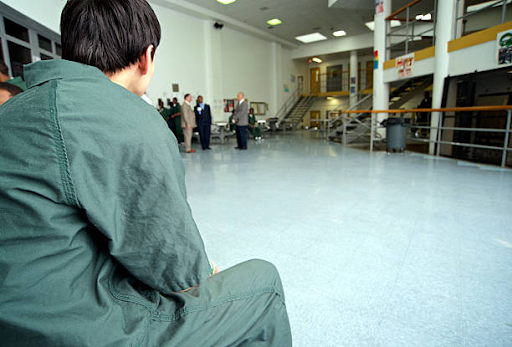
The United States carceral system holds millions of people across local, state, and federal institutions. A massive portion of this population struggles with severe psychiatric conditions. Today, jails and penitentiaries function as the largest mental health providers in the nation. This reality presents immense operational, ethical, and legal challenges for correctional agencies. The law requires institutions to provide adequate psychiatric care to all residents. When the state deprives citizens of physical freedom, it assumes total responsibility for their medical safety. This comprehensive guide details the structural frameworks, therapeutic tracks, and clinical realities of prison mental health systems.
Defining the Constitutional Right to Psychiatric Treatment
The United States Constitution protects incarcerated individuals from cruel and unusual punishments. The Eighth Amendment serves as the primary legal shield for all prison healthcare operations. Correctional facilities cannot legally ignore severe mental health crises or withhold necessary medications. The federal courts utilize a strict legal standard called deliberate indifference to judge prison operations. An inmate must prove that staff knew about a severe psychiatric risk but chose to ignore it. The table below traces the landmark judicial decisions that established inmate mental health rights.
| Landmark Court Decision | Year of Ruling | Core Psychiatric Doctrine Established |
| Estelle v. Gamble | 1976 | Rules that deliberate indifference to serious medical needs breaks the law |
| Bowring v. Godwin | 1977 | Extends the constitutional right of basic medical care to psychiatric needs |
| Ruiz v. Estelle | 1980 | Mandates separate housing blocks and screening for severe mental illness |
| Brown v. Plata | 2011 | Forces overcrowding reductions to stop systemic psychiatric neglect |
Navigating the Initial Mental Health Intake Screening
The psychiatric care pipeline begins the moment an individual enters a reception facility. Nurses and counselors conduct an immediate mental health intake screening within the first twenty-four hours. This process identifies urgent self-harm risks, active psychosis, and historical medication needs. Staff review external medical dockets and log active prescriptions into the institutional database. This initial check prevents the dangerous disruption of daily stabilizing drug routines. The list below highlights the mandatory components of a standard prison intake psychiatric assessment:
- A formal evaluation of current suicide risk factors and historical self-harm attempts.
- A comprehensive review of all past psychiatric diagnoses and hospital admissions.
- An inventory of current psychotropic medications and required dosage frequencies.
- A visual assessment for signs of drug withdrawal, severe anxiety, or cognitive delays.
- An immediate referral to crisis housing if the individual displays active psychosis.
Understanding the Severe Crisis of Chronic Understaffing
The recruitment of qualified mental health professionals remains a severe crisis for correctional agencies. High-security environments, remote facility locations, and lower salary caps deter top-tier clinicians. Many state prisons operate with over half of their institutional psychologist positions completely vacant.
These chronic vacancies lead to dangerous delays in individual therapy and routine medication checks. Agencies rely heavily on expensive contract telepsychiatry firms to fill scheduling gaps. The table below outlines the staffing challenges across different carceral mental health specialties.
| Psychiatric Specialist Role | National Vacancy Level Category | Primary Operational Impact of Vacancy |
| Clinical Psychologists | Extremely high vacancy rates | Total elimination of weekly individual talk therapy sessions |
| Staff Psychiatrists | High vacancy levels nationwide | Extended wait times for vital psychotropic medication adjustments |
| Licensed Clinical Social Workers | Moderate to high vacancy levels | Massive backlogs in daily intake screenings and file reviews |
| Psychiatric Nursing Staff | Severe vacancy rates across states | Dangerous delays in daily evening pill distribution lines |

Operating the Institutional Crisis Stabilization Unit
When an inmate experiences an acute psychotic break, staff move them to a specialized unit. The Crisis Stabilization Unit functions as an inpatient psychiatric ward inside the secure prison perimeter. These units feature constant direct-line visual observation from trained medical teams. The main goal involves stabilizing the individual through immediate medication adjustments and intensive monitoring. The rooms lack standard fixtures to prevent residents from manufacturing items for self-harm. The list below details the unique structural safety features found within carceral stabilization cells:
- Recessed, shatterproof lighting fixtures that prevent the creation of sharp glass edges.
- Anti-ligature sink and toilet units made of seamless industrial stainless steel.
- Heavy security doors featuring large panoramic observation panels for clear viewing.
- Integrated floor drainage systems to prevent intentional cell flooding events.
- Specialized fire-retardant safety blankets that resist tearing or braiding attempts.
Implementing Cognitive Behavioral Therapy Group Modules
Prisons manage long-term psychiatric conditions primarily through structured group therapy programs. Cognitive Behavioral Therapy modules help residents identify the exact thought patterns that drive destructive actions. These small groups meet weekly inside educational blocks or chapel rooms. Licensed social workers guide participants through complex lessons regarding emotional regulation and conflict resolution. Group therapy maximizes thin staff resources by treating multiple patients simultaneously. The sessions teach inmates how to handle everyday institutional stressors without turning to physical violence.
Regulating the Daily Psychotropic Pill Line Distribution
Managing psychotropic medication distribution inside a maximum-security prison requires intense security protocols. Nurses distribute drugs like antidepressants, antipsychotics, and mood stabilizers during scheduled hours called pill lines. Inmates must stand in single-file lines under the direct watch of armed housing officers. Staff must ensure that patients actually swallow their pills rather than hiding them in their cheeks. Inmates sometimes attempt to save or sell their medications on the black-market yard network. The list below outlines the mandatory safety steps enforced during a standard prison pill line:
- The inmate must display their official photo identification card to the logging clerk.
- The nurse drops the liquid or crushed pill formulation into a disposable paper cup.
- The patient must drink water and open their mouth wide for a visual inspection.
- The officer checks under the tongue and along the gum lines with a flashlight.
- The clerk logs the successful medication compliance entry into the computer database.
Managing Mental Health Care Inside Solitary Confinement
Administrative segregation involves locking an inmate in an isolated cell for twenty-three hours a day. While prisons use solitary confinement for discipline, federal judges monitor its application closely. Extended isolation causes severe, irreversible psychological damage to the human brain. The law prohibits facilities from placing severely mentally ill individuals into long-term isolation cells. Staff must conduct daily wellness checks on segregated inmates to evaluate their current emotional stability. If an isolated inmate shows signs of extreme cognitive decay, the doctor must order an immediate transfer.
Addressing the Heavy Stigma of Seeking Help on the Yard
The traditional prison environment forces men to project an image of absolute hardness. Inmates hide their fears and vulnerabilities to avoid looking weak to compound predators. This survival mindset creates a massive barrier for individuals who require psychiatric assistance. Seeking help from mental health teams can cause an inmate to face intense ridicule or gang rejection. Progressive facilities build private triage clinics away from the main housing units to protect patient privacy. Overcoming this internal shame remains an essential step for achieving true psychological recovery.

Navigating Private Corporate Correctional Healthcare Contracts
Many state departments of corrections outsource their entire psychiatric operations to private corporations. Massive firms sign lucrative multi-year contracts to manage institutional clinics, pharmacies, and therapy schedules. Proponents claim that privatization reduces taxpayer spending and streamlines clinical hiring tracks. However, civil rights advocacy groups monitor these corporate contracts with intense scrutiny. Critics present evidence showing that profit motives can lead to the denial of expensive psychiatric medications. The table below contrasts the features of public agency management versus private corporate healthcare models.
| Management System Type | Primary Operational Strength | Main Structural Risk Factor |
| Public State Agency Model | High administrative transparency and file access | Slow hiring processes due to civil service caps |
| Private Corporate Contractor | Rapid deployment of temporary travel staff | Corporate incentive to cut costs on expensive drugs |
Utilizing Telepsychiatry to Overcome Geographical Isolation
Telepsychiatry technology has transformed the delivery of mental health services inside rural penitentiaries. This system connects inmates with urban psychiatrists via secure, high-definition interactive video networks. A resident can receive an expert medication review without leaving their high-security housing complex. Telepsychiatry eliminates the immense security risks and transport costs associated with moving high-risk inmates to community hospitals. It allows thin clinical teams to manage massive caseloads across multiple separate facilities simultaneously. This digital approach expands access to specialists while preserving public safety boundaries.
The list below highlights the clinical benefits of utilizing prison telepsychiatry networks:
- Accelerates access to diagnostic evaluations during urgent mental health crises.
- Eliminates the physical trauma of long-distance transport for anxious patients.
- Allows outside specialists to review digital charts and vitals in real time.
- Protects community doctors from potential physical violence inside secure cells.
- Reductions in vehicle maintenance costs for state prisoner transport fleets.
Identifying the Signs of Institutionalization and Traumatic Stress
Serving a long prison sentence alters an individual's psychological makeup permanently. Clinicians refer to this deep behavioral adaptation as institutionalization or prisonization. Inmates become completely dependent on the facility's rigid daily routine to function. They lose the independent decision-making skills required to navigate civilian life successfully. Many prisoners also suffer from chronic post-traumatic stress disorder due to witnessing constant yard violence. Recognizing these hidden traumas is vital for designing effective pre-release counseling programs.
Structuring specialized Care for Developmentally Disabled Inmates
The Americans with Disabilities Act protects inmates who suffer from significant cognitive and developmental delays. Prisons cannot legally ignore or punish behaviors that stem directly from intellectual impairments. These individuals require specialized housing blocks separated from the general compound population. Staff must modify institutional rulebooks and disciplinary hearings to ensure disabled residents can participate fairly. Specialized social workers teach these vulnerable individuals basic daily survival and hygiene skills. Failing to provide reasonable accommodations violates federal civil rights statutes and triggers massive lawsuits.

Integrating Substance Use Treatment with Mental Health Care
A vast majority of prison residents suffer from co-occurring mental health and substance use disorders. Clinicians refer to this combination as a dual diagnosis profile. Treating one condition while ignoring the other invariably leads to programmatic failure and rapid recidivism. Progressive institutions operate integrated treatment tracks that address addiction and psychiatric trauma simultaneously. Inmates receive Medication-Assisted Treatment alongside intensive behavioral counseling inside dedicated therapeutic wings. This holistic approach supports stable recovery goals and prepares individuals for successful public reentry.
The list below outlines the core pillars of an effective dual diagnosis prison program:
- Simultaneous tracking of addiction triggers and underlying psychiatric trauma events.
- Joint scheduling of medical detoxification steps with clinical psychiatric stability checks.
- Distribution of FDA-approved recovery medications under strict nursing oversight.
- Small peer-support circles that encourage sobriety inside residential living blocks.
- Automated enrollment in community treatment clinics on the exact day of release.
Managing the Difficult Transition to Public Reentry Networks
The days immediately following public release present the highest risk for psychological collapse and accidental drug overdose. Transitioning citizens suddenly face the overwhelming demands of finding housing, securing employment, and managing budgets. Without immediate continuity of care, many individuals destabilize and return to criminal behavior. Reentry planners must build a solid operational bridge between the prison clinic and community providers. Staff assist inmates with submitting Medicaid enrollment forms months before their official discharge date. The facility supplies the individual with a multi-week cache of vital medications when they walk through the gates.
Utilizing Public Records to Audit Correctional Mental Health Budgets
State departments of corrections spend millions of taxpayer dollars on psychiatric care services annually. Citizens can access these line-item expenditure files by submitting requests under public records laws. Auditing these documents allows civil rights organizations to ensure agencies use funds properly. Transparency forces transparency and holds public officials accountable for maintaining humane conditions behind bars. It exposes situations where facilities spend cash on security gear while cutting therapeutic counseling positions. Informed public oversight remains the most effective tool for driving true institutional reform.
Conclusion
The execution of effective mental health services inside American correctional facilities remains an essential component of human dignity and public safety. While the Eighth Amendment establishes an absolute mandate for humane psychiatric care, severe staffing shortages and systemic overcrowding continuously strain institutional resources. From the initial intake screening to the intense isolation of crisis stabilization units, clinical teams face immense daily hurdles. The widespread privatization of carceral healthcare introduces complex debates regarding profit motives versus patient welfare, emphasizing the need for transparent public audits. Telepsychiatry systems offer an innovative pathway to expand specialist reach across remote rural compounds, yet they cannot substitute for a stable nursing presence on the tier.
As thousands of individuals prepare for public reentry each year, securing immediate continuity of care via community Medicaid linkages remains critical. True rehabilitation requires that we treat underlying psychiatric trauma with professional competence rather than simple punitive isolation. By investing heavily in dual diagnosis programs, developmental disability accommodations, and comprehensive therapy tracks, we honor our constitutional values. Ultimately, protecting the mental health of the incarcerated population reduces institutional violence and supports successful reintegration into the free world.
Frequently Asked Questions About Prison Mental Health Services
Can a prison force an inmate to take psychiatric medications against their will?
Under normal operating conditions, competent inmates retain the constitutional right to refuse any medical treatment. Staff cannot inject an individual with psychotropic drugs simply to make them easier to manage. However, the facility can bypass this rule during extreme emergencies if a medical panel declares the inmate an immediate danger to themselves or others.
What should family members do if an inmate experiences a severe psychiatric crisis?
Families must act as proactive external advocates if a loved one experiences a mental health breakdown. Contact the facility's health services administrator or the duty chaplain immediately to request a welfare check. Provide the supervisor with the inmate's full legal name, identification number, and historical psychiatric records to expedite clinical placement.
Are prison mental health records completely confidential from correctional officers?
Prison medical clinics must follow federal privacy guidelines, but security concerns can limit absolute confidentiality inside cell blocks. Housing officers can access specific mental health alerts, such as active suicide watch statuses or violence propensity flags. However, guards cannot legally read the detailed narrative text notes compiled by an inmate's personal therapist.
How do jails handle the detoxification phase for incoming alcoholic inmates?
Jails operate specialized medical detoxification cells to monitor incoming individuals during the critical first week of withdrawal. Severe alcohol withdrawal can cause fatal seizures and delirium tremens if left unmanaged by professionals. Nurses track patient vitals continuously using standardized clinical scales and administer stabilizing sedatives to ensure survival.
Do inmates have to pay a co-payment fee to access emergency mental health care?
Correctional facilities never charge co-payment fees for emergency psychiatric interventions, crisis housing placement, or suicide watch protocols. Jails and state prisons only apply standard co-payments to routine, inmate-initiated sick call requests for minor issues. Indigent individuals receive identical care regardless of the active balance in their trust accounts.
Can an inmate request an independent psychiatric evaluation from an outside doctor?
Inmates can request an independent evaluation if their family possesses the private financial resources to hire an outside specialist. The outside doctor must submit their credentials to the warden's office to secure security clearance before entering the complex. The facility review board evaluates the external doctor's final report but retains ultimate authority over treatment.
Related Articles
More from the blog
Published articles selected by matching category, then the latest published.
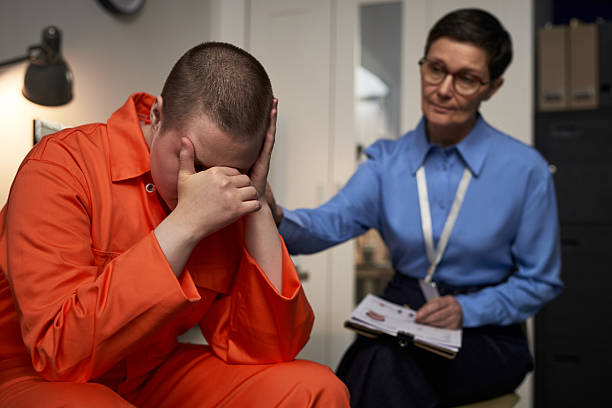 Medical CareMental Health Services Available for Incarcerated IndividualsA comprehensive guide to mental health services available for incarcerated individuals, covering legal rights, intake screening, crisis intervention, therapy options, and reentry planning.
 Medical CareHow to Report Medical Neglect in Correctional FacilitiesA complete step-by-step guide on how to report medical neglect in correctional facilities. Learn how to document neglect, navigate prison grievances, engage outside advocates, and take legal action.
 Medical CareUnderstanding Prisoners' Rights to Medical CareA comprehensive guide explaining prisoners' constitutional rights to medical care. Learn about Eighth Amendment protections, deliberate indifference standards, covered treatments, and how to challenge medical neglect.
Find forms, resources and support
Explore court-ready forms, the resource directory, or contact us for help with a similar issue.