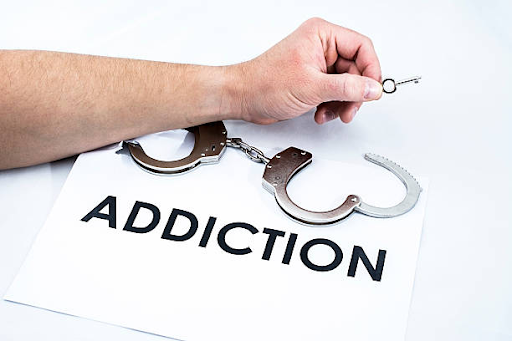
Breaking the cycle of substance abuse is a major victory. This battle becomes highly complicated inside a correctional facility. Drug dependence often leads directly to initial arrests across the country. It fuels high rates of repeat offenses if left untreated. True recovery requires strong personal dedication and structured support. Many individuals successfully find sobriety while serving their sentences. They maintain this clean lifestyle after returning to their communities. This article outlines effective pathways for overcoming substance abuse behind bars. It provides practical strategies for staying sober after your release. It highlights resources that help families navigate this intense journey safely.
Understanding the Reality of Institutional Substance Abuse
Substance abuse does not stop automatically at the prison gate. Contraband items manage to enter correctional facilities through various hidden channels. Inmates often face intense peer pressure to continue using drugs. The high-stress environment of prison creates a strong desire to escape reality. Using drugs behind bars carries extreme dangers for any inmate. Individuals face severe administrative penalties if guards catch them using. They can lose their visitation privileges or face solitary confinement. Contraband substances also lack any quality control or safety standards. This lack of regulation increases the risk of fatal overdoses inside cells.True recovery must begin with an honest acknowledgment of the problem. An individual must decide to change their life despite their surroundings. This internal decision forms the baseline for all future progress. Sobriety requires constant vigilance inside an institutional setting every day.
Enrolling in Residential Substance Abuse Treatment Programs
Many modern prisons offer formal rehabilitation programs for inmates. The Residential Substance Abuse Treatment program is a prime example. This federal initiative funds structured treatment blocks inside state facilities. Participants live together in a dedicated housing unit away from the general population. This separate housing creates a therapeutic community for residents. Inmates support each other through daily recovery exercises. They attend intensive group therapy sessions led by professional counselors. They learn to identify the root causes of their addictive behaviors clearly. Completing this program requires serious dedication from the participant. The courses usually last between six and twelve months. Participants must follow strict behavioral rules to remain in the program. Graduates often receive certificates that look favorable during parole board reviews.

Utilizing Twelve-Step Fellowships Behind Bars
Twelve-step programs offer a timeless framework for personal recovery. Alcoholics Anonymous and Narcotics Anonymous operate inside many correctional facilities. Volunteer community members lead these meetings weekly. They bring hope and guidance from the outside world into the prison. These meetings provide a safe space for honest self-expression. Inmates can share their struggles without facing judgment from staff. They learn from the experiences of older members who achieved long-term sobriety. The steps encourage individuals to take total accountability for their past actions. Working the steps helps repair deep internal damage over time. Participants write detailed moral inventories of their lives. They acknowledge their wrongs and plan to make amends where possible. This spiritual grounding provides strength during difficult moments of incarceration.
Accessing Medication-Assisted Treatment Options Inside
Modern medicine offers powerful tools to combat physical chemical dependence. Medication-Assisted Treatment utilizes approved prescription drugs to curb intense cravings. This approach combines behavioral therapy with clinical medical support. Facilities slowly expand access to these treatments for incarcerated populations. Medications like buprenorphine, methadone, and naltrexone help stabilize brain chemistry. They prevent painful withdrawal symptoms during the initial detox phase. This stabilization allows individuals to focus completely on their psychological counseling.
The table below outlines common medications used in institutional recovery programs.
Medication Name | Primary Target Substance | Clinical Method of Action |
Methadone | Opioids and Heroin | Reduces cravings and blocks withdrawal symptoms completely |
Buprenorphine | Opioids and Fentanyl | Activates opioid receptors partially to lower dependency |
Naltrexone | Opioids and Alcohol | Blocks euphoric effects of substances during a relapse |
Developing Cognitive Behavioral Coping Mechanisms
Addiction alters how the human brain processes stress and emotion. Negative thoughts often trigger a strong desire to use substances. Cognitive Behavioral Therapy helps individuals break this destructive mental cycle. Participants learn to recognize their specific personal triggers early. These triggers might include anger, loneliness, or institutional boredom. Once identified, individuals practice replacing negative behaviors with healthy coping strategies. They utilize deep breathing exercises, journaling, or physical workouts to manage stress. This mental training builds long-term psychological resilience. It teaches individuals that they cannot control their environment, but they can control their responses. This skill is vital for surviving the high-pressure environment of prison without turning to drugs.

Preparing a Comprehensive Sobriety Post-Release Plan
The day of release brings intense joy alongside massive relapse risks. Returning citizens face immediate exposure to old triggers and temptations. A detailed, written relapse prevention plan is essential for survival during this transition. This plan should detail exactly where the individual will live and work. It must list the contact information for local recovery resources. Individuals should identify positive support people they can call during moments of weakness. Having these choices made in advance prevents panic during a crisis.
The table below outlines the critical components of an effective reentry sobriety plan.
Planning Stage | Immediate Objective | Targeted Action Item |
First 24 Hours | Prevent immediate relapse | Move directly into a certified sober living home |
First 72 Hours | Establish medical continuity | Visit a local clinic to renew recovery prescriptions |
First 30 Days | Build a supportive network | Attend thirty recovery meetings in thirty days straight |
Navigating the High Risks of Sober Living Homes
Sober living homes offer an excellent transitional step for returning citizens. These facilities provide a substance-free environment with built-in accountability. Residents must submit to random drug screenings and follow strict curfews. However, not all sober living homes maintain high standards. Some operators focus entirely on profit rather than resident care. It is vital to research facilities thoroughly before choosing a home. Look for homes certified by the National Alliance for Recovery Residences. The list below highlights the core features of a high-quality sober living home:
- Presence of a live-in house manager who enforces rules fairly.
- Mandatory attendance at local recovery meetings or outpatient therapy.
- Zero-tolerance policies for substance use on the property.
- Clean communal living spaces that promote personal dignity.
- Clear structures for resolving conflicts between house residents.
Transitioning Healthcare Services Seamlessly to the Community
Continuity of care is a major hurdle during the reentry process. Individuals often receive medical treatments in prison that stop abruptly upon release. A sudden gap in medication can trigger a rapid relapse. Returning citizens must secure local medical care immediately. Many states offer expedited Medicaid enrollment for individuals leaving correctional facilities. This insurance covers the cost of ongoing addiction treatments and doctor visits.Local community health centers specialize in serving justice-involved individuals. They understand the unique challenges of reentry. They work quickly to transfer medical records from the prison system to ensure safety.
Healing Strained Family Relationships in Early Recovery
Addiction damages the entire family structure over time. Relatives often experience financial strain and emotional exhaustion from a loved one's substance use. Rebuilding these broken bonds requires immense patience. Families should establish clear boundaries early in the reentry process. Support should focus on the individual's recovery efforts rather than material demands. Loved ones can attend Al-Anon or Nar-Anon meetings to heal their own trauma. The list below outlines essential actions for rebuilding family trust during early sobriety:
- Acknowledge the past pain your addiction caused to family members.
- Allow relatives to express their feelings without becoming defensive.
- Maintain complete transparency about your daily schedule and finances.
- Invite family members to attend open recovery meetings with you.
- Focus on consistent, small daily actions rather than making grand promises.

Managing the Financial Stress of Early Sobriety
Financial anxiety is a powerful trigger for substance relapse. Returning citizens often face immediate debts upon release. These expenses include supervision fees, court restitution, and basic cost-of-living expenses. Creating a strict, transparent budget prevents financial panic. Individuals must prioritize essential needs like housing, food, and recovery costs. Avoid the temptation to chase quick, illegal money to solve financial problems. Opening a basic savings account helps individuals manage money responsibly. Seeking employment with fair-chance companies provides a steady, legal income trail. Financial security grows slowly through disciplined daily choices and hard work.
Building a Positive and Supportive New Peer Circle
Your social environment determines your recovery trajectory. Returning to old neighborhoods and associate groups often leads directly back to drug use. Individuals must cut ties with people who currently use or sell substances. Building a new peer circle requires active effort. Recovery meetings are the best place to find positive friends. These individuals understand your past struggles and share your goal of a healthy future. The list below details excellent environments for meeting supportive, sober peers:
- Local recovery clubhouses and community wellness centers.
- Faith-based organizations and neighborhood worship spaces.
- Volunteer groups focused on local community service projects.
- Fitness centers, running clubs, and recreational sports leagues.
- Adult education classrooms and vocational training workshops.
Overcoming the Psychological Stigma of Felony Records
Society often judges individuals harshly based on their past mistakes. Facing discrimination during housing and job hunts hurts personal dignity. This rejection can trigger feelings of worthlessness and depression. Internalizing this social stigma is dangerous for recovery. Individuals must separate their human worth from their past criminal record. Personal growth and rehabilitation prove your true character today. Therapy and support groups help dismantle these negative self-beliefs. Surrounding yourself with mentors who value your potential fosters self-esteem. Your past is a chapter in your book, not the whole story.
Utilizing Technology and Digital Recovery Applications
The modern digital world offers innovative tools to support sobriety. Smartphones can host numerous applications designed for addiction recovery. These tools provide instant support during moments of high stress. Many apps offer daily sobriety counters to track your progress visually. They include forums where you can chat anonymously with peers worldwide. Some apps feature panic buttons that instantly alert your support network during a craving.
The table below highlights popular digital tools utilized in modern addiction recovery.
| Application Category | Primary Feature | Core Benefit to User |
| Sobriety Trackers | Tracks clean days and financial savings | Boosts motivation through visible milestones |
| Community Forums | Connects users with global support networks | Reduces feelings of isolation during lonely hours |
| Mindfulness Apps | Provides guided meditation and breathing tasks | Lowers immediate anxiety and situational stress |
Navigating the Pressures of Supervision and Compliance
Parole and probation conditions dictate daily life after release. Supervision officers enforce rules regarding travel, employment, and drug testing. Compliance is mandatory for maintaining personal freedom. Random drug screens cause anxiety for many people in early recovery. View these tests as a tool for accountability rather than a threat. A clean drug test proves your dedication to your recovery plan. Maintain open, honest communication with your supervision officer. If you feel overwhelming cravings, ask them for additional treatment resources. Seeking help proactively shows maturity and a true desire to succeed.
Conclusion
Overcoming addiction within the prison system and maintaining sobriety after release is a monumental achievement. The journey requires a combination of behavioral therapy, medical support, and community accountability. Enrolling in institutional programs like RSAT and utilizing twelve-step fellowships builds a solid baseline for recovery. Post-release success relies heavily on safe housing, stable healthcare transitions, and positive peer circles. While triggers and social stigmas present ongoing challenges, returning citizens can successfully rebuild their lives. Sobriety restores personal health, stabilizes family units, and paves the way for a successful future. Every clean day represents a powerful step toward permanent freedom.
Frequently Asked Questions About Addiction Recovery
Can an inmate request substance abuse treatment while in prison?
Yes. Inmates can submit formal administrative requests to their institutional counselors or medical staff. Availability depends on the facility's budget and current waiting lists. Expressing a desire for treatment early increases your chances of securing a spot before your release date.
What should I do if a relapse occurs after my release?
You must act immediately to stop the slip from becoming a full downslide. Reach out to your sponsor, counselor, or a trusted family member right away. Do not hide the relapse from your parole officer. Being honest and seeking immediate treatment shows a commitment to correcting the mistake.
Are there free outpatient treatment programs available for returning citizens?
Yes. Many county health departments and non-profit organizations offer sliding-scale or entirely free treatment options. Federal grants often fund local clinics specifically to serve individuals reentering society from prison.
How does medication-assisted treatment affect parole compliance?
Using legally prescribed recovery medications does not violate parole conditions. You must provide official documentation of your prescription to your supervision officer immediately. Taking your medication as directed by a licensed doctor supports your legal compliance.
How can a person avoid triggers when returning to their old hometown?
Individuals should map out safe routes that avoid past drug corridors completely. Change your phone number immediately to block contact from old associates. Spend your free time in positive environments like libraries, community centers, and recovery meeting halls.
Related Articles
More from the blog
Published articles selected by matching category, then the latest published.
 Medical CareMental Health Services Available for Incarcerated IndividualsA comprehensive guide to mental health services available for incarcerated individuals, covering legal rights, intake screening, crisis intervention, therapy options, and reentry planning.
 Medical CareHow to Report Medical Neglect in Correctional FacilitiesA complete step-by-step guide on how to report medical neglect in correctional facilities. Learn how to document neglect, navigate prison grievances, engage outside advocates, and take legal action.
 Medical CareUnderstanding Prisoners' Rights to Medical CareA comprehensive guide explaining prisoners' constitutional rights to medical care. Learn about Eighth Amendment protections, deliberate indifference standards, covered treatments, and how to challenge medical neglect.
Find forms, resources and support
Explore court-ready forms, the resource directory, or contact us for help with a similar issue.