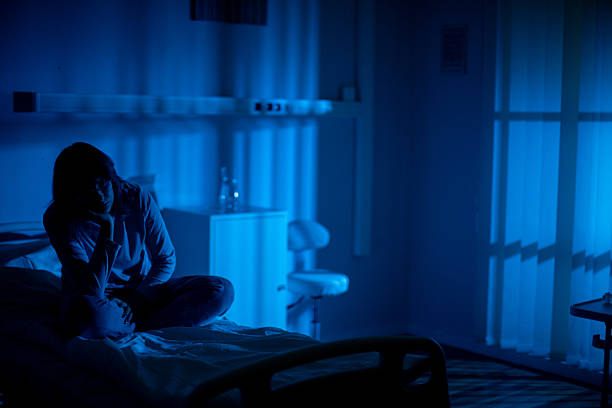
Sleep should serve as a safe sanctuary for physical recovery and emotional healing. However, for individuals navigating the intense pressures of a correctional environment, sleep is frequently haunted by vivid, terrifying nightmares. Recurring nightmares and stress-induced sleep disruptions are remarkably common behind bars. These distressing nocturnal episodes shatter the restorative power of rest, leaving individuals waking up drenched in sweat, anxious, and emotionally exhausted.
Understanding why nightmares occur during incarceration is the first step toward regaining control over your sleep. Nightmares are not random occurrences; they represent your brain's frantic attempt to process overwhelming housing unit stress, trauma, and hypervigilance. This comprehensive guide explores the neurological triggers behind nightmares and practical, evidence-based sleep management strategies to restore peaceful rest behind bars.
The Neuroscience of Nightmares and Trauma Processing
During normal Rapid Eye Movement (REM) sleep, the brain acts as an emotional processing machine. It reviews waking experiences, files away memories, and regulates emotional intensity. The amygdala (the brain's emotional threat center) and the hippocampus work together to process fear and stress safely within the theater of dreams.
However, when chronic trauma, high anxiety, and severe hypervigilance dominate waking life—as they do in a correctional environment—this natural processing system overloads. The amygdala remains hyperactive, flooding REM sleep with excessive emotional arousal. Instead of resolving stress, the sleeping brain gets trapped replaying threat scenarios, transforming normal emotional processing into vivid, terrifying nightmares.
Understanding this biological mechanism removes self-blame. Nightmares do not mean your mind is breaking down; they indicate that your nervous system is working overtime to process an abnormal amount of environmental stress. Supporting your nervous system during waking hours directly reduces nocturnal distress.
Common Correctional Triggers for Vivid Nightmares
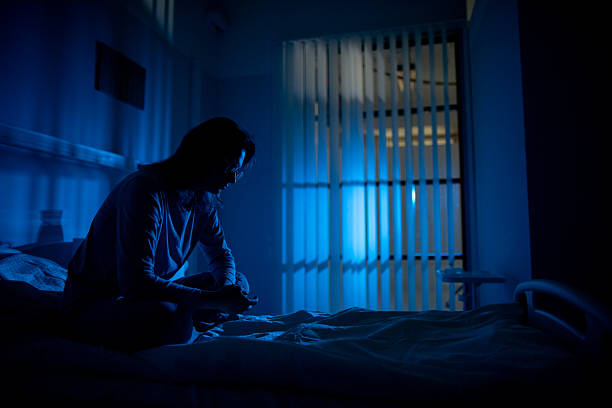
Nightmares during incarceration are sparked by a predictable set of psychological and environmental triggers. Identifying what specific factors fuel your bad dreams allows you to take targeted action to calm your nervous system before sleep.
Correctional environments provide a continuous stream of sensory inputs and psychological stressors that feed nightmare generation. Recognizing these triggers helps you isolate and address them proactively.
- Housing Unit Violence or Friction: Witnessing or anticipating conflict during the day creates high threat arousal that replays during REM sleep.
- Unresolved Guilt and Trauma: Suppressed memories of past crimes, court trials, or family tragedies often surface uninhibited in dreams.
- Fear of the Unknown: Persistent anxiety regarding parole boards, legal appeals, or long sentences fuels catastrophic dream narratives.
- Late-Night Sensory Disruptions: Sudden tier noises, slamming doors, and guard patrols jolt the brain during vulnerable sleep stages, often twisting into terrifying dream themes.
Establishing Pre-Sleep Nervous System Grounding
Because nightmares are heavily influenced by the emotional state of your nervous system immediately prior to sleep, your bedtime routine is critical. If you carry the day's stress, anger, or fear straight into your bunk, your sleeping brain will process that high-arousal state through nightmares.
Establishing a strict pre-sleep grounding ritual helps signal to your brainstem that you are temporarily safe. Shifting your nervous system from sympathetic fight-or-flight mode into parasympathetic rest-and-digest mode protects the quality of your upcoming sleep cycles.
- Emotional Brain-Dumping: Write down all lingering worries, frustrations, and stressors in your personal journal before lights out to clear mental static.
- Somatic Breath Control: Practice ten minutes of slow diaphragmatic breathing or box breathing while lying in your bunk to lower your heart rate.
- Sensory Grounding: Focus on calming tactile sensations, such as the comforting weight of your blanket or the rhythmic pattern of your breath.
- Avoid Aggressive Media: Refrain from discussing heavy topics, prison politics, or listening to stressful housing unit conversations right before sleep.
Cognitive Imagery Rehearsal Therapy (IRT)
One of the most clinically validated, evidence-based psychological treatments for recurring nightmares is Imagery Rehearsal Therapy (IRT). Originally developed for trauma survivors and combat veterans, IRT trains the brain to rewrite the scripts of recurring nightmares while fully awake.
When you neutralize a recurring nightmare during waking hours, you weaken the neurological pathway that triggers the terror in your sleep. Over time, your brain adopts the new, non-threatening version of the dream script, stopping the nightmare cycle.
The table below outlines the step-by-step process of implementing Imagery Rehearsal Therapy in your cell.
IRT Step | Practical Execution Action | Psychological Objective |
1. Journaling the Dream | Write down the recurring nightmare in detail upon waking up | Externalize the dream narrative and strip away its immediate terror |
2. Rewriting the Script | Change the ending or plot of the dream to something neutral or positive | Re-engineer the neural pathway to remove threat arousal |
3. Mental Rehearsal | Vividly visualize your rewritten dream script for 5 minutes during the day | Train your waking brain to accept the new, safe dream narrative |
Optimizing Cell Sleep Hygiene to Reduce Nightmares
Environmental factors heavily influence the depth and volatility of your sleep. Poor sleep hygiene leads to fragmented REM cycles, which heighten the vividness and emotional intensity of bad dreams. Making small, practical adjustments to your cell environment supports stable, uninterrupted sleep architecture.
While you cannot alter facility architecture, you can control your immediate sleeping habits. Maintaining consistent biological routines protects your nervous system against excessive sleep agitation.
- Maintain Consistent Sleep Schedules: Go to sleep and wake up at the exact same time daily to regulate your circadian rhythms.
- Manage Evening Hydration: Reduce fluid intake two hours before bed to prevent nocturnal bathroom trips from disrupting vulnerable REM windows.
- Block Intrusive Light and Noise: Use folded cloths or makeshift eye masks to shield harsh security lighting that triggers micro-arousals.
- Avoid Heavy Late-Night Foods: Refuse sugary commissary snacks before bed, as blood sugar spikes disrupt sleep stages and provoke intense dreams.

Grounding Techniques for Waking From a Nightmare
Waking up abruptly from a terrifying nightmare in a prison cell can be intensely disorienting. Heart racing, cold sweat, and residual fear often make it difficult to determine where the dream ends and reality begins. Having an immediate grounding plan prevents panic from escalating.
When a nightmare startles you awake, do not lie passively in the dark letting your imagination run wild. Take deliberate, physical control of your immediate surroundings to anchor your mind back in safety.
- Turn on Your Reading Light: Illuminate your immediate cell space instantly to shatter the lingering shadows and visual residue of the dream.
- Engage the 5-4-3-2-1 Sensory Method: Name five visible objects, four things you can touch, three sounds, two smells, and one taste to anchor in reality.
- Drink Cool Water: Sip slowly from your cup to reset your swallowing reflex and cool your nervous system.
- Practice Slow Exhales: Breathe in for four seconds and exhale slowly for eight seconds to drop your elevated heart rate.
Conclusion
Nightmares during incarceration are exhausting and disruptive, but they do not have to control your sleep. By understanding the neurological roots of trauma processing, implementing pre-sleep grounding routines, and utilizing Imagery Rehearsal Therapy, you can actively retrain your mind. Environmental walls may restrict your daily freedom, but your internal sleep sanctuary can be reclaimed through discipline and mental tools. Restoring peaceful sleep provides the vital emotional strength required to endure hardship and achieve lifelong rehabilitation.
Frequently Asked Questions
Why do nightmares become so frequent and intense during incarceration?
Chronic housing unit stress, hypervigilance, and unresolved trauma keep the brain's threat center hyperactive, turning normal REM dream processing into vivid nightmares.
Are nightmares a sign of psychological weakness or mental instability?
No. Nightmares are a normal biological stress adaptation to an abnormal, high-pressure environment, reflecting an overloaded emotional processing system.
What is Imagery Rehearsal Therapy, and how does it stop nightmares?
IRT is a clinically proven method where you write down a recurring nightmare during the day, rewrite its ending positively, and visualize the new script to retrain your brain.
How can I stop a nightmare from waking me up in complete panic?
Practicing pre-sleep breathing exercises, journaling your worries, and keeping your cell environment calm helps lower nervous system arousal before bed.
What should I do immediately after waking up from a terrifying nightmare?
Turn on your light, sit up, sip cool water, and use grounding techniques like the 5-4-3-2-1 sensory method to anchor your mind back in waking reality.
Can bad diet or commissary snacks provoke bad dreams?
Yes. Consuming heavy, sugary, or caffeinated foods late in the day causes blood sugar fluctuations and digestive distress that disrupt REM sleep and trigger intense dreams.
Why do nightmares often feature people or events from my past?
The sleeping brain attempts to resolve unresolved emotional conflicts, guilt, or trauma by pulling historical memories into current stress-processing loops.
Is it safe to try to change my dreams while I am asleep?
Becoming lucid in a dream requires advanced skill, but practicing IRT during waking hours is a safe, highly effective way to alter recurring dream plots.
How long does it take for Imagery Rehearsal Therapy to work?
Consistent daily mental rehearsal of your rewritten dream script typically reduces the frequency of recurring nightmares within two to three weeks.
When should I seek professional mental health help for nightmares?
If nightmares cause chronic insomnia, severe daytime panic, or thoughts of self-harm, submit a mental health sick-call slip to consult professional staff immediately.
Legal information
Related Articles
More from the blog
Published articles selected by matching category, then the latest published.
 ArticlePreventing Stress and Burnout Among Correctional Officers: Evidence-Based Workplace Wellness StrategiesDiscover evidence-based wellness strategies for correctional officers to prevent burnout, manage trauma, and maintain mental resilience in prison work.
 ArticleIdentifying Mental Health Warning Signs in Inmates: Essential Knowledge for Correctional OfficersDiscover essential mental health warning signs for correctional officers to identify distress, recognize suicide risk, and maintain prison safety.
 ArticleManaging Verbal Aggression in Prison: Professional Responses That Prevent Conflict EscalationDiscover professional strategies for correctional staff to manage verbal aggression, avoid ego-driven traps, and prevent conflict escalation in prison.
Find forms, resources and support
Explore court-ready forms, the resource directory, or contact us for help with a similar issue.