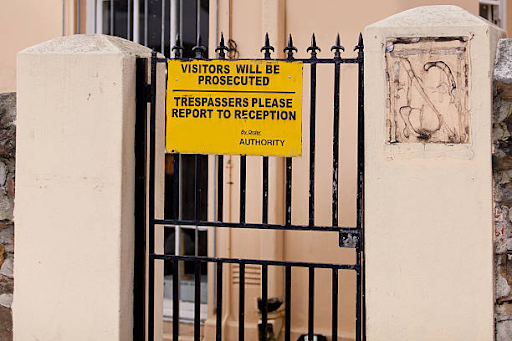
Visiting an incarcerated loved one requires careful preparation and strict compliance with regulations. Correctional facilities enforce complex visitation policies to maintain institutional safety and security. Every state department of corrections and federal prison system maintains its own administrative guidelines. A single oversight can result in a turned-away visitor or a suspended visiting privilege.
Understanding the visitation process helps families maintain vital connections with incarcerated relatives. Visitors must navigate pre-approval applications, background checks, dress codes, and security searches. This comprehensive guide outlines the rules, requirements, and procedures needed for a successful prison visit.
The Importance of Inmate Visitation Systems
Correctional mental health research shows that regular visitation supports inmate rehabilitation. Maintaining ties with family members reduces institutional stress and disciplinary infractions. Inmates who receive regular visits adjust better to prison life. They also experience lower recidivism rates after their release into society.
Visits provide strong emotional support for both inmates and outside families. Children benefit from maintaining relationships with incarcerated parents. Spouses and parents preserve family stability through face-to-face communication. Prison systems design visitation programs to support these human connections safely.
However, prison administrators prioritize security above all other operational goals. Facilities manage hundreds of outside guests every week. Officers must prevent illegal drugs, weapons, and unauthorized communication from entering the institution. Strict regulations balance human connection with institutional safety requirements.

Types of Prison Visitation
Prisons offer several distinct types of visitation depending on facility security levels. Minimum and medium security prisons often permit contact visits in open rooms. Maximum security facilities or restrictive housing units require non-contact visits behind solid glass. Facilities also utilize modern technology to offer remote video visitation options.
Understanding the specific visit type helps you prepare for the experience. Contact visits allow limited physical contact at the beginning and end of the session. Non-contact visits rely on telephone handsets or intercom systems behind clear partitions. A few state jurisdictions still permit extended family visits or conjugal visits under specific conditions.
The table below outlines the primary types of prison visitation and their defining features.
Visitation Type | Primary Features | Typical Security Setting | Physical Contact Allowed |
Contact Visits | Seated visits in open rooms or outdoor yards | Minimum and Medium Security | Limited hugs and handshakes |
Non-Contact Visits | Separated by glass partitions with phones | Maximum Security or Disciplinary Units | Zero physical contact permitted |
Video Visits | Remote screens via webcams or kiosks | All Security Levels | No physical presence required |
Conjugal / Extended Visits | Private overnight housing on prison grounds | Select State Systems Only | Private physical contact permitted |
The Visitor Application and Background Check Process
You cannot walk into a prison and request a visit without prior approval. Prison staff must screen every potential visitor before granting access to the facility. The inmate must initiate the process by requesting a blank visitor application form. The inmate mails this official application form to the prospective visitor.
You must complete the application form accurately and return it to the facility. Prison staff conduct a thorough criminal background check using national crime databases. Providing false information on a visitor application leads to immediate disqualification. The approval process usually takes between two weeks and two months.
The list below details the essential steps in the visitor application process:
- The inmate requests an official Visitor Information Form from their housing counselor.
- The inmate fills out their personal section and mails the form to you.
- You complete all personal information sections, including social security details.
- You mail the completed application back to the prison visitation department.
- Officers run background checks through law enforcement databases.
- Staff notify the inmate directly once officers approve or deny the application.
- The inmate communicates the final application status to you by mail or phone.
Who Can and Cannot Visit an Incarcerated Person
Prison policies limit who an inmate can add to their official visitation list. Facilities automatically approve immediate family members after clear background checks. Immediate family includes parents, stepparents, spouses, siblings, children, and grandparents. Most facilities also allow a limited number of non-family friends on the list.
Certain background factors cause automatic rejection of a visitor application. Individuals with active criminal warrants cannot enter prison grounds. Outstanding felony charges or open criminal cases trigger immediate application denials. Probation officers must grant written permission if a probationer wishes to visit a prison.
Co-defendants from the inmate's original criminal case usually cannot visit. Former felons face strict scrutiny and require special written approval from the warden. Victims of the inmate's crime cannot join the approved visitor list in most circumstances. Active correctional employees cannot visit inmates without explicit administrative authorization.
Understanding Dress Code Regulations
Correctional facilities enforce strict dress codes for all visiting guests. Officers inspect visitor attire at the main entrance before allowing security screening. Dress codes prevent the introduction of gang symbols and maintain room decorum. Attire rules also prevent sexually suggestive clothing from disturbing the institutional environment.
Wearing improper clothing results in immediate denial of entry for the day. Officers will not grant exceptions for long travel distances or minor violations. You should always pack an extra set of conservative clothing in your vehicle. Choosing simple, modest clothing prevents unnecessary visitation disruptions.
The list below outlines common clothing items prohibited in prison visiting rooms:
- Revealing tops, halter tops, tube tops, and low-cut blouses.
- Short skirts, miniskirts, or shorts ending above the knee.
- See-through fabrics, sheer garments, and fishnet materials.
- Form-fitting clothes, spandex leggings, leotards, and bodycon dresses.
- Clothing that resembles inmate uniforms, including khaki or olive green scrubs.
- Clothes featuring offensive slogans, profanity, or gang insignia.
- Hats, caps, bandanas, or headwear not worn for religious reasons.
- Open-toed shoes, flip-flops, or steel-toed work boots in select facilities.

Required Identification and Documentation
Every adult visitor must present valid government-issued photo identification upon arrival. Officers verify your identity against the approved visitor list in their database. Expired identification cards lead to immediate rejection at the front desk. The name on your identification card must match the visitor application exactly.
Minor children do not need photo identification in most state facilities. However, guardians must present official birth certificates for all accompanying minors. Legal guardians must also present court custody paperwork if they are not the biological parents. Foreign visitors must present valid international passports with active visa documentation.
The table below lists acceptable primary and secondary identification documents for prison visits.
Visitor Category | Primary Required Identification | Secondary Acceptable Documentation |
Adult Citizens | Valid State Driver's License or State ID Card | Military ID or US Passport |
Foreign Nationals | Valid Foreign Passport with Visa | Official Alien Registration Card |
Minor Children | Official State Birth Certificate | School Student ID Card |
Legal Guardians | Government Photo ID | Court Custody or Guardianship Orders |
Prohibited Items and Contraband Rules
Prisons restrict what items visitors can bring inside the secure perimeter. Carrying illegal items like drugs or weapons onto prison grounds constitutes a serious felony. Officers arrest and prosecute visitors who attempt to smuggle dangerous contraband. Even common everyday objects qualify as unauthorized contraband in a visiting hall.
You must leave personal belongings inside your locked vehicle or in lobby lockers. Facilities allow only a few essential items inside the visiting room. You may bring small amounts of cash or coins for vending machines. You may also bring necessary baby items like clear plastic bottles and diapers.
The table below details permitted and prohibited items in prison visiting areas.
Item Category | Permitted Inside Visiting Room | Strictly Prohibited |
Electronics | None permitted | Cell phones, smartwatches, cameras, tablets |
Personal Items | Facility locker key, single vehicle key | Purses, wallets, backpacks, chewing gum |
Currency | Small bills or coins ($20 to $40 limit) | Paper money stacks, credit cards, checkbooks |
Baby Supplies | Two clear bottles, two diapers, factory wipes | Strollers, diaper bags, glass baby jars |
Medication | Essential inhaler or heart pill in labeled bottle | Over-the-counter pills, loose vitamins, loose liquids |
Security Screening and Search Procedures
Entering a correctional institution resembles airport security screening. Every visitor passes through physical search checkpoints before entering the secure lobby. Officers treat all visitors with professional courtesy while maintaining strict search standards. You must consent to security screening to enter the prison.
Screening procedures protect both visitors and staff members from security threats. Facilities utilize metal detectors, body scanners, and drug-sniffing canine units. Refusing any search procedure results in immediate revocation of visiting privileges.
The list below outlines the standard security screening steps upon arrival:
- You sign the physical visitor register at the main entry desk.
- Officers check your government photo ID against the approved master list.
- You place approved small items into plastic trays for inspection.
- You walk through a stationary metal detector unit.
- Officers perform a pat-down search or pass a hand wand over your body.
- Ion mobility spectrometers or drug detection dogs scan your clothes for narcotics.
- Officers stamp your hand with ultraviolet ink for exit verification.
Scheduling and Booking Your Visit
Modern prison systems require visitors to schedule appointments in advance. Random drop-in visits are rarely permitted in medium or maximum security facilities. Online reservation portals allow approved visitors to select available time slots. You must create an online account using your approved visitor identification details.
Booking windows open several days or weeks before the desired visit date. Popular weekend slots fill up within minutes of opening online. You must secure a formal confirmation number before traveling to the institution. Always double-check your appointment time forty-eight hours before departing.
Some facilities schedule visits based on the inmate's housing unit or last name. Odd and even registration numbers often alternate between Saturdays and Sundays. You should call the facility's main visitation desk if online booking systems fail. Arriving without a confirmed reservation wastes travel time and money.
Rules of Conduct Inside the Visiting Room
The visiting room operates under continuous staff supervision and video monitoring. Officers sit at elevated desks to observe all interactions across the room. You must follow every instruction issued by correctional staff immediately. Disruptive behavior leads to immediate termination of the visit.
You must sit in your designated chairs throughout the entire session. Moving between tables or talking to other inmates is strictly forbidden. Physical contact rules allow a brief hug and kiss at the start and end of the session. Holding hands across the table is usually permitted if hands remain visible to officers.
Excessive physical contact triggers immediate warnings or visit cancellation. Loud talking, profanity, and emotional arguments disturb other families in the hall. You may purchase food and beverages from vending machines for the inmate. However, the inmate cannot take unused food back to their housing cell.

Rules for Minor Children During Visits
Bringing children to visit an incarcerated parent requires extra planning and attention. Children must remain under the direct supervision of the accompanying adult at all times. Allowing children to run around the room disrupts other visiting families. Officers issue warnings if parents fail to control disruptive children.
Children must follow the same dress code and security search rules as adults. You must explain the security search process to young children before arriving. Preparing children mentally prevents fear and anxiety during metal detector screenings.
The list below outlines key rules for managing minor children during visits:
- Accompanying adults must keep children within arm's reach at all times.
- Children cannot move between tables or play near officer desks.
- Parents must take children to restrooms under staff escort.
- Facilities provide small play areas or coloring books in select visiting rooms.
- Children cannot carry personal toys, dolls, or games into the facility.
- Disruptive crying or misbehavior may force officers to end the visit early.
Understanding Lockdowns and Visitation Cancellations
Institutional security emergencies can interrupt scheduled visitation without advance notice. Facilities initiate lockdowns following inmate fights, contraband discoveries, or missing tool counts. During a facility lockdown, all inmate movement stops completely. Staff cancel all routine visits until officers restore institutional security.
Unfavorable weather conditions and severe understaffing also trigger unexpected cancellations. Prison administrators close visiting halls when road conditions endanger traveling families. Staffing shortages force facilities to reduce visiting room capacity or shorten session hours.
You should always verify the facility's operational status before leaving home. Most departments of corrections post emergency lockdown notices on their public websites. Calling the prison's automated hotline saves you from driving hours to a closed facility. Facilities do not compensate visitors for travel expenses caused by emergency cancellations.
Video Visitation Rules and Technology Standards
Video visitation offers a convenient alternative to traveling long distances to a prison. Approved visitors connect with inmates using personal computers, tablets, or smartphones. External third-party vendors manage remote video visitation systems for state and county facilities.
Remote video visits operate under strict behavioral guidelines. Automated software and live staff monitor video feeds continuously. Violating video rules results in immediate call termination and account suspension. The inmate also faces formal disciplinary write-ups for video infractions.
The list below highlights key rules for participating in remote video visits:
- Only pre-approved visitors may appear on the video screen during the call.
- Participants must remain seated in front of the camera throughout the session.
- Drivers cannot participate in video visits while operating a moving vehicle.
- Participants must wear conservative clothing matching physical visit standards.
- Showing illegal drugs, weapons, or gang signs terminates the video call instantly.
- Nudity or sexually suggestive behavior triggers permanent video account bans.
- Recording or screenshotting the video session breaks administrative rules.
Conclusion
Navigating prison visitation rules requires thorough research, patience, and attention to detail. Establishing and maintaining personal connections supports an inmate's mental health and rehabilitation journey. However, institutional security remains the top priority for all correctional facilities. By completing visitor applications accurately, dressing conservatively, bringing proper identification, and respecting staff instructions, you ensure a safe and successful visit. Careful preparation eliminates unnecessary travel stress and protects your long-term visiting privileges. Respecting the facility's regulations allows families to offer meaningful support to their incarcerated loved ones.
Frequently Asked Questions About Prison Visitation
How long does it take to get approved on a prison visitor list?
Background check processing takes between two weeks and two months. High request volumes or incomplete application forms delay background investigations.
Can a person with a criminal record visit an inmate?
Former felons can visit if they obtain special written approval from the warden. Applicants must declare all past arrests and convictions on their forms.
What happens if I fail the metal detector search?
Officers allow you to remove metal items and step through the detector again. You cannot enter the visiting hall if you repeatedly trigger the alarm.
Can I bring cash into the visiting room?
Most facilities allow small amounts of cash, usually twenty to forty dollars per adult. You must keep coins or small bills in clear plastic bags for vending machines.
Are conjugal visits allowed in all prison systems?
No. Federal prisons and most state systems ban conjugal visits completely. Only a small handful of states permit extended family visits under strict conditions.
Can I hand letters or photos directly to the inmate during a visit?
No. Handing physical paperwork, letters, or photographs directly to an inmate breaks contraband rules. You must send all documents through standard postal mail.
What should I do if my visitor application is denied?
The prison mails a formal denial letter explaining the reasons to the inmate. You can reapply or submit a written appeal to the warden after a designated waiting period.
Can I bring my own food and drinks into the visiting room?
No outside food or beverages may enter the facility. You can purchase approved snacks and drinks from vending machines located inside the visiting room.
Do I need a birth certificate for my minor child if I am the legal parent?
Yes. Facilities require official state birth certificates to prove parental relationship and age. Court custody paperwork is required for non-parent legal guardians.
What happens if an emergency lockdown starts while I am inside?
Officers secure the visiting room immediately and hold visitors safely. Staff escort visitors out of the facility systematically once officers secure the housing blocks.
Related Articles
More from the blog
Published articles selected by matching category, then the latest published.
 VisitationHow to Prepare for Your First Prison VisitA complete step-by-step guide on how to prepare for your first prison visit. Learn about visitor approval, dress codes, required identification, security searches, and visiting room rules.
 VisitationWhat to Do If Your Prison Visitation Is DeniedLearn what steps to take if your prison visitation application is denied. This comprehensive guide covers common denial causes, administrative appeals, background checks, and alternative communication methods.
 VisitationVisitation Rules Across US State Prisons (Overview Guide)Reason: The article provides an overview of prison visitation policies, eligibility, scheduling, visitor requirements, and rules across state prisons. It is a direct fit for the Visitation category.
Find forms, resources and support
Explore court-ready forms, the resource directory, or contact us for help with a similar issue.