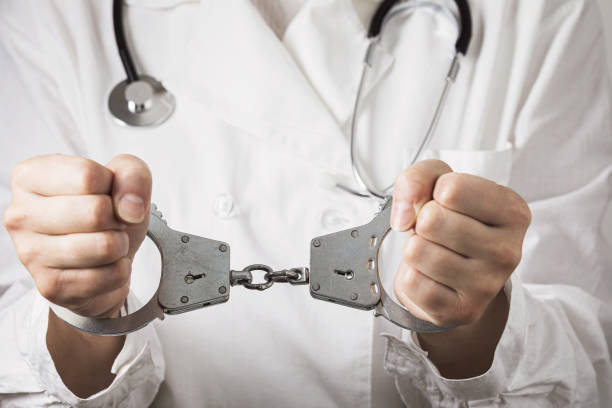
Incarcerated individuals retain fundamental constitutional rights to health services while serving prison sentences. State and federal government agencies hold an affirmative legal duty to provide adequate medical treatment to every person in custody. Prisoners cannot independently seek private medical attention on the open market. Therefore, correctional authorities must ensure access to essential healthcare services across all living facilities.
Navigating prison medical systems presents complex challenges for inmates, legal representatives, and family members. Systemic delays, inadequate staffing, and administrative hurdles frequently jeopardize health and safety inside correctional institutions. This comprehensive guide outlines the legal frameworks, constitutional standards, and administrative procedures governing prisoner medical rights.
The Constitutional Basis of Correctional Healthcare
The United States Constitution establishes the foundation for all medical care rights inside state and federal prisons. The Eighth Amendment protects convicted prisoners from cruel and unusual punishment by government officials. Courts interpret this constitutional provision to mandate humane living conditions and necessary medical care for incarcerated individuals.
Pre-trial detainees held in local county jails receive similar healthcare protections under the Fourteenth Amendment. The Due Process Clause prohibits punishing pre-trial detainees before a formal court conviction. Therefore, pre-trial detainees enjoy medical rights at least as broad as Eighth Amendment protections granted to convicted felons.
Correctional institutions cannot ignore serious physical or mental health needs without facing constitutional scrutiny. Government agencies must hire qualified healthcare staff and maintain functional medical facilities. Failing to provide basic medical services violates fundamental human rights guaranteed under federal law.
The Legal Standard of Deliberate Indifference
In 1976, the United States Supreme Court established the legal benchmark for prison healthcare cases in Estelle v. Gamble. The court ruled that deliberate indifference to serious medical needs of prisoners constitutes cruel and unusual punishment. To win a federal civil rights lawsuit, an inmate must satisfy two distinct legal components.
The objective component requires proving the existence of a serious medical need. A medical need is serious if a physician diagnoses it as requiring treatment or if the condition appears so obvious that a layperson recognizes the urgent need for medical help. The subjective component focuses on the mental state of the prison staff. The table below outlines the two-part legal test applied by federal courts.
| Constitutional Test Component | Legal Standard Requirements | Evidence Needed for Proof |
| Objective Component | Must prove the existence of a serious medical need or severe injury | Medical charts, expert witness testimony, diagnostic reports |
| Subjective Component | Must prove officials acted with conscious deliberate indifference | Sick call logs, written complaints, ignored emergency requests |
Deliberate indifference requires showing that officials knew about a substantial risk of harm and chose to disregard it. Simple medical malpractice or accidental misdiagnoses do not violate the Constitution automatically. Instead, plaintiffs must show that staff acted with reckless disregard for inmate health and physical safety.
Covered Medical Services in Correctional Facilities
Constitutional guarantees extend beyond emergency hospital care to encompass comprehensive health management services. Prisons must address acute medical conditions, chronic illnesses, dental emergencies, and severe psychological disorders. Neglecting essential health maintenance causes unnecessary physical suffering and permanent physical harm.
Correctional medical departments must assess every incoming inmate during initial intake procedures. Intake screenings identify existing medical conditions, active prescriptions, and infectious disease risks immediately. Essential healthcare services covered under constitutional mandates include the following areas:
- Comprehensive treatment for chronic conditions like diabetes, hypertension, asthma, and heart disease.
- Emergency medical interventions for severe physical trauma, stroke, appendicitis, or sudden heart attacks.
- Essential dental treatments necessary to relieve severe oral pain, eliminate infections, or enable proper eating.
- Diagnostic testing including blood work, X-rays, magnetic resonance imaging, and specialized tissue biopsies.
- Management of infectious diseases including tuberculosis, hepatitis C, and human immunodeficiency virus.
Prisons must provide continuous care for pre-existing conditions throughout an inmate's incarceration term. Halting prescribed regimens arbitrarily causes dangerous physical complications. Facilities must maintain functional pharmacy supplies to deliver prescribed medications without unnecessary administrative interruptions.

Mental Healthcare Protections and Standards
Mental health services represent an essential component of constitutionally mandated correctional healthcare. Correctional institutions host high populations of individuals living with severe psychiatric conditions, depression, and psychological trauma. Prisons must maintain adequate mental health staff to diagnose, treat, and monitor psychiatric disorders.
Failing to provide mental healthcare leads to extreme self-harm, psychological decline, and higher suicide rates inside cellblocks. Psychiatric care standards require facilities to implement suicide prevention protocols, provide therapy, and distribute prescribed medications safely. The list below highlights critical elements of prison mental healthcare programs:
- Comprehensive psychological evaluations conducted during intake processing and routine housing reviews.
- Continuous access to licensed psychologists, psychiatrists, and clinical social workers.
- Safe administration of psychotropic medications with routine clinical monitoring for dangerous side effects.
- Crisis intervention programs and safe monitoring environments for suicidal or self-harming inmates.
- Individualized treatment planning for individuals struggling with severe chronic mental illnesses.
When guards respond to psychiatric crises with punitive isolation instead of medical intervention, they violate constitutional standards. Solitary confinement often worsens underlying mental health conditions dramatically. Courts require prisons to transfer severely ill mental health patients to specialized psychiatric treatment facilities when housing units cannot manage their needs safely.
Differences Between Medical Malpractice and Deliberate Indifference
Understanding the distinction between civil medical malpractice and constitutional deliberate indifference remains crucial for legal claims. Not every medical error or unsatisfactory treatment outcome creates a federal civil rights case. State tort law governs standard medical negligence, while federal constitutional law governs deliberate indifference.
Medical malpractice occurs when a doctor makes an unintentional mistake, misdiagnoses an illness, or performs a procedure carelessly. Deliberate indifference occurs when officials know about a severe health risk and deliberately refuse to provide care due to bad intent, cost concerns, or laziness. The table below compares these two distinct legal categories.
| Legal Distinction Category | Medical Malpractice (State Law) | Deliberate Indifference (Federal Law) |
| Mental Intent Required | Carelessness, accident, or standard clinical mistake | Conscious, reckless disregard of known serious risks |
| Primary Forum | State civil court under local tort statutes | Federal district court under 42 U.S.C. § 1983 |
| Common Scenarios | Misreading a lab report or picking an incorrect cream | Refusing prescribed insulin; ignoring severe internal bleeding |
| Legal Remedy | Financial damages under state tort standards | Injunctions and damages under constitutional laws |
If a prison doctor prescribes a medication that proves ineffective, the doctor committed a standard clinical mistake. However, if guards throw away an inmate's heart medication intentionally, those guards commit deliberate indifference. Civil rights attorneys review medical charts carefully to select the proper legal court for filing claims.
Common Systemic Violations in Prison Healthcare
Federal courts frequently find Eighth Amendment violations in cases involving systemic facility defects and administrative neglect. Private corporate vendors often manage prison medical systems to maximize corporate profits. Profit motives can lead to dangerous budget cuts, severe understaffing, and delayed specialist care.
Systemic failures place entire prison populations at risk of severe physical harm. When facilities ignore health department warnings or structural staffing shortages, administrative liability increases. The list below highlights common administrative failures that trigger federal civil rights lawsuits:
- Denying or delaying recommended surgeries or specialist visits solely to minimize operational costs.
- Failing to hire sufficient registered nurses, staff doctors, and psychiatric clinicians for housing blocks.
- Allowing non-medical security guards to override formal medical orders issued by licensed physicians.
- Imposing arbitrary administrative hurdles that delay emergency transport to outside community hospitals.
- Forcing inmates to wait months for basic diagnostic scans or routine chronic disease clinic reviews.
Security officers must never interfere with prescribed medical treatments or stop inmates from attending scheduled sick calls. When guards confiscate medical devices like walking canes, asthma inhalers, or back braces without medical authorization, they commit constitutional breaches. Facilities must ensure that security priorities do not compromise essential medical care delivery.

Women's Health and Prenatal Care Rights
Incarcerated women possess specific healthcare rights tailored to reproductive biology, pregnancy, and gender-specific medicine. State and federal facilities must provide routine gynecological exams, mammograms, and specialized reproductive healthcare services. Neglecting female health needs leads to severe long-term complications and reproductive harm.
Pregnant inmates require comprehensive prenatal care, specialized nutrition, and regular evaluations by qualified obstetricians. Most states prohibit using physical restraints or leg irons on pregnant women during labor, delivery, and immediate postpartum recovery. The table below details key medical accommodations required for incarcerated women.
| Healthcare Area | Required Medical Accommodation | Prohibited Correctional Practice |
| Pregnancy & Delivery | Specialized prenatal vitamins, diet, and obstetric care | Shackling women during labor and active delivery |
| Postpartum Care | Lactation support, mental health monitoring, pelvic care | Returning mothers to solitary units immediately |
| Routine Care | Regular pap smears, mammograms, and hygiene products | Charging excessive fees for basic sanitary pads |
| Specialized Treatment | Gender-affirming care when evaluated as necessary | Denying hormone therapies prescribed prior to arrest |
Facilities must ensure prompt hospital transport when an incarcerated woman enters active labor. Withholding prenatal care or forcing women to give birth inside unsanitary cellblocks constitutes severe constitutional neglect. Courts mandate safe, dignified medical care for all mothers and infants within correctional systems.
Substance Use Disorder and Detoxification Services
Substance use disorder represents a major health challenge across county jails and state prison systems. A large percentage of incarcerated individuals enter correctional facilities with active drug or alcohol dependencies. Unmanaged withdrawal from severe alcohol or sedative addiction can prove fatal without immediate medical intervention.
Facilities must conduct drug and alcohol screenings during initial intake procedures. Medical staff must implement clinical detoxification protocols to manage withdrawal symptoms safely. Symptoms like seizures, severe dehydration, and delirium tremens require continuous medical monitoring in specialized clinical units.
In recent years, courts have recognized Medication-Assisted Treatment as an essential medical intervention for opioid use disorder. Denying prescribed addiction medications like methadone or buprenorphine to incoming inmates causes severe physical suffering. Facilities increasingly maintain continuous Medication-Assisted Treatment programs to support recovery and prevent post-release overdose deaths.
Navigating the Sick Call Process Inside Prisons
Inmates access healthcare services primarily by submitting written sick call requests or medical slips. The sick call system allows individuals to report new physical symptoms, request prescription renewals, or ask for doctor evaluations. Navigating this internal administrative process correctly creates an essential paper trail for legal protections.
Inmates should fill out sick call slips completely, describing physical symptoms, pain levels, and exact dates clearly. Keep handwritten personal logs listing every submitted slip and officer response. Essential practical steps for navigating the prison sick call process include:
- Request an official medical sick call form from living unit officers or medical kiosks.
- Write down your physical symptoms clearly, avoiding vague language or informal slang terms.
- Submit the completed form directly to medical staff or drop it inside designated medical boxes.
- Keep an exact handwritten duplicate copy of every submitted sick call request for your files.
- Report any staff interference or unanswered slips to housing counselors immediately.
If sick call requests go unanswered for weeks, submit formal administrative grievances detailing the delay. Detailed personal journals serve as powerful evidence in court to prove that prison staff received notice of your medical needs. Thorough documentation prevents facility management from claiming ignorance regarding your deteriorating health.
Copayments and Financial Barriers to Care
Many state correctional systems charge small copayments for inmate-initiated medical visits. Facility record offices deduct these medical fees directly from inmate commissary accounts. State agencies establish copayments to discourage frivolous medical requests and offset operational costs.
However, federal law prohibits prisons from denying medical care because an inmate lacks money to pay copayments. Indigent prisoners who possess zero funds in their commissary accounts must receive identical medical treatment. The list below outlines key rules regarding prison medical copayments:
- Facilities must process sick call slips regardless of an inmate's current account balance.
- Copayments do not apply to follow-up visits requested directly by treating physicians.
- Emergency medical interventions and mandatory intake screenings must remain free of copay fees.
- Chronic disease clinics and routine vaccinations are exempt from copayments in most systems.
- Facility record offices cannot accumulate negative account balances that block basic hygiene purchases.
If guards or medical clerks refuse to process your sick call request due to an unpaid copayment, file an emergency administrative grievance immediately. Denying necessary medical attention based on an inability to pay violates constitutional guarantees directly.
Preserving Evidence and Documenting Medical Neglect
Building a successful legal claim for medical neglect requires gathering clear, objective evidence. Correctional facilities control medical records, sick call logs, and officer shift reports. Inmates and their family members must work together to preserve proof before records vanish or symptoms heal.
Outside family members can assist by maintaining organized files of all incoming letters, medical slips, and phone call notes. Families should create a centralized digital folder containing detailed timelines. The table below lists critical evidence types necessary for medical neglect claims.
| Evidence Type | Key Information Recorded | Legal Value in Court |
| Sick Call Slips | Dates, specific symptoms, pain descriptions | Proves facility staff had direct written notice |
| Grievance Forms | Formal complaints, administrative responses | Establishes total exhaustion of administrative remedies |
| Outside Medical Records | Pre-incarceration diagnoses, prescription lists | Demonstrates pre-existing conditions and care needs |
| Personal Journals | Daily logs of symptoms, missed medication doses | Provides detailed chronological testimony for trials |
Inmates should request complete copies of their internal medical records periodically through facility record offices. Reviewing your medical charts allows you to spot missing notes, incorrect doctor entries, or inaccurate medication logs. Sharing these charts with outside civil rights lawyers helps evaluate the legal strength of potential federal lawsuits.

The Prison Litigation Reform Act Exhaustion Rule
The Prison Litigation Reform Act enforces strict procedural hurdles that every inmate must clear before filing a federal civil rights lawsuit. The most critical requirement is the mandatory exhaustion of all internal administrative remedies. Exhaustion means completing every appeal step within the facility's grievance system before filing court papers.
Federal judges dismiss civil rights lawsuits automatically if an inmate fails to finish the internal grievance process first. Inmates must follow local grievance deadlines strictly, even while dealing with severe physical pain or medical emergencies. Essential rules for navigating administrative exhaustion include:
- Submit initial informal complaints and formal grievances within strict local filing windows.
- Appeal every negative grievance response up to the highest central office authority tier.
- Follow all formatting, page limit, and attachment rules specified in local grievance handbooks.
- Document any staff attempts to hide forms, destroy complaints, or threaten retaliation.
If facility staff refuse to provide grievance forms or ignore submissions completely, the administrative remedy becomes legally unavailable. Courts excuse non-exhaustion only when inmates prove that staff obstructed the grievance process actively. Keeping duplicate copies of every submitted paper proves your diligent compliance with procedural rules.
Emergency Medical Motions and Preliminary Injunctions
When an inmate faces an immediate, life-threatening medical crisis or permanent disability, waiting for standard grievance appeals takes too long. In urgent situations, civil rights attorneys file emergency motions for preliminary injunctions directly in federal district court.
A preliminary injunction asks a federal judge to order immediate action, such as a hospital transfer or emergency surgery, while the main lawsuit proceeds. To win a preliminary injunction for emergency medical care, an attorney must prove four key legal elements:
- A substantial likelihood that the inmate will win the civil rights case on its legal merits.
- A certainty that the inmate will suffer irreparable physical harm without immediate court intervention.
- Proof that the physical harm to the inmate outweighs any burden placed on the prison facility.
- Evidence demonstrating that issuing the court order serves the broader public interest.
Federal judges hold the legal power to issue temporary restraining orders that compel prisons to provide immediate specialist care. Emergency court filings force prison administrators to prioritize severe medical cases immediately. Rapid legal intervention saves lives when administrative systems fail.
Role of Family Members and Outside Advocates
Family members on the outside serve as vital advocates for incarcerated relatives facing severe medical neglect. Prisoners experience severe communication limits, isolated living units, and restricted internet access. Outside families can conduct research, contact medical supervisors, and organize legal representation efficiently.
Relatives should contact the facility's health services administrator, warden, and regional medical director in writing when severe health issues arise. Send detailed letters via certified mail outlining the medical emergency clearly. Key tasks family members can execute from the outside include:
- Contacting state department of corrections health services directors and facility wardens.
- Submitting formal complaints to state medical boards regarding negligent prison doctors.
- Engaging state legislators, public ombudsman offices, and civil rights organizations.
- Funding independent medical record reviews conducted by outside clinical experts.
Maintaining detailed records of every phone call, email, and letter sent to prison administrators creates pressure on facility management. Outside advocacy shows administrators that a family monitors the situation closely. External pressure frequently accelerates medical appointments and improves treatment quality behind bars.
Conclusion
Understanding prisoners' rights to medical care empowers incarcerated individuals and their families to challenge unlawful medical neglect effectively. The United States Constitution mandates that government agencies provide necessary medical, dental, and psychiatric care to everyone in custody. By documenting physical symptoms, submitting sick call slips promptly, navigating administrative grievances cleanly, and engaging legal representation when deliberate indifference occurs, individuals can enforce their constitutional rights. Ensuring adequate healthcare inside correctional facilities protects human dignity, prevents unnecessary suffering, and upholds fundamental legal standards across the justice system.
Frequently Asked Questions
Can a prison refuse to give me my pre-arrest prescription medications?
Prisons can substitute brand-name medications with generic equivalents or alternative drugs within the same class. However, staff cannot stop essential medications for severe conditions like diabetes, heart disease, or psychiatric disorders arbitrarily.
What should I do if a guard refuses to take me to a scheduled medical appointment?
Document the guard's name, date, time, and exact words in your personal journal immediately. Submit a formal grievance citing staff interference with prescribed medical care.
Can I see an outside private doctor while incarcerated?
Inmates generally cannot select private doctors. However, families can hire private medical experts to review records, or petition courts to order outside evaluations if facility care proves unconstitutionally inadequate.
Are pre-trial detainees entitled to the same medical care as convicted prisoners?
Yes. Pre-trial detainees receive medical protections under the Fourteenth Amendment, which provides protections at least as broad as Eighth Amendment standards applied to convicted prisoners.
What happens if I miss a sick call because the facility was on lockdown?
Request a new sick call appointment as soon as the lockdown lifts. Note on your new form that the facility lockdown prevented your attendance at the previously scheduled appointment.
Can an inmate sue a private healthcare company contracted by a prison?
Yes. Private corporations contracting with state or federal agencies to provide prison healthcare act under color of state law and face federal civil rights lawsuits under Section 1983.
Does medical malpractice automatically count as a constitutional violation?
No. Medical malpractice involves standard clinical negligence or accidental errors. Constitutional violations require proving deliberate indifference, which means officials ignored known serious risks consciously.
How long do I have to file a federal lawsuit for medical neglect?
Statutes of limitations for Section 1983 civil rights claims adopt the state's personal injury time limits, typically ranging from one to three years. You must exhaust all internal grievances before filing.
Legal information
Related Articles
More from the blog
Published articles selected by matching category, then the latest published.
 Medical CareMental Health Services Available for Incarcerated IndividualsA comprehensive guide to mental health services available for incarcerated individuals, covering legal rights, intake screening, crisis intervention, therapy options, and reentry planning.
 Medical CareHow to Report Medical Neglect in Correctional FacilitiesA complete step-by-step guide on how to report medical neglect in correctional facilities. Learn how to document neglect, navigate prison grievances, engage outside advocates, and take legal action.
 Medical CareSubstance Abuse Treatment Programs in Correctional FacilitiesReason: The article focuses on addiction treatment, rehabilitation services, counseling, medication-assisted treatment (MAT), and recovery programs provided within correctional facilities. These are healthcare services, making Medical Care the most appropriate category.
Find forms, resources and support
Explore court-ready forms, the resource directory, or contact us for help with a similar issue.