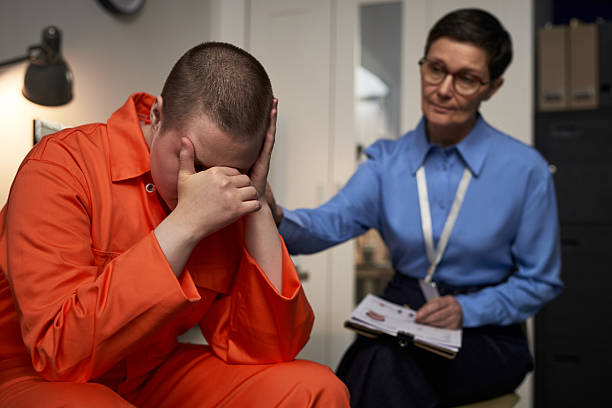
Correctional facilities hold thousands of people with severe mental health conditions. Jails and prisons now serve as the largest mental health providers in many regions. System staff must manage complex psychological needs under strict security rules. Incarcerated individuals require specialized care to maintain stability and work toward recovery.
This comprehensive guide explains the mental health services available inside correctional facilities. It covers legal rights, intake procedures, therapy options, and reentry planning. Readers will learn how prisons deliver care and how families can help their loved ones.
The Scope of Mental Illness in Prisons
Correctional institutions house high numbers of individuals with psychiatric disorders. Many prisoners arrive with pre-existing conditions that worsened without treatment in the community. Trauma, poverty, and substance abuse contribute heavily to these mental health challenges. Prison environments often worsen stress and anxiety levels for vulnerable residents.
Facilities must track mental health needs to allocate medical resources effectively. Staff classify patients based on the severity of their symptoms and diagnoses. The table below outlines common mental health conditions found among incarcerated populations.
Disorder Category | Common Diagnoses | Primary Impact on Patient |
Mood Disorders | Major Depression, Bipolar Disorder | Severe mood shifts and emotional distress |
Psychotic Disorders | Schizophrenia, Schizoaffective Disorder | Loss of reality contact and hallucinations |
Anxiety Disorders | PTSD, Panic Disorder | Extreme fear, hypervigilance, and panic |
Personality Disorders | Borderline, Antisocial Personality | Impulsive behaviors and relationship friction |
Systemic data shows that inmates suffer from mental illness at higher rates than the general public. Security staff must coordinate with medical personnel every day. Proper treatment reduces disciplinary infractions and creates safer living conditions for everyone.
Constitutional Right to Mental Healthcare
The United States Constitution guarantees basic medical care for incarcerated individuals. The Eighth Amendment protects convicted prisoners from cruel and unusual punishment. The Fourteenth Amendment protects pre-trial detainees held in local county jails. Courts interpret these amendments to include necessary mental health treatments.
Correctional systems cannot ignore severe psychological conditions without facing legal liability. Patients must receive care from qualified medical professionals. Facilities must maintain adequate staffing levels to deliver timely interventions. Deliberate indifference to serious mental health needs breaks federal law.
Judicial decisions continue to shape prison healthcare policies across the nation. Federal judges regularly monitor struggling facilities through consent decrees. Legal mandates force correctional departments to upgrade clinical space and increase funding. These legal protections ensure that prisoners retain their basic human right to health services.

Intake Screening and Psychological Evaluations
Every incarcerated individual undergoes an initial intake assessment upon arrival. Booking staff and nurses complete standard medical questionnaires to identify immediate risks. This initial process screens for suicidal thoughts, severe psychosis, and withdrawal symptoms. Fast identification of health problems prevents self-harm and medical emergencies during booking.
If staff detect mental distress, they refer the patient for a full psychological evaluation. Licensed clinicians conduct comprehensive interviews to establish a formal diagnosis. The list below highlights key steps in the correctional intake process:
- Nurses ask standard mental health screening questions during initial processing.
- Staff review past medical records and current prescription medications.
- Clinicians assign a mental health code to guide housing placement.
- Psychologists conduct detailed clinical interviews for high-risk patients.
- Treatment teams draft an individualized plan of care within required deadlines.
Accurate intake evaluations protect both the patient and the general prison population. Staff place unstable individuals in specialized observation cells for close monitoring. Timely screening allows medical teams to restart interrupted prescriptions quickly.
Crisis Intervention and Suicide Prevention
Suicide remains a leading cause of death inside correctional facilities. Isolation, fear, and harsh living conditions trigger severe emotional crises. Prisons operate structured suicide prevention protocols to manage acute distress. Staff receive annual training to recognize early warning signs of suicidal behavior.
When an inmate expresses suicidal intent, staff initiate immediate safety protocols. Officers move the individual to a safe observation cell free of dangerous objects. Clinical staff monitor the person continuously through physical checks or constant video surveillance. The individual receives tear-resistant blankets and specialized clothing to prevent self-harm.
Crisis intervention teams work to stabilize the individual during acute episodes. Psychiatrists evaluate the patient daily to adjust treatment plans and medication. Once the crisis passes, the care team gradually transitions the individual back to standard housing. Follow-up appointments ensure the person maintains emotional stability over time.
Individual and Group Therapy Programs
Correctional facilities offer various counseling services to support long-term recovery. Master level clinicians and licensed therapists lead individual and group sessions inside the prison. Therapy helps inmates develop coping skills, manage anger, and process past trauma. Regular counseling reduces emotional distress and improves daily behavior in housing units.
Group therapy serves as a primary treatment model due to limited clinical staffing. Groups allow individuals to share experiences and learn from their peers in a structured setting. The list below outlines common therapy models available in correctional settings:
- Cognitive Behavioral Therapy: Focuses on changing harmful thought patterns and negative behaviors.
- Dialectical Behavior Therapy: Teaches emotional regulation, distress tolerance, and mindfulness skills.
- Anger Management: Provides practical tools to control aggressive urges and manage conflict.
- Trauma-Informed Therapy: Addresses past physical abuse, childhood trauma, and chronic PTSD.
- Seeking Safety: Helps individuals recover from combined trauma and substance use disorders.
Therapists track patient progress through formal clinical notes. Attendance in evidence-based therapy groups often supports favorable parole decisions. These programs give participants practical skills that help them navigate daily prison stress.
Psychiatric Services and Medication Management
Psychiatrists and advanced nurse practitioners manage medication regimens inside prisons. These medical providers evaluate patients to diagnose complex mental health disorders. They prescribe psychiatric medications to manage symptoms of psychosis, depression, and severe anxiety. Proper medication management helps patients maintain daily functioning and stability.
Medication distribution follows strict security rules to prevent hoarding and misuse. Nurses distribute prescriptions directly to patients during scheduled pill line calls. Patients must swallow their medication immediately under direct staff supervision. Clinicians monitor patients regularly to check for side effects and evaluate drug effectiveness.
Medication Category | Target Symptoms | Common Management Protocols |
Antipsychotics | Hallucinations, delusions, severe agitation | Blood pressure monitoring and metabolic blood tests |
Antidepressants | Chronic sadness, low energy, panic attacks | Daily pill line delivery and mood monitoring |
Mood Stabilizers | Mania, emotional instability, aggression | Regular blood level testing to prevent toxicity |
Anxiolytics | Acute anxiety and severe panic symptoms | Non-addictive prescription options to prevent abuse |
Medical staff alter dosages based on patient feedback and clinical observations. Patients can request medication reviews if their current treatment causes discomfort. Proper psychiatric care remains a critical pillar of correctional health services.
Specialized Residential Treatment Units
Many prisons operate specialized residential units for inmates with severe mental illness. These housing units separate vulnerable patients from the general prison population. Specialized units provide a therapeutic environment focused on stabilization and intensive care. Staff working in these areas receive advanced training in mental health management.
Residential units feature higher staff-to-patient ratios than standard housing blocks. Patients participate in daily structured activities, group therapy, and recreational programs. The table below compares general housing blocks with specialized residential mental health units.
Feature | General Population Unit | Residential Treatment Unit |
Staff Training | Standard security training | Advanced mental health crisis training |
Daily Structure | Routine recreation and work calls | Structured clinical groups and activities |
Therapy Access | Monthly or bi-weekly check-ins | Daily clinical contacts and groups |
Noise Levels | High noise and loud disruptions | Low noise and calm living environment |
Specialized units reduce the need for disciplinary isolation among mentally ill inmates. Patients learn self-care habits and interpersonal communication skills in a supportive setting. These units prepare individuals to return safely to general housing or community settings.
Substance Use and Co-Occurring Disorder Services
A high percentage of mentally ill prisoners also battle substance use disorders. Clinicians refer to this combination as a co-occurring disorder or dual diagnosis. Treating mental illness without addressing addiction often leads to treatment failure. Facilities offer integrated programs that treat both conditions simultaneously.
Dual-diagnosis programs educate participants on the relationship between addiction and mental health. Individuals learn to identify personal triggers that lead to substance relapse and psychiatric symptoms. The list below highlights key services for individuals with co-occurring disorders:
- Medical detoxification services manage physical withdrawal safely during initial intake.
- Medication-assisted treatment reduces cravings for opioids and alcohol using approved medications.
- Dual-diagnosis self-help groups offer peer support modeled on traditional recovery programs.
- Psychoeducational classes teach the biological causes of addiction and mental illness.
- Relapse prevention planning prepares individuals to manage cravings after release.
Integrated care improves long-term outcomes for individuals facing complex health challenges. Co-occurring treatment programs reduce both drug relapse and criminal recidivism after release. Comprehensive care creates lasting stability for participants.
Telehealth and Modern Technological Care
Modern technology helps correctional systems expand mental health coverage. Many rural prisons struggle to hire full-time psychologists and psychiatrists. Telehealth services connect patients with off-site clinical specialists using secure video systems. This technology bridges staffing gaps and ensures continuous care delivery.
Telepsychiatry allows external doctors to conduct evaluations, monitor medication, and manage crises remotely. Patients sit in private confidential rooms equipped with high-definition screens and cameras. Remote care eliminates the need for expensive and risky patient transports to outside hospitals.
Facilities also use digital kiosks and tablets to streamline mental health requests. Inmates can submit confidential medical request slips directly to the health department electronically. Digital systems track request dates and prevent administrative staff from losing paper forms. Technology improves clinical efficiency across large correctional networks.
Peer Support and Mentorship Programs
Peer support programs utilize trained inmates to help manage mental health needs. Experienced prisoners complete rigorous training to become certified peer specialists or mentors. These individuals offer empathetic listening, conflict resolution, and navigation support to fellow residents. Peers often build trust faster than uniformed officers or clinical staff.
Peer supporters observe housing units for signs of emotional distress or withdrawal. They encourage struggling individuals to seek professional help from the medical department. Mentors also lead self-help support groups and wellness workshops inside the facility.
Peer programs create a sense of community and mutual aid within harsh prison environments. Serving as a peer mentor provides purpose and personal growth for the mentor as well. These cost-effective programs strengthen the overall mental health safety net inside the facility.

Reentry Planning and Community Transition
Preparing mentally ill individuals for release remains a critical task for correctional staff. The transition back into the community presents immense stress and potential triggers. Reentry planners work to establish continuous care before the individual leaves the prison gate. Effective transition plans prevent psychiatric decompensation, homelessness, and immediate re-arrest.
Planners begin discharge arrangements several months prior to the scheduled release date. They connect releasing individuals with community mental health centers and housing resources. The list below highlights essential components of a strong mental health reentry plan:
- Case managers apply for public healthcare coverage like Medicaid prior to release.
- Staff schedule initial psychiatric appointments with community clinics near the release location.
- Medical teams supply a thirty-day supply of essential psychiatric prescriptions at discharge.
- Reentry specialists secure placement in supportive housing or residential care facilities.
- Planners arrange transportation from the prison gate directly to housing or appointments.
Seamless transitions protect public safety and reduce emergency room visits. Connecting individuals with community resources ensures long-term psychiatric stability. Reentry planning gives returning citizens a fair chance at successful community integration.
Barriers to Accessing In-Prison Healthcare
Despite constitutional mandates, inmates face significant obstacles when seeking mental healthcare. Staff shortages leave many facility health departments overwhelmed and underfunded. Long wait times delay access to individual counseling and psychiatric evaluations. Systemic barriers often cause manageable conditions to escalate into severe crises.
Security policies sometimes conflict directly with therapeutic goals. Disciplinary measures like solitary confinement worsen symptoms of depression, anxiety, and psychosis. The table below lists major barriers to healthcare access and their operational causes.
Access Barrier | Primary Operational Cause | Direct Impact on Patients |
Clinical Understaffing | Low pay and difficult working conditions | Long waitlists for routine therapy appointments |
Medical Co-pays | Institutional fees charged for sick calls | Indigent patients avoid requesting needed care |
Solitary Confinement | Security responses to behavioral infractions | Severe psychiatric breakdown and emotional harm |
Security Lockdowns | Staffing shortages or security incidents | Cancelled medical calls and missed therapy groups |
Overcoming these barriers requires systemic administrative reform and increased public investment. Advocacy groups push facilities to eliminate medical co-pays and reduce isolation practices. Addressing operational hurdles ensures that vulnerable individuals receive essential medical care.
The Role of External Advocates and Families
Family members play a vital role in advocating for incarcerated loved ones. Outside advocates can monitor care quality and report neglect to senior administrators. Relatives should maintain detailed records of all communications regarding the individual's health status. Organized external pressure often accelerates access to delayed medical treatment.
Families can contact prison health services administrators, wardens, and elected officials directly. Expressing specific concerns regarding medication delays or suicide risks forces staff to act. The list below provides effective steps for family advocacy from the outside:
- Keep an organized folder containing past medical records, diagnoses, and prescription lists.
- Send certified letters regarding urgent medical needs directly to the facility warden.
- Contact the regional department of corrections health administrator to report care delays.
- Reach out to state protection and advocacy organizations for specialized legal help.
- File formal administrative complaints with state medical boards against negligent providers.
External advocacy shows prison officials that a vigilant support system exists. Families ensure that staff do not overlook or ignore their relative's health complaints. Persistent, polite advocacy saves lives and improves institutional care standards.
Conclusion
Mental health services inside correctional facilities are essential for maintaining safety, stability, and human dignity. State and federal laws mandate that prisons provide adequate psychiatric evaluations, crisis intervention, therapy, and medication management. While systemic obstacles like clinical understaffing and security lockdowns persist, comprehensive care programs remain vital. Effective treatment inside prison combined with thorough reentry planning reduces recidivism and transforms lives. Families, advocates, and healthcare professionals must continue working together to ensure that incarcerated individuals receive the mental health support they legally and morally deserve.
Frequently Asked Questions
Do incarcerated individuals have a legal right to mental healthcare?
Yes. The Eighth and Fourteenth Amendments guarantee necessary medical and mental health care to incarcerated individuals. Facilities must treat serious psychological conditions.
What happens if an inmate feels suicidal inside prison?
Staff place the individual in a safe observation cell under continuous monitoring. Mental health professionals evaluate the person daily until the crisis resolves safely.
Can prisoners receive their pre-prison medication inside?
Yes, if the prison medical team approves the prescription. Staff review outside records and re-issue approved medications through the daily pill line call.
How do inmates request a mental health appointment?
Inmates submit written sick call forms or electronic kiosk requests to the health department. Staff triage requests based on clinical urgency and schedule visits.
Are prison therapy sessions confidential?
Therapy sessions maintain clinical confidentiality with specific security exceptions. Clinicians must report threats of violence, escape plans, or self-harm risks to security staff.
What are specialized residential treatment units in prison?
These are separate housing units for individuals with severe mental illness. They offer structured therapy, low noise levels, and higher clinical staffing ratios.
Can family members send medical records directly to the prison?
Yes. Families can fax or mail official medical records directly to the facility health services department to verify past diagnoses and treatments.
How does medication distribution work inside a facility?
Nurses distribute prescribed medications directly to patients during scheduled pill calls. Patients must swallow the medication under direct staff observation to prevent hoarding.
What care is provided to inmates during release?
Reentry planners arrange community health appointments, supply initial medication refills, help apply for Medicaid, and secure supportive housing options.
Can an inmate refuse psychiatric medication?
Yes, competent individuals can refuse medical care. However, prisons can enforce involuntary medication through formal administrative hearings during severe emergencies.
Related Articles
More from the blog
Published articles selected by matching category, then the latest published.
 Medical CareHow to Report Medical Neglect in Correctional FacilitiesA complete step-by-step guide on how to report medical neglect in correctional facilities. Learn how to document neglect, navigate prison grievances, engage outside advocates, and take legal action.
 Medical CareUnderstanding Prisoners' Rights to Medical CareA comprehensive guide explaining prisoners' constitutional rights to medical care. Learn about Eighth Amendment protections, deliberate indifference standards, covered treatments, and how to challenge medical neglect.
 Medical CareSubstance Abuse Treatment Programs in Correctional FacilitiesReason: The article focuses on addiction treatment, rehabilitation services, counseling, medication-assisted treatment (MAT), and recovery programs provided within correctional facilities. These are healthcare services, making Medical Care the most appropriate category.
Find forms, resources and support
Explore court-ready forms, the resource directory, or contact us for help with a similar issue.