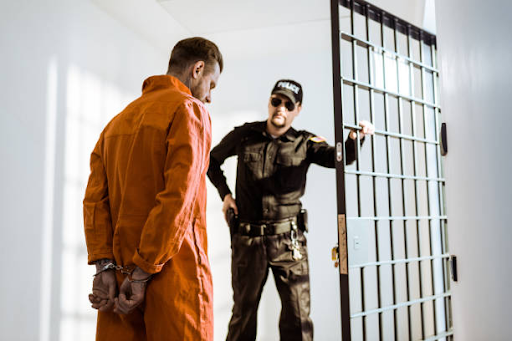
Visiting a prison for the first time feels overwhelming. Strict security protocols and unfamiliar environments generate anxiety for family members. However, careful preparation transforms a stressful experience into a rewarding opportunity to reconnect. Correctional facilities enforce rigid administrative guidelines to protect staff, visitors, and incarcerated individuals.
Every department of corrections operates under specific state laws and local rules. Understanding what to expect helps you navigate security check points easily. Proper planning prevents unnecessary delays or turned-away visitors at the front gate. This comprehensive guide outlines the exact steps needed to prepare for a successful first prison visit.
Confirming Your Approved Visitor Status
You must receive official approval before traveling to any correctional facility. Do not show up at a prison without prior verification. Incarcerated individuals initiate the process by sending you a visitor application form. You complete the paperwork and mail it back to the facility.
Prison staff run criminal background checks on every applicant. The approval timeline varies between two weeks and two months. Staff notify the incarcerated individual once they approve or deny your application. Your loved one must inform you of your official status via mail or phone.
Verify your approved status directly before booking travel arrangements. Call the facility visitation clerk if you suspect communication delays. Confirm that officers updated the electronic database with your current information. Traveling without confirmed approval results in immediate denial at the entrance.
Double Checking the Facility Visiting Schedule
Prison visiting schedules change based on housing units, security levels, and days of the week. Facilities frequently alternate visiting days by inmate identification numbers. For example, even identification numbers visit on Saturdays, while odd numbers visit on Sundays.
Many modern state systems require advance online reservations. You must create an online account to book specific time slots. Popular weekend slots fill up quickly once reservation portals open. Secure your confirmed appointment slot well in advance of your trip.
Always verify the operational status of the facility forty-eight hours prior to departure. Unforeseen security lockdowns or extreme weather conditions cause sudden cancellations. Check the official corrections department website for emergency closure notices. Calling the facility hotline saves you from driving hours to a closed facility.

Navigating Essential Identification Requirements
Officers inspect government identification rigorously at the front entrance desk. Expired driver's licenses cause immediate rejection. Ensure your photo identification remains active and valid on your visit day. The full name on your document must match the visitor database exactly.
Adult citizens must present primary government-issued identification cards. Minor children require specific civil documentation, such as official birth certificates. Non-citizen visitors must bring valid international passports with current entry visas.
The table below outlines acceptable primary identification documents for different visitor groups:
Visitor Category | Primary Required Identification Document | Secondary Supporting Document |
Adult Citizens | Active State Driver's License or State ID | US Passport or Military Photo ID |
Foreign Nationals | Active Foreign Passport with Visa Stamp | Permanent Resident Card / Green Card |
Minor Children | Official State-Issued Birth Certificate | Student Photo ID Card (if applicable) |
Legal Guardians | Government-Issued Photo ID | Certified Court Guardianship Papers |
Mastering the Prison Visitor Dress Code
Correctional institutions enforce conservative dress codes for all incoming guests. Officers inspect visitor attire at the security gate. Wearing prohibited clothing results in immediate denial of entry. Officers refuse entry regardless of how far you traveled.
Choose simple, loose-fitting clothing that covers your shoulders, chest, and knees. Avoid form-fitting garments like leggings, yoga pants, or tight jeans. Do not wear clothing that resembles guard uniforms or inmate attire. Leave scrubs, khaki pants, and olive green shirts at home.
The list below highlights common clothing items banned in prison visiting rooms:
- Sleeveless tops, tank tops, halter tops, and low-cut blouses.
- Short skirts, miniskirts, or shorts ending above the knee.
- Sheer garments, see-through fabrics, and fishnet materials.
- Spandex leggings, skin-tight pants, and bodycon dresses.
- Clothes displaying gang symbols, profanity, or graphic violence.
- Open-toed sandals, flip-flops, or high-heeled shoes in select units.
- Hats, caps, bandanas, or non-religious head coverings.
- Underwire bras that trigger sensitive metal detector alarms continuously.
What to Leave in Your Vehicle
Prisons maintain strict regulations regarding what items can cross the secure perimeter. Carrying unauthorized items onto facility grounds constitutes a severe security violation. Officers view everyday objects like cell phones and purses as dangerous contraband.
Clean out your pockets and leave personal belongings inside your locked vehicle. Park your car, lock all doors, and double-check your windows. Never leave pets, firearms, or alcohol in your parked vehicle on prison property. Officers patrol parking lots with drug and bomb detection dogs regularly.
Leave your cell phone, smartwatch, wallet, keys, and cosmetics inside your trunk. Carry only your driver's license, car key, and allowed vending machine money. Minimal personal belongings make security screening move faster for everyone.

Permitted Items Inside the Visiting Room
While facilities restrict most belongings, officers allow a small list of necessary items. You must carry permitted items in a clear, transparent plastic bag. Clear storage bags allow officers to inspect contents visually without opening them.
You may bring a limited amount of cash or coins for vending machines. Bring small bills like one-dollar and five-dollar notes. Most facilities limit cash allowances to twenty or forty dollars per adult visitor. Some modern facilities use reloadable vending cards purchased in the lobby.
The table below outlines permitted items versus strictly prohibited items inside visiting areas:
Item Category | Permitted Inside Visiting Hall | Strictly Prohibited Items |
Personal Effects | Single vehicle key (no electronic fobs) | Purses, keychains, wallets, pocketknives |
Money / Currency | Small bills ($20-$40) in clear plastic bag | Credit cards, checks, large cash stacks |
Baby Supplies | Two clear bottles, two diapers, clear wipes | Diaper bags, strollers, glass baby jars |
Medical Needs | Essential life-saving inhaler or heart pills | Over-the-counter medication, loose pills |
Preparing Minor Children for the Visit
Bringing children to see an incarcerated relative requires extra care and emotional preparation. Children often feel intimidated by uniformed officers, high fences, and security doors. Explain the entry procedures to your children in clear, gentle terms beforehand.
Compare metal detectors to airport security screeners so children feel comfortable. Instruct children to stay close to you and follow officer directions quickly. Reassure them that security guards exist to keep everyone inside safe.
Pack essential baby supplies in clear bags if traveling with infants or toddlers. Officers allow a limited number of diapers, clear bottles, and factory-sealed wipes. Explain that children cannot bring personal toys, coloring books, or stuffed animals inside.
Arriving Early and Navigating Parking
Plan your route carefully and allow extra time for unexpected traffic delays. Aim to arrive at the facility parking lot at least forty-five minutes early. Early arrival provides time to organize your clear bag and adjust your attire.
Follow all parking lot directional signs and speed limits strictly. Park only in designated visitor spaces to avoid parking tickets or towing. Turn off your vehicle engine and lock all doors securely before walking to the lobby.
Do not linger in the parking lot or talk to working inmate road crews. Walking up to perimeter fences or waving at windows violates security protocols. Walk directly from your vehicle to the main visitor entrance building.
Passing Through Security Checkpoints
Entering a prison building feels similar to entering a high-security airport terminal. You register your name at the entry desk and present your valid identification. Officers verify your details against the daily approved visitor roster.
You must pass through stationary metal detectors and physical search stations. Place your clear bag, shoes, and vehicle key in plastic trays for inspection. Walk through the metal detector frame when instructed by the monitoring officer.
The list below outlines the standard steps during visitor security processing:
- Present government identification to the lobby processing officer.
- Sign the physical visitor registry book or digital intake screen.
- Place clear plastic bags and key trays on the inspection table.
- Remove shoes, belts, heavy jewelry, and jacket layers for scanning.
- Walk through the metal detector frame slowly without touching sides.
- Undergo a quick pat-down search or hand-wand scan if alarms trigger.
- Receive an invisible ultraviolet hand stamp for exit verification.
Understanding Search Protocols and Canine Units
Correctional facilities utilize advanced technology and trained dogs to intercept narcotics. Officers deploy drug-sniffing canine units through waiting rooms and entry lines. The dogs walk past visitors to detect trace amounts of illegal substances.
Remain calm, stand still, and keep your hands at your sides when dogs approach. Do not pet, feed, or talk to working security dogs under any circumstances. Allowing working dogs to perform their job keeps processing moving efficiently.
Officers may also use ion mobility spectrometers to swab hands or clothing for drug particles. If an alarm triggers, officers conduct a more detailed secondary search. Cooperate fully with staff instructions during secondary screening procedures. Refusing any search procedure results in immediate revocation of your visiting privileges.
Entering the Visiting Room and Finding Your Table
Once you clear security processing, officers escort you through locked sally ports. Sally ports are secure double-door entry systems that control building access. Wait quietly between the double doors until the electric locks click open.
Step into the main visiting room and report to the supervising officer's desk. The officer assigns you to a specific table or numbered seating station. Move directly to your assigned table and sit down in designated visitor chairs.
Do not wander around the room or visit other tables to greet people. Visiting rooms operate under continuous video surveillance and officer observation. Incarcerated individuals enter through a separate door after completing internal searches.

Rules of Physical Contact and Conduct
Visiting rooms enforce strict rules regarding physical contact between visitors and inmates. Contact rules vary depending on facility security levels and state guidelines. Minimum security facilities allow more flexibility, while maximum security facilities enforce tight limits.
Most facilities allow a brief hug and open-handed kiss at the beginning of the visit. You may also share a brief hug and kiss when the visiting session ends. Holding hands across the table is usually permitted if your hands remain visible above the tabletop.
The list below details mandatory behavioral guidelines inside the visiting room:
- Keep your hands on top of the table and visible to monitoring officers at all times.
- Avoid lap-sitting, excessive kissing, or lingering physical contact during sessions.
- Maintain a reasonable speaking volume to avoid disturbing neighboring tables.
- Keep accompanying children seated and under direct physical supervision.
- Do not attempt to pass physical notes, letters, or photos directly to the inmate.
- Follow every verbal instruction issued by monitoring officers immediately without argument.
Buying Snacks from Vending Machines
Food serves as a comforting highlight during long prison visiting sessions. Visiting rooms feature vending machines stocked with drinks, hot food, and snacks. Purchasing treats provides a sense of normalcy and shared enjoyment for families.
Only visitors may approach and operate the vending machines in most facilities. Inmates must remain seated at their assigned tables while you buy food items. Take all purchased items out of packaging and place them on paper plates provided by the facility.
Inmates must consume all vending machine food inside the visiting room. They cannot carry unused food, canned drinks, or wrappers back to their housing units. Throw away all trash in designated bins before your visiting session concludes.
Ending the Visit and Departure Procedures
The supervising officer announces the end of the visiting session clearly. Stop your conversation, pack your clear bag, and prepare to say goodbye. Keep your closing farewell calm, affectionate, and brief to avoid emotional disruptions.
Share a final brief hug and kiss according to facility rules. Allow the incarcerated individual to return to their intake processing line smoothly. Walk back toward the main visitor exit door under officer direction.
Officers check your ultraviolet hand stamp under black lights at the exit desk. Present your photo identification again to confirm your identity before leaving the secure building. Collect your belongings from lobby lockers or proceed directly to your parked vehicle.
Conclusion
Preparing for your first prison visit requires attention to detail, patience, and careful planning. Understanding facility rules reduces anxiety and prevents unexpected disruptions at the front entrance. By confirming your visitor status, dressing conservatively, bringing proper identification, and respecting security search protocols, you set the foundation for a positive experience. While prison regulations seem rigid, they exist to protect everyone inside the institution. Focus on maintaining emotional connections and offering strong support to your incarcerated loved one. Proper preparation ensures that your focus remains where it belongs: on building a meaningful, comforting connection during your time together.
Frequently Asked Questions
What happens if I wear the wrong clothing to a prison visit?
Officers will deny you entry at the front desk. You must leave the premises, change into approved clothing, and clear security again before the visiting session ends.
Can I bring photographs to show my incarcerated family member?
Most facilities prohibit handing physical photographs directly to inmates during visits. You must mail photographs to the facility through regular postal services instead.
What should I do if the metal detector keeps going off?
Remove all metallic items, including belts, shoes, and coins. If underwire bras trigger the alarm, officers may perform a manual pat-down search with a female officer.
Can I bring prescription medication inside the visiting room?
Only essential life-saving medications, such as asthma inhalers or nitroglycerin tablets, are permitted. You must leave all other prescription pills inside your locked vehicle.
How much cash can I bring for vending machines?
Most state facilities limit visitors to twenty or forty dollars per adult in small bills or coins. Check your specific facility's administrative guidelines before arriving.
Can a friend drive me to the prison if they are not on the approved visitor list?
Yes. Drivers who lack visitor approval may drive you to the facility. However, unapproved drivers must remain inside the parked vehicle off facility grounds or leave.
What happens if an emergency lockdown occurs during my visit?
Officers stop all visiting movement immediately and secure the room. Staff hold visitors safely until officers resolve the security issue and escort you out systematically.
Do minor children need photo identification to enter?
No. Minor children under eighteen do not require photo identification cards. However, guardians must present official state-issued birth certificates for every accompanying child.
Can I give money directly to the inmate during the visit?
No. Handing cash or checks directly to an inmate breaks strict contraband rules. You must deposit funds into inmate trust accounts using approved online portals or lobby kiosks.
How early should I arrive for my scheduled visit time?
Arrive at the prison parking lot forty-five to sixty minutes before your scheduled appointment. Arriving early ensures adequate time for parking, attire checks, and security screening.
Legal information
Related Articles
More from the blog
Published articles selected by matching category, then the latest published.
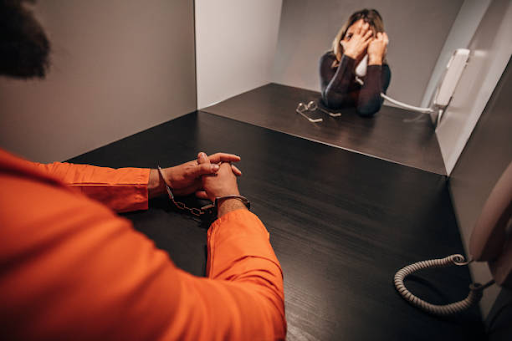 VisitationWhat to Do If Your Prison Visitation Is DeniedLearn what steps to take if your prison visitation application is denied. This comprehensive guide covers common denial causes, administrative appeals, background checks, and alternative communication methods.
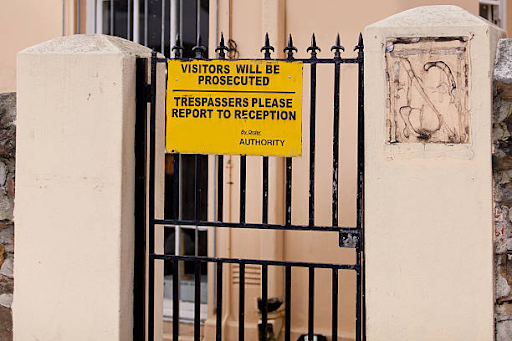 VisitationUnderstanding Prison Visitation Rules and RequirementsA complete guide explaining prison visitation rules and requirements. Learn about visitor applications, dress codes, required identification, contraband rules, and security screening procedures.
 VisitationVisitation Rules Across US State Prisons (Overview Guide)Reason: The article provides an overview of prison visitation policies, eligibility, scheduling, visitor requirements, and rules across state prisons. It is a direct fit for the Visitation category.
Find forms, resources and support
Explore court-ready forms, the resource directory, or contact us for help with a similar issue.