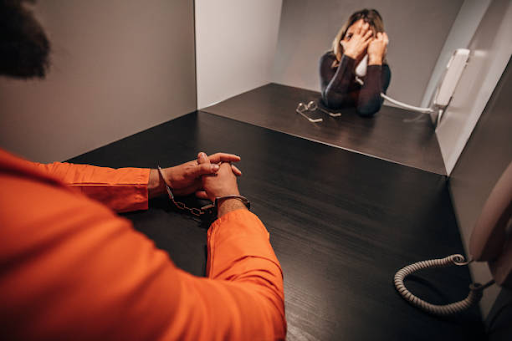
Facing a prison visitation denial causes immense emotional stress for families. Maintaining personal contact supports an incarcerated individual during their sentence. However, correctional departments enforce strict administrative standards for every guest. Officials review applications thoroughly before granting access to facilities. A single mistake or missing detail leads to immediate application rejection.
Understanding why officials denied your visit helps you take effective action. You hold legal avenues to appeal administrative decisions and correct records. Many denials result from simple paperwork errors or missing background information. This comprehensive guide outlines the steps needed to address and resolve a visitation denial.
Understanding Why Facilities Deny Visitation Applications
Correctional departments prioritize facility security above all operational goals. Staff screen potential guests to prevent contraband and security threats. Officials evaluate criminal histories, relationship ties, and personal statements during screening. Understanding common denial triggers helps you build a strong administrative appeal.
Denials fall into administrative categories or security-based disqualifications. Paperwork mistakes cause a large percentage of initial application rejections. Security concerns arise when background checks show active warrants or recent convictions. The list below highlights common reasons officials reject visitation requests:
- Outstanding criminal warrants or active law enforcement investigations.
- Recent felony convictions or active probation and parole supervision.
- Incomplete personal information or mismatched names on background forms.
- Omission of past arrest records on the formal application document.
- Co-defendant status in the inmate's original criminal court case.
- Active protective orders involving the incarcerated individual or victim.
- Past violations of prison visiting rules or contraband smuggling attempts.
Identifying the Exact Cause of Your Denial
You cannot fix a visitation denial without knowing the specific reason. State policies require officials to issue formal written rejection notices. Staff send this notification letter directly to the incarcerated individual. In some jurisdictions, the visitation department also mails a copy to the applicant.
Ask your incarcerated relative to review the formal rejection letter carefully. The notice lists specific policy codes and factual reasons for the denial. If the letter contains vague language, request a detailed clarification from the warden. Identifying the exact administrative barrier allows you to gather relevant supporting evidence.
Keep the original rejection letter in a safe, organized file. Note the official date stamped on the top of the document. Most correctional departments enforce strict deadlines for submitting administrative appeals. Missing an appeal deadline forces you to restart the application process.

Reviewing Common Administrative and Paperwork Errors
Many visitation denials stem from minor clerical errors rather than security threats. Background check software flags minor name variations or incorrect social security digits. Omitted middle names or wrong birthdates generate false positive flags in police databases. Reviewing your original application helps identify these simple administrative mistakes.
Compare your submitted application details against your official government identification card. Ensure that street addresses, driver's license numbers, and names match perfectly. If you moved recently, address mismatches can trigger security flags during automated checks. Correcting clerical errors remains the fastest way to resolve a visitation rejection.
The table below outlines common administrative errors and their immediate solutions.
Administrative Error | Cause of Flag | Corrective Action Required |
Name Discrepancies | Missing middle names or maiden name confusion | Submit official birth certificate or marriage license |
Incorrect Identifier Numbers | Transposed digits in social security or driver's license | Resubmit application with copy of official ID card |
Omitted Arrest Records | Omitting old misdemeanor arrests or dismissed charges | Request official court disposition records from clerk |
Address Mismatches | Application address differs from state driver's license | Update state driver's license or submit utility bill |
Addressing Criminal Background Disqualifications
Having a criminal record creates significant hurdles during the visitation review process. However, a past arrest does not trigger an automatic permanent ban in every state. Officials evaluate the severity of the offense, time passed, and rehabilitation efforts. Omitting past arrests on your application causes an automatic denial for dishonesty.
Always disclose your complete criminal history on official visitation forms. Background check systems flag expunged records, juvenile arrests, and dismissed charges. Claiming you forgot an old arrest indicates lack of candor to screening officers. Honesty builds credibility with administrative review boards.
If an old conviction caused your denial, gather proof of complete sentence discharge. Request official certificate of discharge documents from the sentencing court clerk. Obtaining written character references from employers or probation officers also strengthens your case. Demonstrating long-term community stability helps overcome past criminal background concerns.
Navigating Probation and Parole Restrictions
Individuals currently serving probation or parole face strict visitation restrictions. Correctional departments limit access to active probationers to maintain supervision control. You must obtain written authorization from your supervising officer before applying. Submitting an application without officer clearance leads to immediate rejection.
Schedule a formal meeting with your probation or parole officer to discuss your request. Explain your personal relationship with the incarcerated individual and your reasons for visiting. Your supervising officer must evaluate whether facility visits align with your rehabilitation plan. Officers draft official approval letters on department letterhead for prison wardens.
Attach your officer's written approval letter directly to your visitation appeal packet. Ensure the letter contains your officer's full contact details and badge number. Visitation staff contact supervising officers directly to verify authorization letters. Clear communication between agencies smooths the administrative approval process.
Resolving Identity Discrepancies and Database Misinformation
Law enforcement databases occasionally contain inaccurate or outdated criminal information. Identity theft, shared names, or clerk errors result in mixed criminal files. An innocent applicant might face a denial due to another person's violent felony record. Resolving background database errors requires proactive legal work.
Request an official copy of your personal criminal history record from your state police. State agencies provide personal background records for a small administrative fee. Review every entry on your record to ensure accurate conviction statuses and identity details. If you spot incorrect charges, contact the state crime information center immediately.
Fingerprint verification offers a definitive method to clear up identity confusion. Submit an official fingerprint card to the state police background unit for verification. Official fingerprint clearance proves you do not match the felon listed in the database. Attach certified state police clearance letters to your visitation appeal.

Understanding the Formal Administrative Appeal Process
Every department of corrections maintains a formal administrative appeal mechanism for denied visitors. The appeal process allows applicants to challenge administrative decisions higher up the chain of command. Submitting a timely appeal forces regional directors or appeal boards to review the file. Following official appeal guidelines preserves your legal administrative remedies.
Obtain the specific appeal forms from the state department of corrections website or law library. Read the administrative appeal rules carefully to identify proper submission addresses and deadlines. State policies generally grant between fifteen and thirty days to file an appeal. The list below outlines key steps in the formal appeal process:
- Obtain the official denial letter from your incarcerated relative or mail notice.
- Locate the specific administrative policy governing visitation appeals in your state.
- Fill out the official appeal form completely using clear, objective language.
- Gather supporting documents, court dispositions, character letters, and ID copies.
- Draft a detailed cover letter explaining why officials should overturn the denial.
- Send the entire appeal packet via certified mail with a return receipt requested.
- Keep duplicate copies of every submitted document in your personal records.
How to Write an Effective Visitation Appeal Letter
Your written appeal letter serves as your primary tool to convince administrative reviewers. Maintain a polite, professional, and respectful tone throughout the document. Avoid expressing anger, assigning blame, or criticizing correctional staff in your writing. Professional correspondence receives serious consideration from executive administrative officers.
Focus strictly on factual details and clear explanations in your letter. Address the specific denial reasons listed in the official rejection notice directly. Explain how you resolved past issues, corrected application errors, or obtained official clearances. Emphasize how your visits support the inmate's rehabilitation and emotional well-being.
Structure your appeal letter with clear headings and concise paragraphs. State your name, address, phone number, and the inmate's identification number clearly. Reference specific state department policies that support your eligibility for visitation privileges. Conclude your letter with a polite request for administrative reconsideration.
Gathering Supporting Documentation for Your Appeal
An appeal letter without supporting evidence rarely succeeds in overturning a denial. Administrative review boards rely on official documentation rather than personal promises. Compiling strong documentary evidence proves that you meet state security requirements. Collect certified copies of official documents to attach to your appeal packet.
The table below lists essential supporting documents needed for various denial scenarios.
Denial Reason | Essential Supporting Document | Source of Document |
Unreported Old Conviction | Certified court record of conviction and discharge | County Clerk of Court |
Active Probation Status | Written authorization letter from supervising officer | State Probation Department |
Identity Discrepancy | Certified fingerprint background check report | State Police Headquarters |
Relationship Doubt | Marriage certificate, birth certificate, or adoption paper | State Vital Statistics Office |
Ensure that all attached court records carry official court seals or clerk stamps. Unofficial printouts from internet search sites lack legal weight with prison authorities. Organizing your attachments with clear labels helps review boards examine your evidence quickly.
Submitting Your Appeal Package and Tracking Delivery
Submitting your appeal package properly prevents administrative delays or claims of lost mail. Never send original documents in your appeal submission. Always submit clear, high-quality photocopies while keeping original court documents safe at home. Organize your appeal packet logically, placing the appeal form on top.
Use certified mail through the United States Postal Service to send your package. Request a physical return receipt or electronic delivery tracking option. Certified mail delivery records provide legal proof that you submitted your appeal within statutory deadlines. Save your postal tracking receipts alongside your appeal copies.
Allow adequate time for administrative review boards to process your appeal packet. Appeals departments manage hundreds of files from facilities across the state. The review process generally takes between thirty and ninety days to complete. Refrain from calling the department daily while your file remains under active review.

What to Do If Your Administrative Appeal Is Denied
Receiving a second denial from an administrative appeal board causes deep frustration. However, a final administrative denial does not mark the absolute end of your options. Most state policies establish mandatory waiting periods before applicants can reapply. Use this waiting period productively to improve your background profile.
Review the final appeal response letter to identify remaining administrative objections. If the letter permits reapplication after six months or one year, mark that date clearly. Focus on maintaining a clean record and gathering additional rehabilitation evidence during the waiting period. Reapplying with fresh evidence often yields positive results.
The list below details constructive steps to take after an appeal denial:
- Carefully note the official reapplication eligibility date in your calendar.
- Request updated certified court records showing additional time elapsed since offenses.
- Maintain steady employment and collect positive reference letters from supervisors.
- Participate in community service or local volunteer programs to demonstrate growth.
- Consult with a qualified civil rights or prison law attorney regarding options.
- Continue communicating with your incarcerated relative through letters and phone calls.
Alternative Ways to Maintain Contact During a Denial
A visitation denial limits physical contact, but it does not stop all communication. Maintaining strong emotional bonds through alternative channels remains critical for incarcerated individuals. State systems provide several administrative avenues for legal correspondence and communication. Utilizing these alternatives keeps family connections strong during visitation bans.
Send regular written letters, cards, and approved family photographs through postal mail. Follow facility mail guidelines strictly to prevent mailroom rejections or delays. Many state facilities provide electronic messaging tools through secure digital tablet vendors. Electronic messaging allows rapid communication and photo sharing at reasonable costs.
Schedule regular phone calls with your incarcerated relative during approved calling hours. Ensure your phone number remains registered on the inmate's approved telephone list. Maintaining consistent phone communication offers comfort while you work to resolve visitation barriers.
Seeking Legal Assistance for Unfair Denials
If prison officials deny visitation arbitrarily or violate state regulations, seek legal assistance. Civil rights attorneys specializing in prison law understand state administrative codes thoroughly. Attorneys evaluate whether officials violated your constitutional rights or state procedural rules. Legal counsel can communicate with prison attorneys directly to resolve standstills.
Contact state legal aid organizations, civil rights groups, or local bar association directories. Organizations like the American Civil Liberties Union often publish self-help legal manuals for families. Legal aid clinics provide advice on challenging improper administrative actions.
Attorneys can file formal administrative petitions or court actions in extreme cases. Courts review whether administrative agencies followed their own written rules during application reviews. While legal action requires time and resources, judicial review holds agencies accountable to state law.
Conclusion
Facing a prison visitation denial presents a challenging administrative hurdle, but it is one you can overcome. By understanding the root cause of the rejection, gathering certified documentation, and submitting a factual appeal, you can resolve background flags and clerical errors. Maintaining a professional, respectful approach throughout the appeal process demonstrates maturity to administrative review boards. If an appeal fails initially, focus on alternative communication methods while preparing for your next reapplication window. Staying persistent, organized, and informed empowers families to protect their rights and maintain vital connections with their incarcerated loved ones.
Frequently Asked Questions
Why was my prison visitation application denied without a detailed explanation?
State policies sometimes issue generic denial codes due to background system flags. Ask your incarcerated relative to request a detailed administrative breakdown from their counselor.
How long do I have to wait to appeal a visitation denial?
Most state departments of corrections mandate filing appeals within fifteen to thirty days of the denial notice date. Check your state's administrative code for exact deadlines.
Can I visit if I have a pending misdemeanor charge?
Pending criminal charges usually cause temporary application denials. Officials freeze applications until the court resolves the charges and issues a final disposition.
Does a past felony conviction permanently ban me from visiting a state prison?
No. Many states allow former felons to visit after sentence completion and specific waiting periods. You must provide official discharge papers and disclose all history.
What should I do if my probation officer refuses to sign a visitation consent form?
Schedule a meeting to discuss your officer's concerns. If the officer refuses, you must wait until you complete probation supervision before reapplying.
Can a warden deny my visit even if I meet all state eligibility requirements?
Wardens hold broad administrative discretion to maintain facility security. However, wardens cannot deny visits based on unlawful discrimination or arbitrary personal reasons.
Will a visitation denial affect my ability to receive phone calls from the inmate?
No. Phone lists operate under separate administrative rules from physical visitation lists. A visitation denial does not automatically cancel approved phone list privileges.
How do I correct inaccurate information on my state criminal record?
File a formal record challenge with your state police criminal information center. Submit certified court records and fingerprint cards to correct erroneous charges.
Can I reapply for visitation if my formal appeal is rejected?
Yes. Most state policies allow applicants to submit fresh visitation applications after a waiting period, typically ranging from six months to one year.
Do I need an attorney to appeal a prison visitation denial?
No. You can complete and submit administrative appeal forms independently. However, consulting an attorney helps in complex cases involving legal rights violations.
Related Articles
More from the blog
Published articles selected by matching category, then the latest published.
 VisitationHow to Prepare for Your First Prison VisitA complete step-by-step guide on how to prepare for your first prison visit. Learn about visitor approval, dress codes, required identification, security searches, and visiting room rules.
 VisitationUnderstanding Prison Visitation Rules and RequirementsA complete guide explaining prison visitation rules and requirements. Learn about visitor applications, dress codes, required identification, contraband rules, and security screening procedures.
 VisitationVisitation Rules Across US State Prisons (Overview Guide)Reason: The article provides an overview of prison visitation policies, eligibility, scheduling, visitor requirements, and rules across state prisons. It is a direct fit for the Visitation category.
Find forms, resources and support
Explore court-ready forms, the resource directory, or contact us for help with a similar issue.