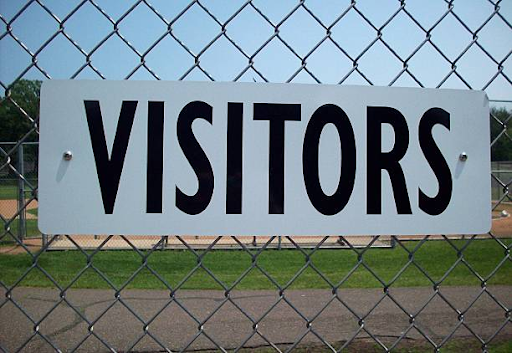
Incarceration separates individuals from their families and communities. Maintaining personal connections through face to face contact remains vital for rehabilitation. Regular visitation reduces institutional violence and lowers long term recidivism rates. When families visit, inmates stay anchored to the world outside the razor wire.However, state prison systems enforce rigid rules to maintain security during these meetings. Each state department of corrections operates under separate administrative codes. Visitors must navigate strict approval processes, precise dress codes, and intensive search procedures. This comprehensive overview guide outlines the core regulations governing prison visitation across the United States.
Navigating the Mandatory Visitor Application Process
You cannot simply show up at a state prison gate and ask to see an inmate. Every potential visitor must submit a formal application before scheduling a trip. The department of corrections conducts background checks on all applicants to protect safety. The incarcerated individual must mail the empty application forms directly to their family members. Once filled out, the applicant returns the packet to the facility's central visitation office. The table below lists the primary administrative stages of the visitor screening track.
Screening Sequence Stage | Required Action for Applicant | Operational Timeline |
| Initial Submission | Fill out criminal history lines truthfully | Takes three to six weeks to process |
| Background Check | Submit to state law enforcement checks | Runs automatically through databases |
| Notification Phase | Wait for the inmate to send approval text | Staff update the computer log instantly |
| Renewal Obligation | Resubmit updated info every few years | Keeps the database accurate over time |
Satisfying Strict Identification Requirements at the Main Gate
When you arrive at the prison complex, you must prove your identity. Staff will turn away any person who fails to present valid government paperwork. This requirement applies to all adult visitors without exception. Prisons do not accept digital identification cards displayed on cellular phone screens. You must present the physical, original document to the processing officer inside the front lobby. The list below outlines the specific forms of identification that state facilities accept:
- A current, unexpired state driver's license with a clear photograph.
- A valid United States passport or foreign consulate identification card.
Prison: The Hidden Sentence - An official state identification card containing a current home address.
Commonwealth of Pennsylvania - A certified military identification card displaying active or retired status.
Colorado Department of Corrections - An official green card or permanent resident document for non-citizens.
Understanding the Rigorous Dressing Rules for General Visits
Correctional complexes enforce conservative dress codes to maintain decorum and prevent contraband smuggling. Wardens ban clothing items that resemble inmate uniforms or guard attire. For example, wearing solid gray, orange, or olive green fabric triggers an immediate denial. Staff members look for form fitting or revealing styles that could disrupt the visiting room atmosphere. If your outfit fails the visual check, you must leave the property to change. The table below outlines standard dress boundaries enforced by state prison systems.
Prohibited Clothing Classification | Common Specific Example | Reason for Institutional Restriction |
| Uniform Mimicry | Solid blue denim or orange scrubs | Guards must distinguish visitors from inmates |
| Revealing Styles | Tank tops or spandex leggings | Prevents behavioral disruptions in dayrooms |
| Security Threat Attire | Camouflage patterns or gang patches | Stops the display of hostile group symbols |
| Concealment Items | Hooded sweatshirts or baggy cargo pants | Blocks methods used to smuggle contraband items |
Surviving the Intensive Physical Security Search Pipeline
Passing the dress check moves you into the active search pipeline. Every visitor must pass through a highly sensitive stationary metal detector. Underwire bras or heavy jewelry can trigger the alarm and delay procedure. If you trip the sensor, staff will check you with a hand held wand. Some facilities deploy electronic ion scanners to check clothing surfaces for microscopic drug traces. The list below highlights the sequence of search checks you will face:
- Emptying all personal pockets completely into small plastic bins.
- Removing shoes and belts for independent x-ray machine inspection.
- Passing slowly through the frame of the primary metal detector.
- Submitting to a physical pat down search conducted by a same sex guard.
- Opening your mouth to show that no items are hidden under the tongue.

Distinguishing Contact Visits from Non Contact Booths
State systems divide physical meetings into contact visits and non contact sessions. Contact visits take place in large communal dayrooms filled with tables and chairs. Inmates can sit next to their family members under the direct watch of floor officers. Non contact visits occur behind thick safety glass partitions inside separate booth tracks. Participants communicate through heavy metal mesh panels or integrated telephone handsets. The prison assigns non contact status to inmates with recent disciplinary tickets or escape histories.
Managing the Limits on Allowable Personal Property
Visitors face severe restrictions regarding the physical items they can bring inside the secure visiting room. You must leave purses, wallets, and cell phones locked inside your personal motor vehicle. Bringing a banned item past the lobby checkpoint constitutes a serious crime.
Facilities allow you to carry only a few essential items inside a clear plastic storage bag. The list below details the maximum items permitted inside standard state visiting rooms:
- A maximum of twenty dollars in small bills or quarters for vending machines.
- A single vehicle door key without any electronic fob attachments.
- Up to two plastic baby bottles and two clean diapers for infants.
- A single life saving medical inhaler left with the desk sergeant.
- A valid government photo identification card kept on your person.
Commonwealth of Pennsylvania
Reviewing the Rules Governing Physical Affection
Contact visiting rooms allow for modest displays of physical affection between inmates and their loved ones. However, these actions face strict boundaries to prevent the exchange of contraband during the interaction. Guards sit on elevated platforms to monitor every physical movement closely. The facility allows a brief embrace and a quick kiss at the absolute start of the visit. After that initial greeting, participants must sit across from each other cleanly. The table below traces the limits of physical contact during a standard visit.
Allowed Physical Interaction | Prohibited Behavioral Action | Consequence of Breaking Contact Rules |
| Holding hands openly on top of the table | Placing hands inside an inmate's pockets | Verbal warning issued by the floor officer |
| Resting a hand on a family member's shoulder | Interlocking legs or sitting on laps | Immediate cancellation of the current visit |
| Holding a small infant child gently | Passing food or items directly from mouth to mouth | Disciplinary ticket and permanent visit ban |
Processing Minor Children and Guardianship Paperwork
Bringing children to visit an incarcerated parent helps maintain family bonds during long sentences. However, minors require specialized documentation before they can pass the main gate. Adults must prove they possess the legal right to transport the child. If the accompanying adult is not the biological parent, they must present notarized permission slips. This rule prevents unauthorized individuals from bringing children into a secure penitentiary environment. The list below outlines the documentation track required for underage visitors:
- An original state birth certificate showing the names of both biological parents.
- A valid school photo identification card for children over a certain age.
- A notarized authorization letter signed by the child's legal outside guardian.
Department of Corrections and Community Supervision . - Official adoption or foster placement papers issued by a family court judge.
- Active immunization records if requested by local state health codes.

Understanding Rules for Special and Legal Visits
Special visits accommodate individuals who face extreme travel hurdles or unique legal situations. For example, a relative flying in from another country can request an extended visiting window. You must petition the complex warden in writing weeks before your intended arrival date to secure this privilege. Legal visits involve licensed defense attorneys, paralegals, and court investigators working on active cases. These meetings operate under separate rules that protect attorney client privilege. Guards cannot listen to the audio exchange during a legal consultation, and lawyers can bring case files inside.
Adapting to Emergency Institutional Lockdown Cancellations
Prison operations can shift instantly due to internal security crises or safety threats. If a fight erupts or staff conduct a weapon sweep, the warden orders an immediate lockdown. A lockdown cancels all scheduled visitation blocks instantly to keep the public safe. The facility does not call family members at home to notify them of sudden operational shutdowns. Visitors often discover the cancellation after driving hours to the prison gate. You should always check the agency's public web portal or call the lobby phone line before departing.
The Integration of Remote Video Visitation Networks
Many state prison systems are moving away from traditional in person visits. They are installing electronic video kiosks inside the housing blocks to run remote video visits. Families log into secure web portals from home using computer cameras to speak with inmates. Federal regulators oversee these digital networks under the provisions of the Martha Wright-Reed Act. The law requires private vendors to charge just and reasonable rates for video connection minutes. While video feeds increase communication frequency, advocacy groups emphasize that digital screens cannot replace real physical human contact.
The list below outlines the behavioral rules you must follow during a remote video visit:
- Participants must remain fully dressed in conservative shirts and pants.
Colorado Department of Corrections - The webcam must remain stationary to prevent views of unauthorized background areas.
- Users cannot display alcohol, weapons, or gang signs to the tracking sensor.
- The outside user cannot operate a moving car during the active video stream.
Colorado Department of Corrections - Violating video rules results in an automated system shutdown and account suspension.
Navigating Special Rules for Medical and Infirmary Visits
When an incarcerated individual suffers a severe injury or terminal illness, staff move them to infirmary wings. Visiting a bedridden inmate requires special authorization from the facility's chief medical officer. These visits occur under tight schedules to prevent interference with medical equipment or nurses. If an inmate faces an imminent end of life situation, the prison may allow compassionate bedside visits. Only immediate family members can attend these emotional encounters. Guards remain stationed inside the medical room to maintain security during the entire visit block.

Facing the Severe Penalties for Introducing Contraband
Bringing illegal items into a state prison compound constitutes a major felony offense. Contraband includes illegal drugs, cellular phones, tobacco products, and weapons. Corrupt individuals often try to hide these items inside body cavities or baby diapers to bypass guards. If staff discover contraband during a search, they will arrest you on the spot. The prison hands the suspect over to local county sheriffs for immediate criminal prosecution. The table below lists common contraband violations and their associated legal outcomes.
Seized Contraband Typology | Common Smuggling Method | Immediate Legal and Institutional Penalty |
| Narcotics or Pills | Hidden inside clothing seams or balloons | Instant arrest and multi year felony charges |
| Smart Cellular Phones | Stashed inside hollowed shoe soles | Permanent visitation ban and criminal fines |
| Loose Tobacco Packs | Wrapped inside thick waistbands | Loss of visit privileges for one calendar year |
| Strips of Suboxone | Tucked behind postage stamps or photos | Criminal indictment and immediate jail booking |
Managing the Suspension and Appeal of Visiting Rights
The warden retains the legal power to suspend your visiting privileges if you break a facility rule. A suspension can last for a few months or become permanent depending on the infraction. Receiving a notice of suspension does not mean you possess no options for recourse. You can file a formal administrative appeal to challenge an unfair visitation ban. You must submit a written letter to the department of corrections central headquarters in the state capital. Detail the facts of the event and explain why the local warden's decision lacks administrative merit.
Organizing Family Support Networks for Stable Reentry
Maintaining regular visitation creates a stable foundation for an inmate's ultimate return to society. Families who stay involved can help coordinate housing, employment, and counseling before the release date arrives. This continuous support circle drastically reduces the chances of an individual returning to crime. Visitation rooms allow families to discuss these complex transition plans face to face without mail delays. Inmates who receive steady visits show better behavioral profiles while completing their sentences. Protecting your visiting privileges ensures you can help your loved one cross the finish line into freedom safely.
Conclusion
Navigating the complex landscape of US state prison visitation requires patience, discipline, and absolute adherence to administrative codes. From the initial submission of background screening applications to passing intensive lobby searches, visitors must respect every security guardrail. Dress codes remain unyielding, and minor violations can turn a long family trip into a frustrating gate denial. While modern technology introduces remote video visitation networks under federal rate guidelines, physical contact visits remain the gold standard for preserving family unity. By understanding the rules governing property limits, children's paperwork, and physical affection boundaries, families protect their communication rights. Staying connected through these regulated visits keeps incarcerated citizens grounded and provides the vital support track necessary to achieve successful reentry into the community.
Frequently Asked Questions About Visitation
Can a prison deny my application if I have a past misdemeanor conviction?
Yes, state departments of corrections look closely at an applicant's complete criminal history profile. While a minor misdemeanor might not trigger an automatic denial, felony convictions often block approval. If you have an active probation status, staff will reject your application instantly to prevent safety risks.
What should I do if my underwire bra continuously sets off the lobby metal detector?
If your underwire bra sets off the detector sensor, you will fail to pass the checkpoint block. Many experienced visitors wear soft sports bras without any metal pieces when traveling to a prison facility. If the alarm sounds repeatedly, staff may require you to submit to an intensive pat down search before entry.
Can an inmate receive a physical gift or package from a visitor during a visit?
No, you cannot hand any physical items directly to an inmate during a contact visit session. All personal gifts, letters, and packages must arrive through the approved institutional mail network or commercial vendors. Handing an item to an inmate in the visiting room constitutes an illegal contraband exchange.
How much money can I spend on vending machine food during a contact visit?
Most state systems limit visitors to carrying a total of twenty dollars per person inside a clear plastic bag. You must use this money exclusively to buy snacks or drinks from the machines located inside the room. Inmates cannot touch the paper money or operate the vending machine buttons themselves.
Can a cousin or a friend be listed as immediate family on the application?
No, prison handbooks define immediate family members strictly as parents, spouses, siblings, and biological children. Cousins, aunts, uncles, and friends fall under the general visitor classification tier instead. Some maximum security facilities restrict visitation exclusively to immediate family members during high tension cycles.
What happens if an inmate gets into a fight an hour before a scheduled visit?
If an inmate breaks a behavioral rule or gets into an altercation, staff will place them in pre hearing detention. This immediate isolation cancels all upcoming social visits instantly as a safety measure. You will not receive an alert, and you will discover the cancellation upon arriving at the main gate lobby.
Related Articles
More from the blog
Published articles selected by matching category, then the latest published.
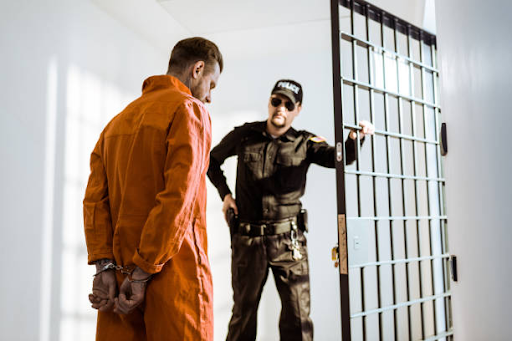 VisitationHow to Prepare for Your First Prison VisitA complete step-by-step guide on how to prepare for your first prison visit. Learn about visitor approval, dress codes, required identification, security searches, and visiting room rules.
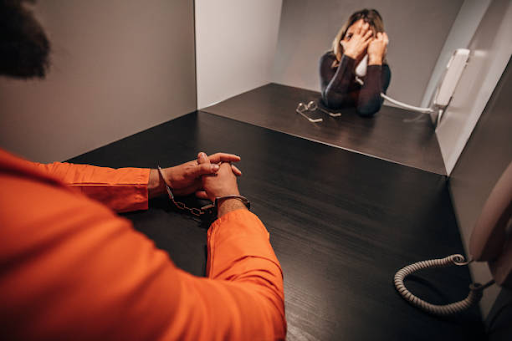 VisitationWhat to Do If Your Prison Visitation Is DeniedLearn what steps to take if your prison visitation application is denied. This comprehensive guide covers common denial causes, administrative appeals, background checks, and alternative communication methods.
 VisitationUnderstanding Prison Visitation Rules and RequirementsA complete guide explaining prison visitation rules and requirements. Learn about visitor applications, dress codes, required identification, contraband rules, and security screening procedures.
Find forms, resources and support
Explore court-ready forms, the resource directory, or contact us for help with a similar issue.