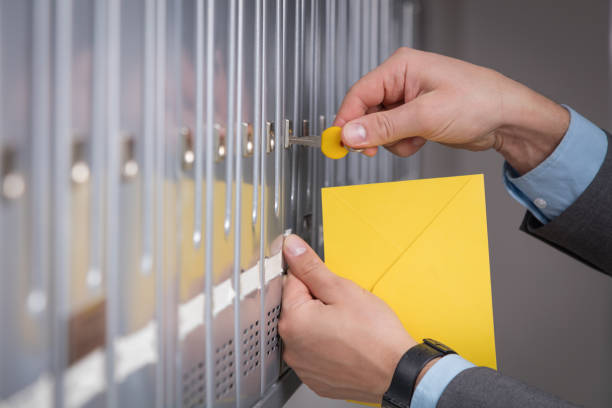
Sending mail to an incarcerated person plays a vital role in maintaining family connections, mental health, and social support. Correctional facilities enforce strict rules governing all incoming and outgoing mail to maintain facility security and prevent contraband entering the housing units. Navigating these postal regulations can feel confusing and frustrating for loved ones on the outside. This comprehensive guide breaks down the essential rules, mail inspection protocols, and restrictions involved in sending mail to state and federal prisons.
Understanding mail processing procedures helps ensure your letters, photos, and cards reach your recipient without delay or rejection. Every mail item undergoes careful screening by prison staff before delivery. Learning facility guidelines prevent common mistakes that cause mail rejections or property confiscation.
The Legal Foundation of Prisoner Mail Rights
The United States Constitution protects written communication between incarcerated individuals and the outside world. The First Amendment guarantees freedom of speech, which extends to postal correspondence. However, correctional administrators hold broad legal authority to restrict mail rights to preserve safety and order inside living units.
Prisons must balance security interests against constitutional protections. Courts allow prison officials to inspect general mail for physical contraband and dangerous content. However, facilities cannot censor letters simply because staff members dislike the writer's opinions or critical comments.
Understanding the distinction between general mail and privileged legal correspondence remains fundamental. General mail includes letters, post cards, photos, and greeting cards from family and friends. Legal mail includes confidential communications from courts, licensed attorneys, and government oversight agencies. Staff face far stricter constitutional limits when handling privileged legal mail.
Addressing Incoming Mail Correctly
Addressing envelopes accurately represents the single most important step in guaranteeing proper delivery. Mail rooms process thousands of letters daily for large incarcerated populations. Missing information causes immediate delays, rejections, or return shipments to the sender.
Every piece of mail must include the complete legal name and official registration number of the inmate. Never use nicknames, aliases, or street names on envelopes. The table below illustrates the standard addressing format required by state and federal correctional departments.
Address Field | Required Information | Example Format |
Recipient Name | Full legal name and register/ID number | John Doe, #123456 |
Facility Name | Complete name of the correctional institution | State Correctional Institution - Facility A |
Housing Unit | Specific unit or cell block (if required) | Housing Unit 4B |
Post Office Box | Official mail delivery PO Box number | P.O. Box 7000 |
City, State, Zip | Facility location city, state, and zip code | Anytown, ST 12345 |
Senders must also include a complete return address on every envelope. Anonymous mail or letters lacking a valid return address get discarded or rejected immediately by mail room staff. Always use a clear return address showing your full legal name, street address, city, state, and postal code.
Approved Paper Types and Envelope Standards
Correctional mail rooms inspect every envelope for physical contraband and hidden substances. Many state prison systems restrict envelope colors and paper styles to simplify inspection procedures. White, plain paper and standard white envelopes represent the safest option for all correspondence.
Avoid using decorative envelopes, colored construction paper, or heavy cardboard cardstock. Many facilities prohibit padded envelopes, bubble mailers, and cardstock greeting cards. Staff view thick paper materials as potential hiding spots for illicit drugs or flat contraband.
Mail room scanners and inspection officers reject envelopes containing any modified surfaces. The list below outlines common physical additions that trigger immediate mail rejections:
- Metal paperclips, staples, binder clips, or metal fasteners.
- Adhesive stickers, address labels, postage stamps placed inside envelopes, or tape.
- Glitter, metallic ink, gel pen ink, or liquid whiteout corrections.
- Perfume, cologne, essential oils, or strange physical scents sprayed on paper.
- Lipstick marks, lip gloss, wax seals, or bodily fluids.

Restrictions on Photographs and Visual Media
Incarcerated individuals appreciate receiving family photos and visual updates from home. However, prisons enforce strict guidelines regarding photograph sizes, quantities, and visual content. Sending unapproved photos leads to partial or total mail rejections.
Most correctional institutions permit inmates to receive standard printed photographs. Most facilities limit photo dimensions to four inches by six inches. Printing photos directly on regular copy paper often helps bypass strict physical photo limits. The table below details general photograph guidelines enforced across state facilities.
Photo Parameter | Approved Guideline | Prohibited Feature |
Photo Size | Standard 4x6 inch prints or paper prints | Polaroids, instant photos, framed prints |
Quantity Limit | 3 to 5 photos per envelope (varies by site) | Stacks exceeding local facility limits |
Physical Surface | Flat, glossy, or matte photo paper | Layered photos, sticky backing, heavy backing |
Image Content | Family events, pets, landscapes, children | Nudity, gang signs, weapons, drugs |
Facilities strictly prohibit photos depicting explicit sexual content, partial nudity, or suggestive poses. Photos showing hand signs, gang symbols, weapons, illegal drugs, or criminal activity trigger automatic rejections. Always choose modest, clear family photos to ensure smooth processing through mail inspection stations.
Rules for Sending Books, Magazines, and Publications
Inmates can receive books, magazines, religious texts, and educational journals through the postal service. However, individual senders cannot mail personal books directly from home. Prisons require all incoming publications to ship directly from authorized commercial publishers, bookstores, or distributors.
Ordering books directly through major retail websites ensures compliance with publisher rules. The distributor must package and ship the items directly to the facility address. The list below outlines essential requirements for sending reading materials:
- Order books directly through approved online booksellers or publishers.
- Select brand-new paperback books rather than hardcovers or used copies.
- Avoid spiral-bound notebooks, leather bindings, or metal ring binders.
- Limit publication orders to two or three items per shipment.
- Verify that publication contents comply with facility content restrictions.
Hardcover books face widespread bans across state and federal facilities because staff view hard bindings as potential weapon materials or drug storage locations. Always select softcover, paperback editions when ordering reading material for an inmate. Ensure the publication contains no explicit violent content, escape plans, or instructions on manufacturing weapons or explosives.

Digital Mail and Electronic Correspondence Systems
Modern correctional facilities increasingly rely on electronic messaging systems alongside traditional postal mail. Third-party commercial vendors operate secure messaging platforms that allow families to send digital letters, photos, and video messages to tablets provided to inmates.
Digital messaging speeds up communication significantly compared to physical postal delivery. Senders purchase digital stamps or credits through mobile applications or online web portals to send electronic messages. Staff review digital messages electronically before releasing them to inmate tablets.
Despite the convenience of digital messaging, facilities charge fees for every message, photo, or audio attachment sent. Families must monitor digital account balances carefully. Digital communications undergo automated keyword screening and human review, meaning electronic messages lack complete privacy.
Mail Scanning and Digital Copy Conversion Trends
Many state correctional departments and local county jails have replaced physical mail delivery with third-party digital scanning centers. Under these physical mail policies, all incoming personal mail routes to a centralized processing facility operated by a private vendor.
Staff at the scanning facility open envelopes, scan letters and photos into digital files, and upload those files to inmate accounts. Inmates view high-resolution digital scans of their mail on personal tablets or kiosk screens inside housing units. The original physical paper items get shredded after scanning.
Centralized digital mail processing aims to eliminate physical drug smuggling through infused paper or fake stamps. However, digital conversion changes how families send mail. Senders must mail letters directly to the centralized vendor address rather than the physical prison address. Check your target facility's official website to confirm whether mail goes to a physical prison or a remote scanning vendor.
Privileged Legal Mail Procedures and Protections
Legal mail holds special constitutional protections that distinguish it from regular personal mail. Legal correspondence includes official mail from court clerks, licensed defense attorneys, public defenders, legal aid organizations, and government oversight agencies.
Prison staff cannot read the written contents of privileged legal mail. However, staff can inspect legal envelopes physically to check for contraband items like drugs or razor blades. Officers must open and inspect legal mail exclusively in the direct physical presence of the inmate recipient.
Envelopes containing legal mail must feature clear, official markings on the outside cover. The table below illustrates the procedural requirements for valid legal correspondence.
Mail Requirement | Legal Standard | Purpose |
Sender Identification | Official law firm or court letterhead | Verifies legal origin |
Envelope Markings | Prominent "LEGAL MAIL" stamp | Signals special handling rules |
Staff Handling | Opened only in inmate's presence | Protects attorney-client privilege |
Content Review | Inspection for contraband only | Prevents reading of private legal strategies |
If prison officers open privileged legal mail outside your presence, save the opened envelope immediately. Document the exact date, time, and guard names involved in the inspection. Inform your attorney so they can file formal motions in court regarding mail tampering and constitutional violations.
Prohibited Content and Contraband Definitions
Prisons maintain comprehensive lists of prohibited content that trigger instant mail rejections and potential criminal investigations. Sending illegal contraband into a prison constitutes a serious crime that can result in criminal charges for the sender on the outside.
Facility managers reject mail that threatens internal security, order, or rehabilitation goals. Staff review written text, drawings, clipping attachments, and enclosed media. The list below highlights prohibited content categories across correctional facilities:
- Detailed plans, diagrams, or maps showing facility layouts or escape routes.
- Instructions on manufacturing weapons, explosives, lockpicks, or dangerous chemicals.
- Written messages encoded in secret codes, ciphers, or obscure symbols.
- Material promoting gang activity, hatred, violence, or racial superiority.
- Information regarding martial arts, hand-to-hand combat, or tactical fighting.
Mail containing references to local criminal activity, gang structures, or illegal financial deals gets flagged immediately. Mail room staff share suspicious letters with internal intelligence units and law enforcement agencies. Always maintain clear, positive, and lawful topics when writing letters to incarcerated relatives.

Handling Rejected Mail and Administrative Appeals
When mail room staff reject a letter, photo, or package, they must issue a formal written notice of rejection. The rejection notice states the specific rule violation or physical reason for denying delivery. Both the inmate and the outside sender receive copies of this rejection slip.
Facilities must provide an administrative appeal process for rejected mail items. If you believe staff rejected your letter unfairly or by mistake, you can file a formal written appeal with the facility warden or mail room supervisor.
When filing an appeal, state your case clearly and refer to official written facility regulations. Attach a copy of the original rejection slip and explain why the item complies with established rules. Administrative appeals help resolve misunderstandings and ensure mail room staff enforce guidelines consistently.
Money Orders and Financial Transfers via Mail
Inmates need funds in their institutional commissary accounts to purchase hygiene products, snacks, writing paper, and postage stamps. Historically, families sent postal money orders directly inside regular mail envelopes. Today, most facilities prohibit cash, personal checks, or money orders inside personal letters.
Correctional systems usually require financial deposits to route through specialized commercial vendors. Vendors process funds online, over the phone, or through lobby payment kiosks. Money sent through unauthorized channels gets returned or placed in holding accounts.
If a facility still accepts physical money orders by mail, senders must follow strict processing guidelines. Senders must mail money orders to a dedicated accounting PO Box rather than the inmate's living unit. Always write the inmate's full legal name and registration number clearly on the money order memo line.
Greeting Cards and Seasonal Mail Restrictions
Sending holiday cards and birthday greetings helps maintain family traditions during periods of separation. However, modern greeting cards present numerous physical features that violate prison safety standards. Simple, single-layer paper greeting cards offer the highest chance of successful delivery.
Avoid purchasing complex, electronic, or multi-layered cards from retail stores. Mail rooms reject popular card styles that contain special effects or extra materials. The list below highlights features that cause greeting card rejections:
- Musical greeting cards containing small battery units or sound microchips.
- Pop-up cards featuring multi-layered cardboard constructions or ribbon attachments.
- Cards decorated with glitter, foil accents, felt, fabric, or plastic elements.
- Large oversize greeting cards exceeding standard envelope size limits.
- Padded or thick cardstock construction that obscures inner layers.
Consider sending digital greeting cards through approved electronic messaging apps whenever possible. Digital cards eliminate physical inspection issues while delivering colorful, festive messages directly to inmate tablets.
Special Rules for Overseas and Foreign Mail
Corresponding with an incarcerated individual from another country involves extra postal steps and specific rules. International mail undergoes screening by international postal services, customs officials, and prison mail room staff.
International mail requires accurate postage and clear address formatting. Always write "USA" prominently on the bottom line of the return address. Use standard white envelopes and avoid using international decorative stamps or wax seals.
Keep in mind that foreign mail takes significantly longer to arrive due to double inspection procedures. Customs inspections at border facilities add several days to total shipping times. Plan ahead when mailing birthday cards or time-sensitive legal letters from overseas locations.
Conclusion
Understanding prison mail rules and regulations allows families and friends to maintain strong, positive connections with incarcerated loved ones. Following official addressing guidelines, selecting plain white stationery, respecting photo limits, and avoiding physical contraband ensures that your letters clear inspection stations smoothly. Staying informed about modern digital mail scanning trends and commercial publisher rules prevents unnecessary rejections and shipping delays. Maintaining open correspondence offers essential emotional support, promotes rehabilitation, and helps incarcerated individuals prepare for successful community re-entry.
Frequently Asked Questions
Why did the prison reject my photo of a family gathering?
Prisons reject photos if they exceed size limits, contain partial nudity, depict hand signs, show background alcohol or drugs, or exceed the maximum allowed quantity per envelope.
Can I send stamps and blank paper inside my letter?
Most facilities prohibit senders from enclosing unused postage stamps, blank paper, or envelopes. Inmates must buy their own stationery and stamps through the prison commissary.
How long does it take for an inmate to receive incoming mail?
General mail processing usually takes two to five business days after arriving at the local post office. Security inspections and high mail volumes can cause additional processing delays.
What happens if I accidentally send something prohibited?
Minor physical rule violations result in a mail rejection slip and the item being returned to sender. Attempting to smuggle serious contraband like illegal drugs triggers criminal prosecution.
Can I send newspaper clippings or printed internet articles?
Many facilities allow printed news articles or copy paper printouts if they contain no prohibited content. However, some facilities ban original newsprint paper due to safety concerns.
How do I know if a facility uses digital mail scanning?
Check the correctional department's official website or call the facility mail room. Facilities using digital scanning provide a specific third-party vendor address for all incoming mail.
Can an inmate write to an inmate in another prison?
Most correctional systems prohibit correspondence between incarcerated individuals in different facilities unless administrators grant explicit written permission for legal or immediate family reasons.
What should I do if my legal mail was opened without me present?
The inmate should keep the opened envelope, note the date and time of delivery, write down staff names, and file a formal grievance alleging a constitutional violation.
Legal information
Related Articles
More from the blog
Published articles selected by matching category, then the latest published.
 Mail & PhoneWhat to Do If Prison Mail or Phone Privileges Are RestrictedA complete guide explaining what to do if prison mail or phone privileges are restricted. Learn how to troubleshoot account errors, file grievances, appeal mail rejections, and protect legal rights.
 Mail & PhoneHow to Stay Connected Through Prison Phone Calls and Messaging ServicesA comprehensive guide on staying connected through prison phone calls, digital messaging, and video visits. Learn about telecom vendors, prepaid accounts, rate regulations, and security rules.
 Mail & PhoneEmail, Mail, and Digital Communication Systems in PrisonsReason: The article focuses on inmate communication methods, including traditional mail, email services, electronic messaging, and digital communication systems. These topics fit directly under Mail & Phone.
Find forms, resources and support
Explore court-ready forms, the resource directory, or contact us for help with a similar issue.