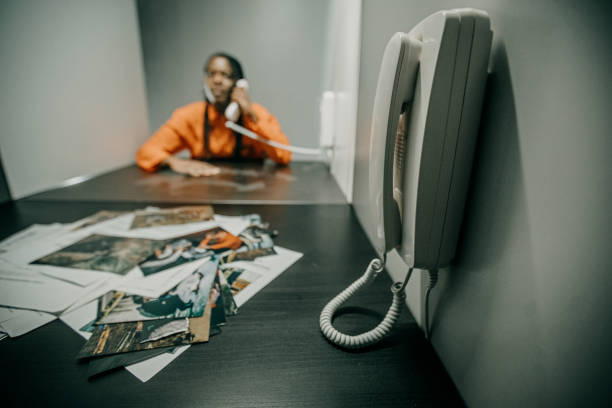
Maintaining regular contact with an incarcerated family member or friend provides vital emotional support during a sentence. Strong social connections reduce stress inside living units and improve long-term rehabilitation outcomes. Today, phone calls, digital messaging apps, and video visitation tools allow families to bridge the physical distance easier than ever before. However, navigating telecom vendors, payment accounts, call rules, and security guidelines often feels overwhelming for loved ones on the outside.
Correctional telecom systems operate differently from standard commercial phone networks. Private vendors manage correctional communications under strict state and federal regulations. Learning how to navigate call setups, manage account fees, and follow security protocols ensures your phone calls and messages connect without frustrating interruptions.
Navigating Prison Telecommunication Vendors
Private telecom companies manage telephone systems and electronic messaging services across state and federal facilities. A single prison system usually contracts with one primary provider to manage all inmate communications. Understanding which vendor operates inside your loved one's facility represents the first critical step toward establishing reliable contact.
Different telecommunication vendors provide distinct services, user portals, mobile apps, and payment structures. The table below outlines major telecom providers alongside their core offerings across correctional facilities.
Telecom Provider | Core Services Provided | Primary User Channels |
|---|---|---|
GTL (ViaPath Technologies) | Prepaid calls, tablet messaging, video visits | Web portal, mobile app, phone IVR |
Securus Technologies | AdvancePay accounts, eMessaging, video connect | Online account, mobile app |
ICSolutions | Prepaid collect accounts, voicemails, photo sharing | Web portal, phone support |
City TeleCoin | Direct dial phone calls, kiosk messaging | Web portal, localized support |
To get started, create a user profile on the vendor's official website or mobile application. You must verify your phone number and identity before accepting calls or sending digital messages. Setting up your user account properly prevents immediate call blocks and processing delays.

Setting Up Prepaid Phone Accounts
Inmates cannot use standard mobile plans or personal landlines to make outgoing calls. Instead, calls require funded phone accounts set up through the designated telecom vendor. Setting up a prepaid advance account on the outside ensures you can accept incoming calls instantly when your loved one dials your number.
Prepaid phone accounts allow you to deposit funds directly linked to your personal phone number. Every time the incarcerated caller phones your number, the system deducts call charges from your account balance. The list below highlights essential tips for setting up and managing your prepaid phone account:
- Register your phone number under your exact legal name and physical address.
- Choose a prepaid advance option to control monthly communication spending.
- Enable automated balance alerts to avoid unexpected account depletion during calls.
- Save your vendor account login details for fast online deposits.
- Verify that your cell phone carrier permits incoming collect calls.
If your account balance drops to zero, the system blocks incoming calls automatically. Keeping a small balance in your prepaid account guarantees that you never miss an urgent call from inside the facility.
Understanding Inmate PIN Debit Accounts
In addition to recipient-funded accounts, prisons offer inmate PIN debit accounts. A PIN debit account belongs directly to the incarcerated individual and allows them to purchase phone minutes using their commissary funds. With PIN debit, the inmate pays for the phone call directly, allowing them to call any pre-approved phone number on their contact list.
Family members can deposit money directly into an inmate's PIN debit account through the prison commissary portal or vendor website. Depositing funds into a PIN debit account gives your loved one greater independence to manage their communication needs.
PIN debit funds stay attached to the inmate's profile even if they move to a different housing block. However, if the inmate transfers to an entirely different state facility using a different vendor, moving unused PIN funds requires administrative account transfers.
Mandatory Approved Calling Lists
Prisons do not allow open dialing to any outside phone number. Incarcerated individuals must submit an official contact list containing phone numbers, names, and addresses to facility administrators. Staff review and approve these contact lists before the system permits outgoing calls to those specific numbers.
| Facility System | Calling List Capacity | Phone List Modification Rules |
| Federal Bureau of Prisons (BOP) | Up to 30 approved numbers | Updated monthly or quarterly upon request |
| State Prison Systems | Typically 10 to 20 numbers | Revised during designated request windows |
| County Jails | 5 to 10 numbers or open dialing | Updated via kiosk requests or counselor forms |
Adding new phone numbers to an approved calling list can take anywhere from a few days to several weeks, depending on facility processing speeds. Facilities enforce strict limits on how many phone numbers an inmate can maintain on their active list.If your phone number changes, inform your incarcerated loved one immediately. They must submit a formal request form to update their approved phone list with your new number. Trying to bypass approved calling lists using call forwarding or three-way dialing leads to severe phone privilege suspensions.

Rules and Guidelines for Prison Phone Calls
Every prison phone call operates under strict institutional security guidelines. System automated voices monitor and record all general phone calls to ensure facility safety. Knowing what to expect during a call helps prevent accidental disconnects or disciplinary write-ups.
At the beginning of every call, an automated message informs both parties that the call originates from a correctional facility and remains subject to monitoring and recording. To keep calls connecting smoothly, follow these core phone guidelines:
- Speak clearly and maintain calm, constructive conversation topics throughout the call.
- Never attempt three-way calling, call forwarding, or speakerphone bridge calls.
- Avoid using call waiting features, as clicking noises trigger automated call disconnects.
- Do not discuss ongoing criminal cases, active illegal activity, or institutional security operations.
System security software monitors phone lines for unusual audio interruptions. If the automated system detects a third party joining the line or a call transfer, it terminates the call instantly. Refrain from transferring calls or patching in other family members on cell phones.
Federal and State Phone Rate Regulations
For years, high prison call rates placed heavy financial burdens on families seeking to stay connected. Fortunately, federal regulatory actions and state legislative changes have reduced phone call costs significantly across state and federal facilities.
The Federal Communications Commission enforces strict rate caps on interstate calls made from correctional facilities. Many states have passed laws eliminating phone fees entirely or capping local call rates at a few cents per minute. The table below illustrates standard fee structures under modern telecom regulations.
Call Type | Regulated Rate Standard | Additional Fee Restrictions |
Interstate Calls | Capped per-minute federal rates | Banned hidden connection and setup fees |
Intrastate Calls | State-mandated per-minute caps | Limits on automated deposit processing fees |
International Calls | Regulated international caps | Clear upfront per-minute pricing disclosure |
Despite rate caps, payment processing fees for account deposits can still add extra costs. To minimize processing fees, deposit larger lump sums less frequently rather than making small, frequent deposits. Always review your vendor monthly statements to spot unexpected charges quickly.
Electronic Messaging and Tablet Services
Modern prisons increasingly provide secure electronic messaging systems using specialized inmate tablets or wall-mounted kiosks. Electronic messaging functions similarly to standard email, allowing families to exchange written notes, photos, and short updates quickly.
Users send digital messages through the telecom vendor's web portal or mobile application. Each message requires a digital stamp or small transaction fee to process and send. The list below highlights key features of prison electronic messaging services:
- Fast delivery times compared to traditional paper postal mail.
- Convenient mobile app access for writing and receiving messages on smartphones.
- Ability to attach digital photos, e-cards, and short text updates.
- Automated keyword screening ensuring rapid security clearance.
Digital messaging operates as a secure, monitored communication channel. Staff review all outgoing and incoming messages before releasing them to inmate tablet screens. Avoid using coded language or inappropriate content in digital messages to guarantee reliable delivery.
Video Visitation Rules and Best Practices
Video visitation allows families to see and speak with incarcerated loved ones face-to-face without traveling long distances to the physical facility. Video visits take place using home computers, tablet apps, or specialized kiosks located inside facility visiting rooms.
Scheduling a video visit requires registering approved users on the vendor platform in advance. You must schedule video sessions at least twenty-four to forty-eight hours before the desired appointment time. Follow these essential best practices to ensure a successful video visitation session:
- Test your webcam, microphone, and internet connection speed before the session starts.
- Join the video call five to ten minutes early to complete system check-ins.
- Dress appropriately in modest attire following standard physical visitation dress codes.
- Ensure your background environment remains quiet, well-lit, and free of distractions.
Treat video visits with the same level of respect as physical visits inside the prison facility. Showing unapproved guests, wearing inappropriate clothing, or driving while on a video visit results in immediate session termination and temporary video visit suspensions.
Managing Financial Accounts and Deposit Fees
Staying connected requires careful financial planning to keep phone, messaging, and video accounts properly funded. Telecommunication vendors offer multiple deposit methods, each featuring different processing fees and processing times.
Online deposits using vendor websites or mobile applications offer the fastest, most convenient way to add funds. The table below compares common deposit channels based on speed and relative fee costs.
Deposit Method | Processing Speed | Fee Level |
Vendor Mobile App / Website | Instant availability | Moderate processing fees |
Automated Phone (IVR) | Instant availability | Standard processing fees |
Lobby Payment Kiosks | Immediate availability | Varies (cash vs. credit card) |
Mail-In Money Orders | 3 to 7 business days | Free or low-cost processing |
To lower your communication expenses, check if your facility allows mail-in money order deposits for inmate PIN debit accounts. While mailing a money order takes longer to clear, it often bypasses credit card transaction fees entirely. Plan deposits ahead to balance cost savings with funding speed.
Security Restrictions and Monitoring Protocols
Maintaining facility safety remains the top priority for correctional administrators. Security teams monitor live calls, review recorded audio files, and analyze message logs using advanced software. Understanding security protocols helps you avoid accidental rule breaches.
Communications staff use automated voice recognition software to verify caller identities during phone calls. The system tracks call locations, phone numbers, and call duration patterns continuously. The list below outlines security practices enforced by prison telecommunications units:
- Speech analysis tools scanning for flagged words or security threats.
- Automated caller ID verification checking for unapproved phone numbers.
- Routine manual reviews of stored audio recordings and digital messages.
- Immediate call terminations upon detecting call waiting tones or extra voices.
Always remember that prison communications lack privacy, except for official, privileged attorney-client calls. Speak guardedly about personal affairs and never assist in relaying messages between different inmates. Following security rules protects your calling privileges and preserves your loved one's good behavior credits.

Overcoming Technical Phone and App Issues
Technical glitches, dropped calls, and app errors occur frequently when using prison telecommunications networks. Understanding how to troubleshoot basic connection problems saves time and prevents unnecessary frustration.
If incoming calls get blocked repeatedly, call your mobile cell phone carrier to verify that collect call blocks remain disabled on your account. Cell phone networks sometimes misidentify automated prison calls as spam or telemarketing attempts. Adding the facility phone vendor number to your phone contacts helps bypass automated call filters.
When mobile apps freeze or fail to deliver digital messages, update the app to the latest version or clear your app cache data. If technical issues persist, log into your account through a computer web browser instead. Keep detailed records of transaction reference numbers and report recurring technical glitches to customer support agents promptly.
Communicating During Facility Lockdowns
Correctional institutions initiate facility lockdowns during emergency situations, safety inspections, or severe understaffing periods. During a lockdown, administrators restrict inmate movements and disable living unit phone banks and kiosk terminals completely.
Inability to reach an incarcerated family member during a sudden lockdown causes significant anxiety for loved ones on the outside. Remember that phone and messaging blackouts remain standard procedure during institutional lockdowns to maintain security.
During extended lockdowns, electronic messaging systems may continue operating on inmate tablets even when phone banks remain closed. Send a brief, encouraging digital message to check if tablet services remain active. Stay patient and monitor official facility social media pages or departmental announcements for status updates regarding lifted restrictions.
Special Considerations for Legal Phone Calls
Incarcerated individuals have a legal right to confidential communications with their defense attorneys, public defenders, and legal representatives. Legal phone calls operate under strict constitutional protections that prohibit staff from monitoring or recording attorney-client conversations.
To secure confidential legal call status, defense attorneys must register their law firm phone numbers directly with the facility's legal department or telecom vendor. Unregistered attorney numbers get routed through standard monitored lines automatically.
Attorneys usually arrange scheduled legal calls through prison social workers or case managers. During official legal calls, inmates use designated private office phones rather than common housing unit phone banks. Verifying attorney registration guarantees that legal discussions stay confidential throughout court proceedings.
Building a Consistent Communication Schedule
Establishing a regular communication routine helps ease the emotional strain of separation for both inmates and outside family members. Setting predictable times for phone calls and video visits creates stability and something positive to look forward to each week.
Coordinate with your loved one to determine when housing unit phone banks stay open and least crowded. Phone lines face heavy usage during evenings and weekends. The list below offers helpful ideas for maintaining a strong communication routine:
- Schedule phone calls during off-peak morning or afternoon hours to avoid long lines at prison phones.
- Coordinate family members so multiple relatives can take calls on designated days.
- Plan digital messaging updates around weekly family events or school achievements.
- Set clear monthly budgets for phone and messaging expenses to ensure continuous funding.
Consistent, encouraging communication helps incarcerated individuals stay grounded and connected to family life. Maintaining positive conversations about future goals and family milestones supports successful community re-entry after release.
Conclusion
Staying connected with an incarcerated loved one through phone calls and messaging services requires patience, organization, and a clear understanding of telecom rules. Identifying the facility's designated vendor, setting up prepaid or PIN debit accounts, and following security protocols guarantees that your calls and messages connect smoothly. Respecting call limits, avoiding prohibited phone features like three-way calling, and establishing a regular communication routine preserves vital social ties. Maintaining strong family connections provides essential emotional support, boosts morale behind bars, and lays a solid foundation for successful rehabilitation and community reintegration.
Frequently Asked Questions
Why does my phone block incoming calls from the prison?
Cell phone carriers often place automatic spam blocks on unknown or collect call numbers. Contact your mobile provider to remove collect call blocks and add the prison vendor number to your accepted contacts.
What happens if I attempt a three-way call with an inmate?
The security system detects extra line clicks or additional voices and disconnects the call instantly. Repeat violations result in phone privilege suspensions and blocked phone numbers.
Can I send video messages to an inmate tablet?
Many telecom vendors allow users to attach short video clips to digital messages. Check your facility's specific vendor app to confirm whether video attachments are permitted.
How much do prison phone calls cost per minute?
Interstate calls are capped by federal regulations at low per-minute rates. Local intrastate rates vary by state, with several state prison systems offering free phone calls entirely.
What should I do if my prepaid account shows incorrect charges?
Log into your online vendor portal to review call logs and transaction receipts. Contact vendor customer support directly with your account details to dispute incorrect charges.
How long does it take for a digital message to arrive?
Digital messages usually arrive within a few hours after clearing security screening. Messages containing attached photos or sent during weekends may take up to twenty-four hours to process.
Can an inmate call me if I am driving?
Yes, but background vehicle noise or hands-free Bluetooth audio connections may trigger automated security system disconnects. Pull over to a quiet location for the best call stability.
What is the difference between PIN debit and prepaid phone accounts?
Prepaid accounts belong to outside recipients and pay for calls to a specific phone number. PIN debit accounts belong to the inmate and use commissary funds to call any approved number.
Legal information
Related Articles
More from the blog
Published articles selected by matching category, then the latest published.
 Mail & PhoneWhat to Do If Prison Mail or Phone Privileges Are RestrictedA complete guide explaining what to do if prison mail or phone privileges are restricted. Learn how to troubleshoot account errors, file grievances, appeal mail rejections, and protect legal rights.
 Mail & PhoneUnderstanding Prison Mail Rules and RegulationsA complete guide to understanding prison mail rules and regulations. Learn addressing formats, photo limits, book rules, and legal mail protections for state and federal facilities.
 Mail & PhoneEmail, Mail, and Digital Communication Systems in PrisonsReason: The article focuses on inmate communication methods, including traditional mail, email services, electronic messaging, and digital communication systems. These topics fit directly under Mail & Phone.
Find forms, resources and support
Explore court-ready forms, the resource directory, or contact us for help with a similar issue.